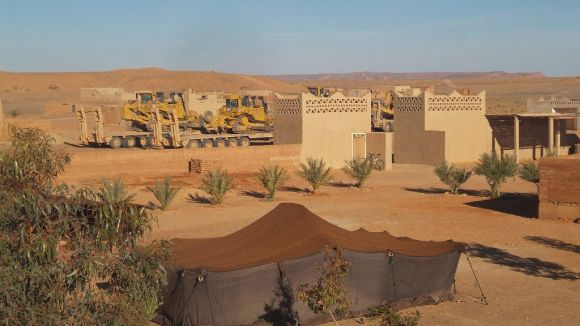
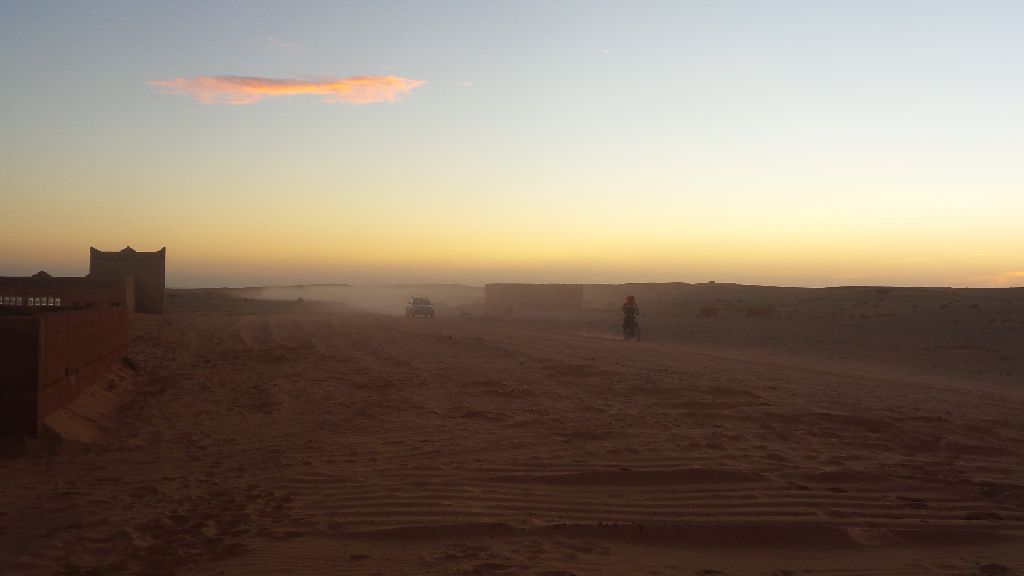
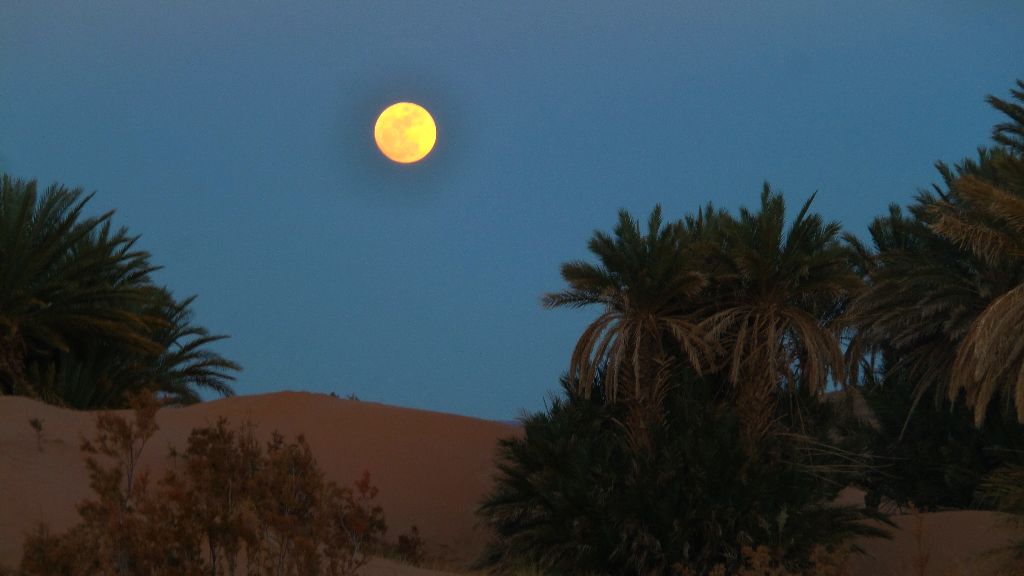
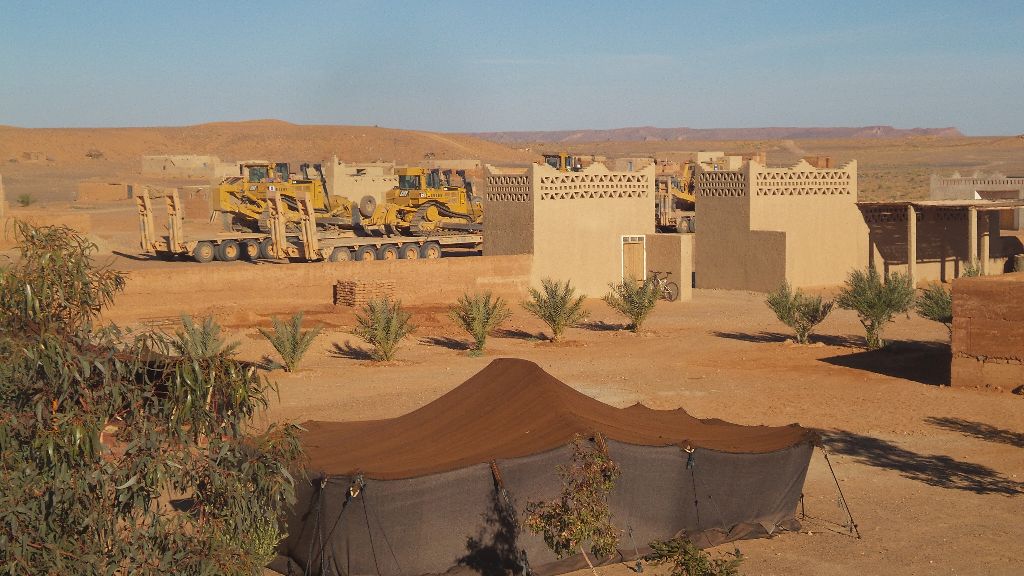
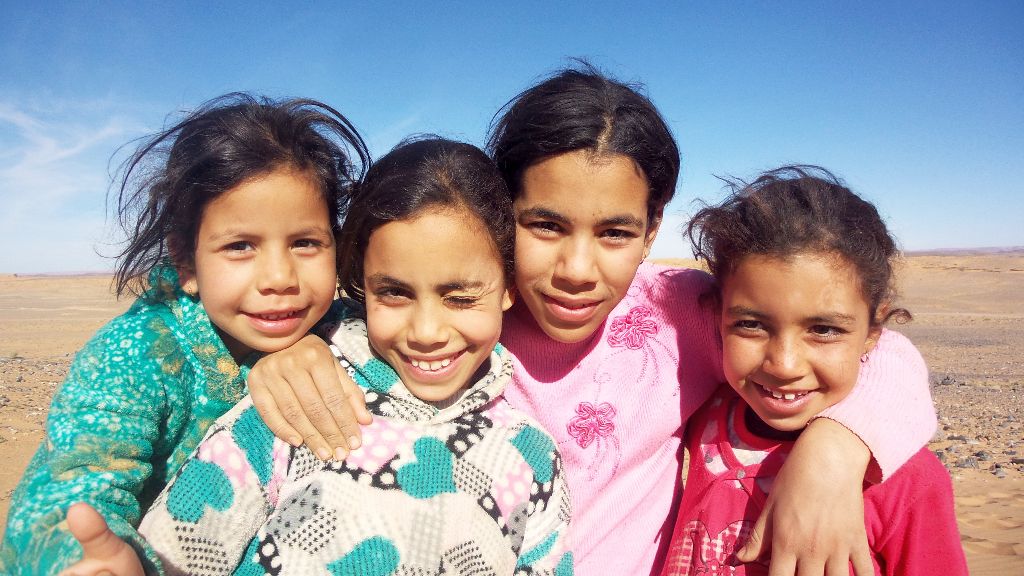
Tissardmine is situated on the edge of the Sahara Desert in Morocco, about 40 km from Rissani.
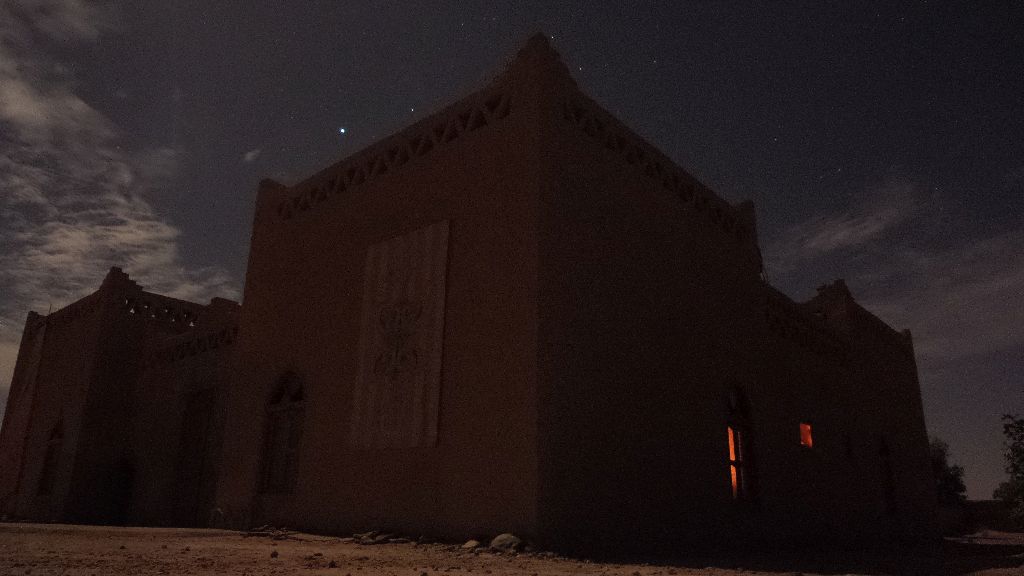
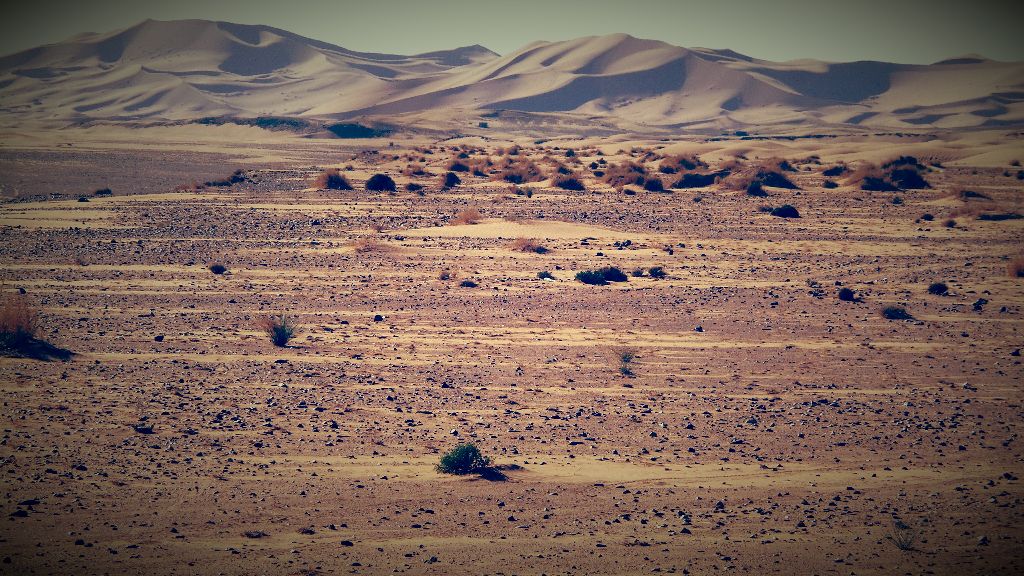
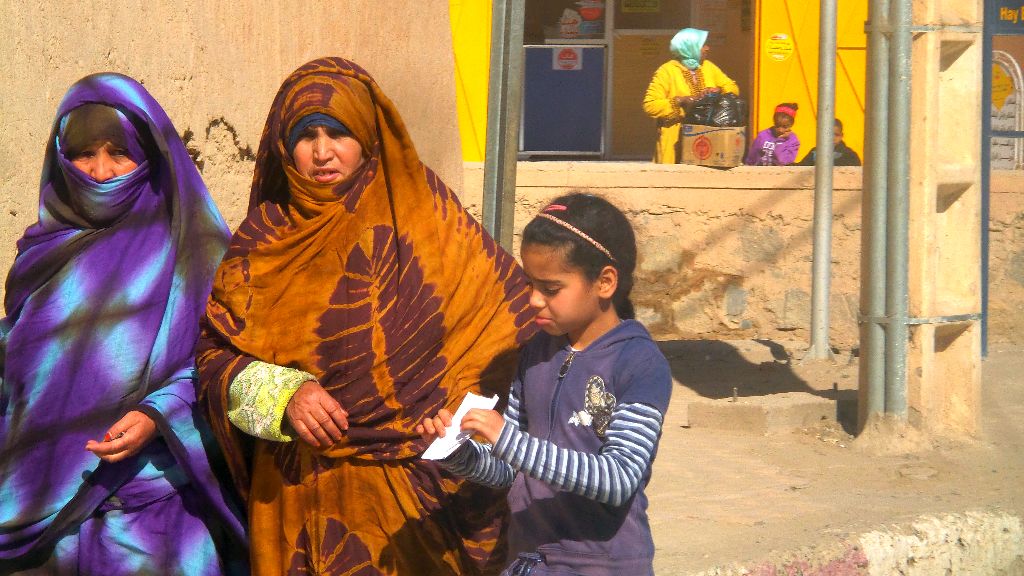
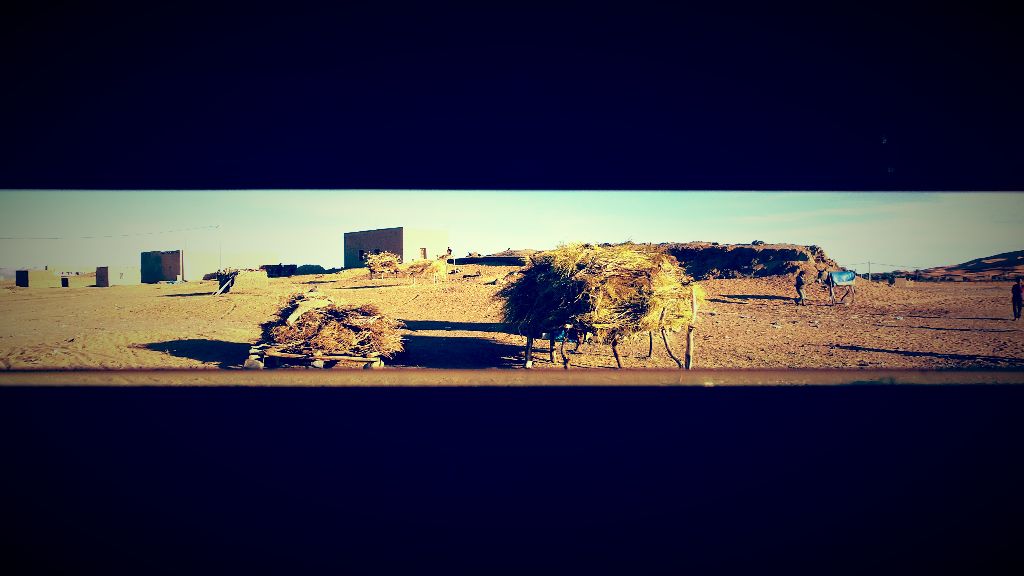
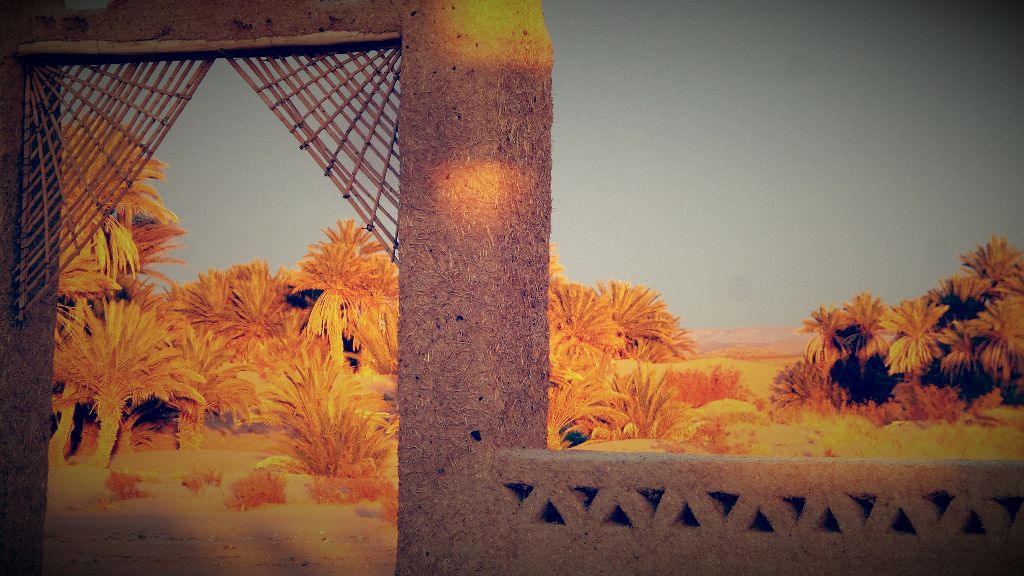
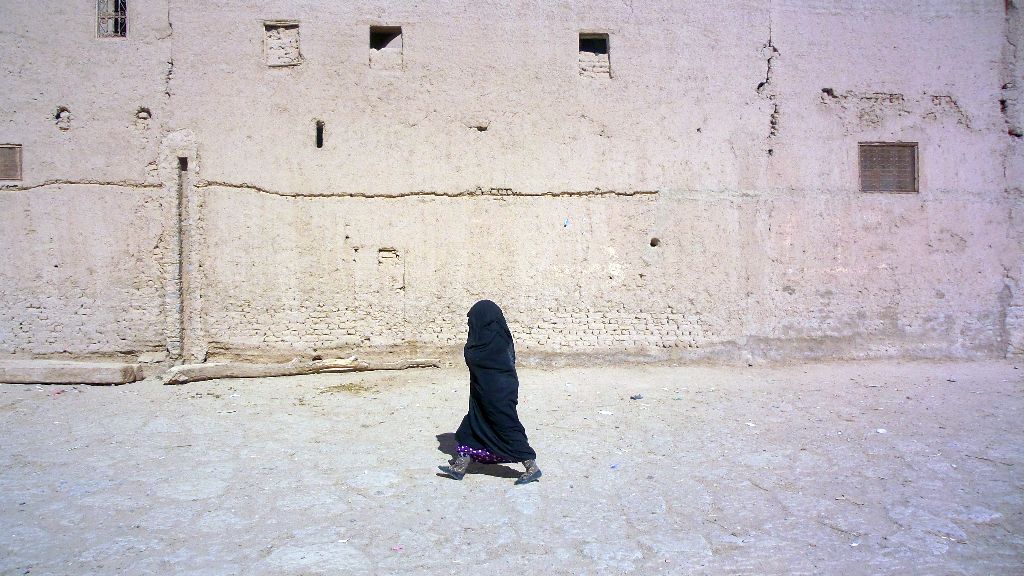
Itis a small Berber village, with a few families living there. There is a school, a graveyard, a mosque and adobe houses. A small oasis is nearby and a military base, the last one before the Algerian border. It is far from everything. During the day it is possible to see on the horizon
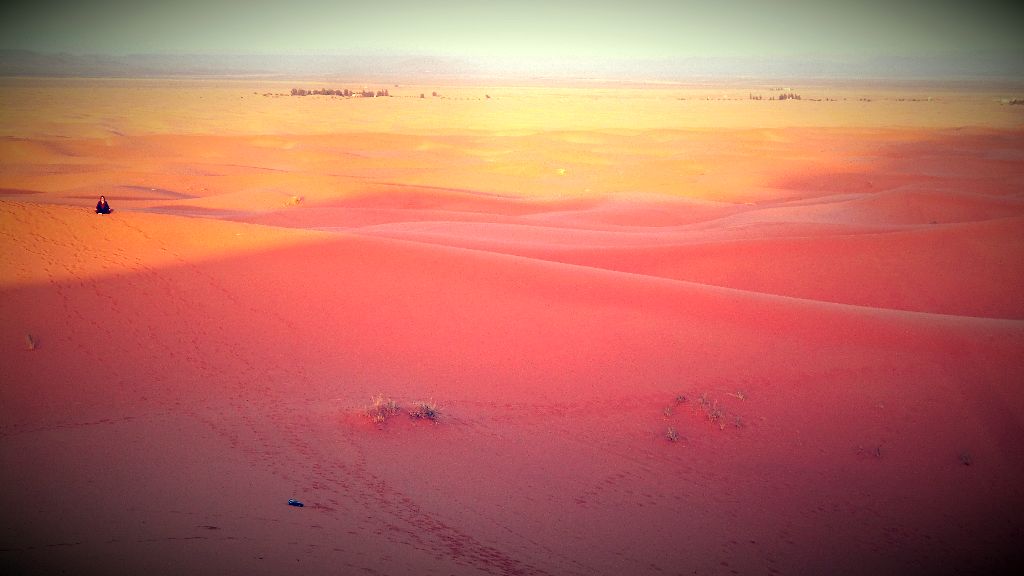
Erg Chebbi, one of the biggest dunes in Morocco. It is not so far from the village, maybe 8 km. You could walk there, but you never would. It is too hot. It is possible to take a walk before noon or just before sunset.
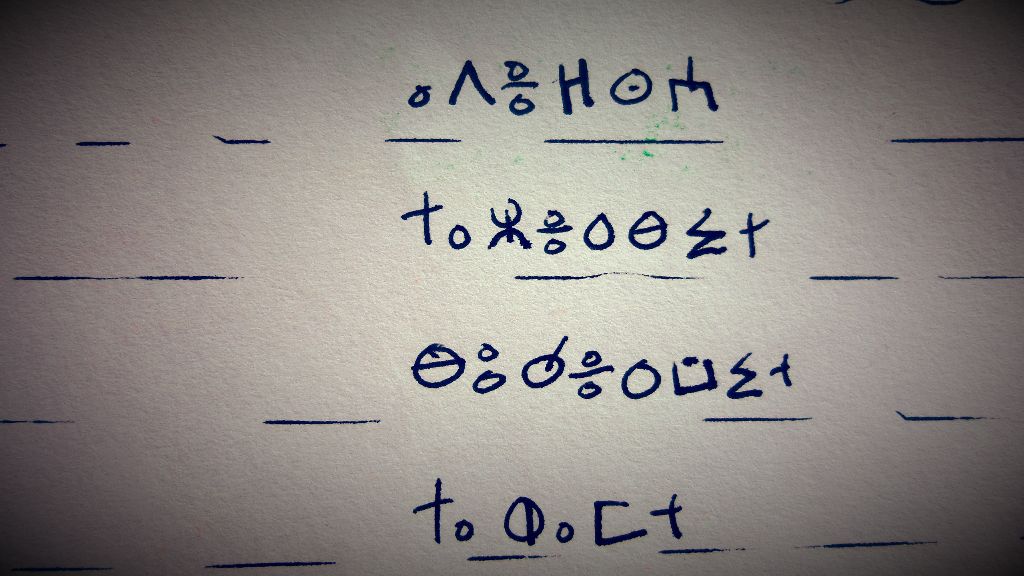
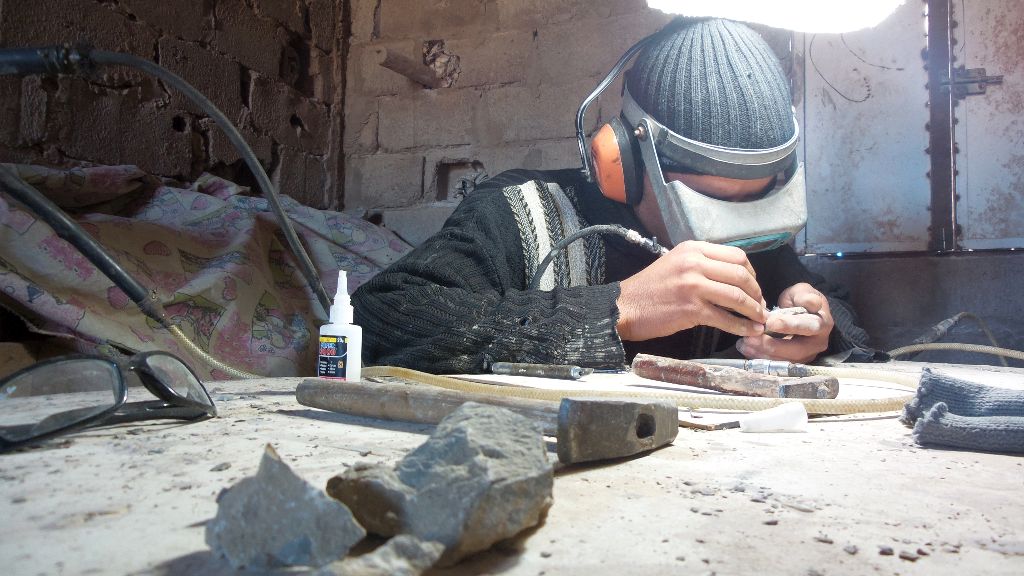
During my residency I learnt about the fascinating geology of this place, with huge deposits of fossils. I learnt about Berber culture, their customs and history, but above all I learnt about the silence of the desert. The purest silence I had ever heard.
Here is what Paul Bowles wrote about this:
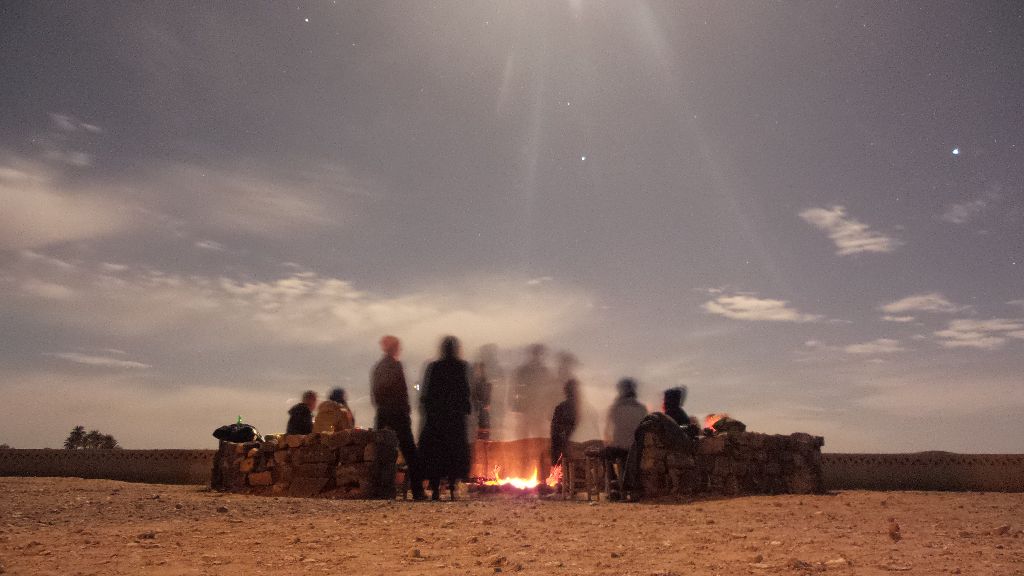
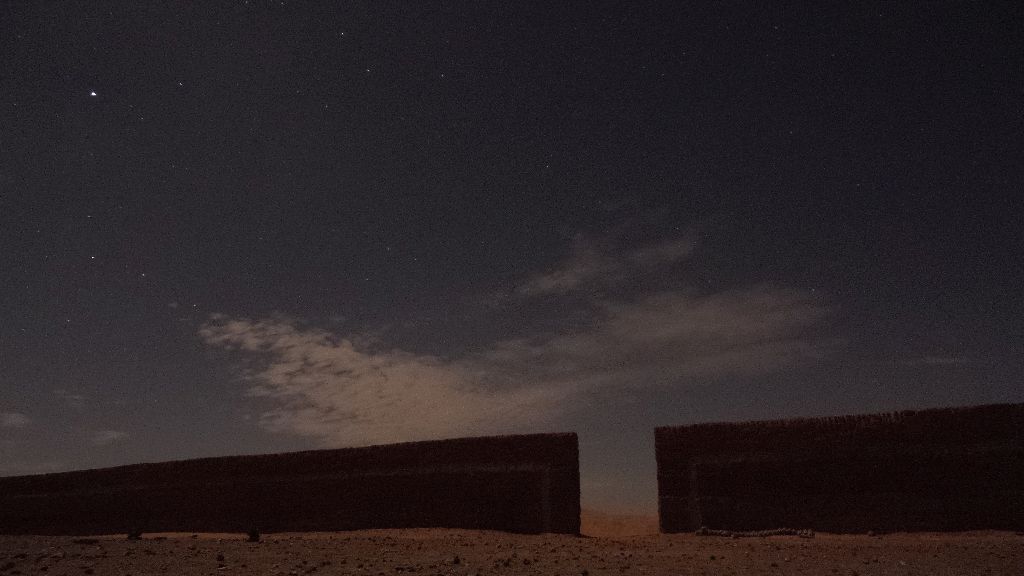
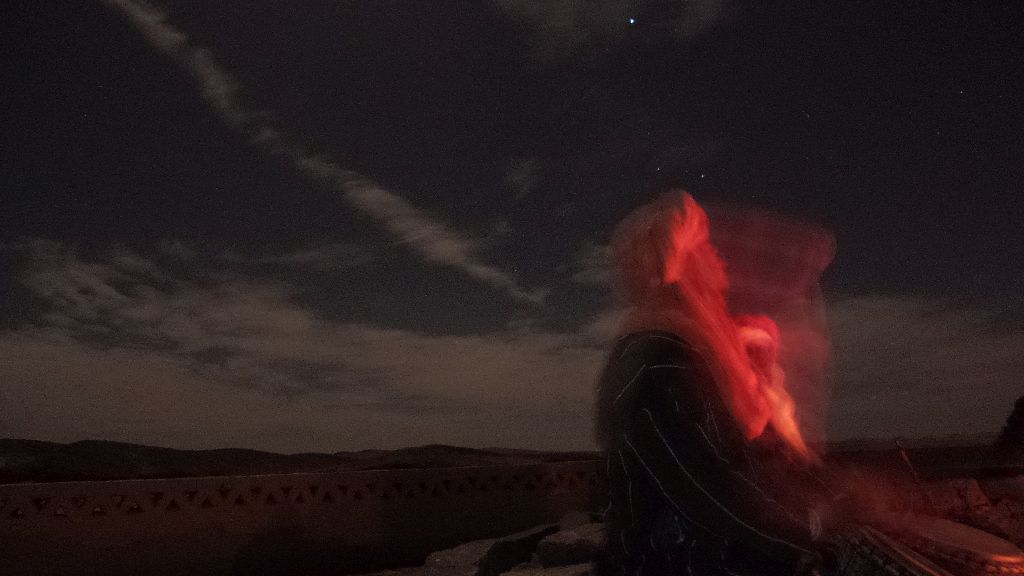
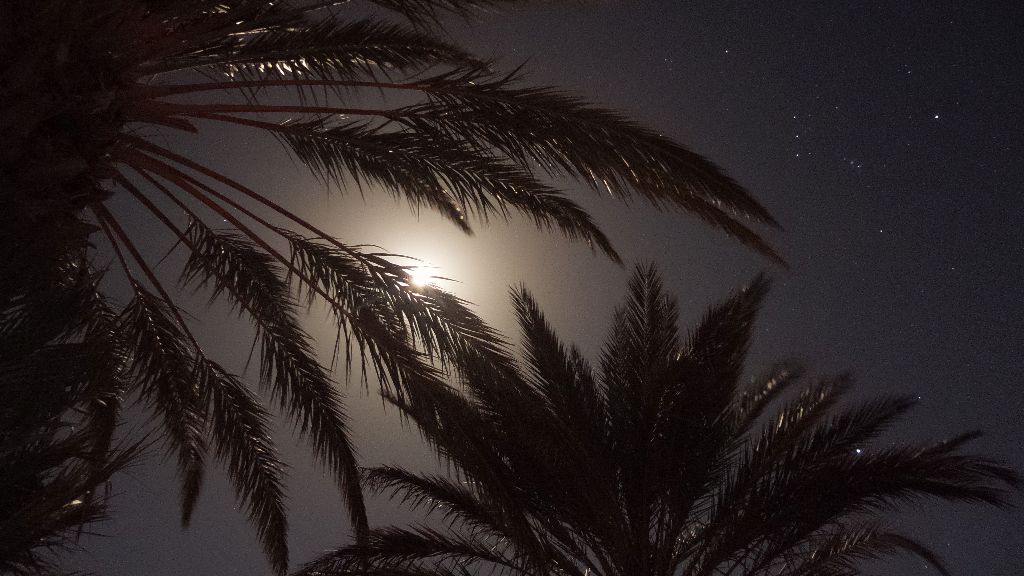
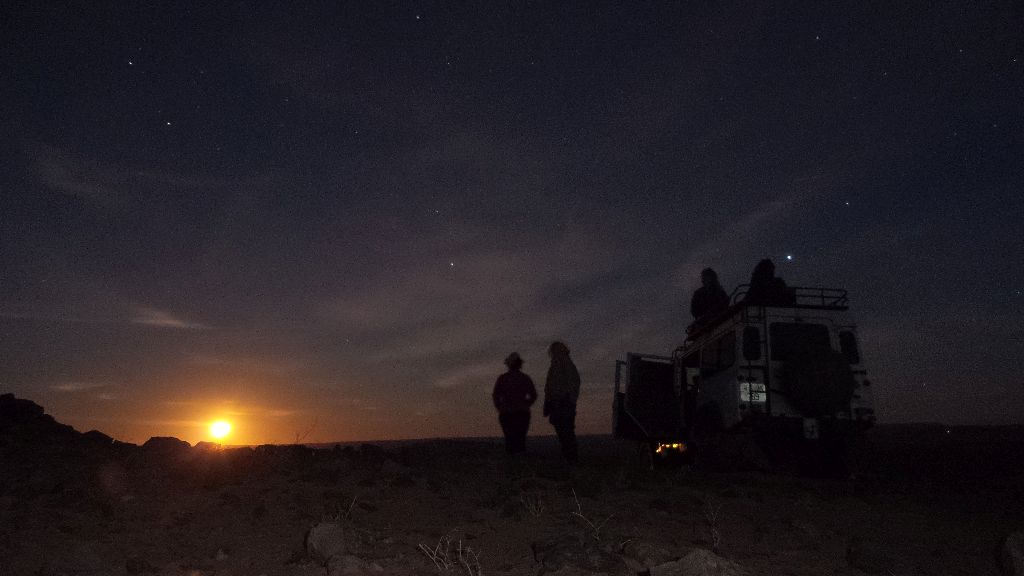
“Immediately when you arrive in Sahara, for the first or the tenth time, you notice the stillness. An incredible, absolute silence prevails outside the towns; and within, even in busy places like the markets, there is a hushed quality in the air, as if the quiet were a conscious force which, resenting the intrusion of sound, minimizes and disperses sound straightaway. Then there is the sky, compared to which all other skies seem fainthearted efforts. Solid and luminous, it is always the focal point of the landscape. At sunset, the precise, curved shadow of the earth rises into it swiftly from the horizon, cutting into light section and dark section. When all daylight is gone, and the space is thick with stars, it is still of an intense and burning blue, darkest directly overhead and paling toward the earth, so that the night never really goes dark.
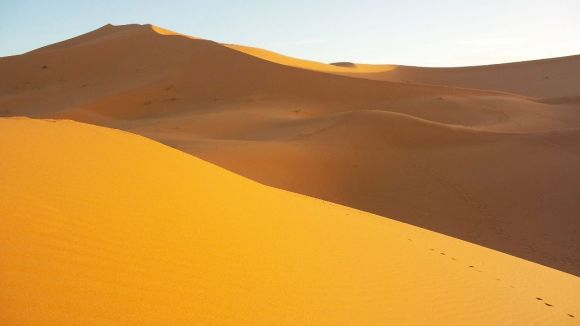
You leave the gate of the fort or town behind, pass the camels lying outside, go up into the dunes, or out onto the hard, stony plain and stand awhile alone. Presently, you will either shiver and hurry back inside the walls, or you will go on standing there and let something very peculiar happen to you, something that everyone who lives there has undergone and which the French call ‘le baptême de solitude.’ It is a unique sensation, and it has nothing to do with loneliness, for loneliness presupposes memory. Here in this wholly mineral landscape lighted by stars like flares, even memory disappears…A strange, and by no means pleasant, process of reintegration begins inside you, and you have the choice of fighting against it, and insisting on remaining the person you have always been, or letting it take its course. For no one who has stayed in the Sahara for a while is quite the same as when he came.
…Perhaps the logical question to ask at this point is: Why go? The answer is that when a man has been there and undergone the baptism of solitude he can’t help himself. Once he has been under the spell of the vast luminous, silent country, no other place is quite strong enough for him, no other surroundings can provide the supremely satisfying sensation of existing in the midst of something that is absolute. He will go back, whatever the cost in time or money, for the absolute has no price.”

 Julia Popławska
You must be logged in to post a comment.