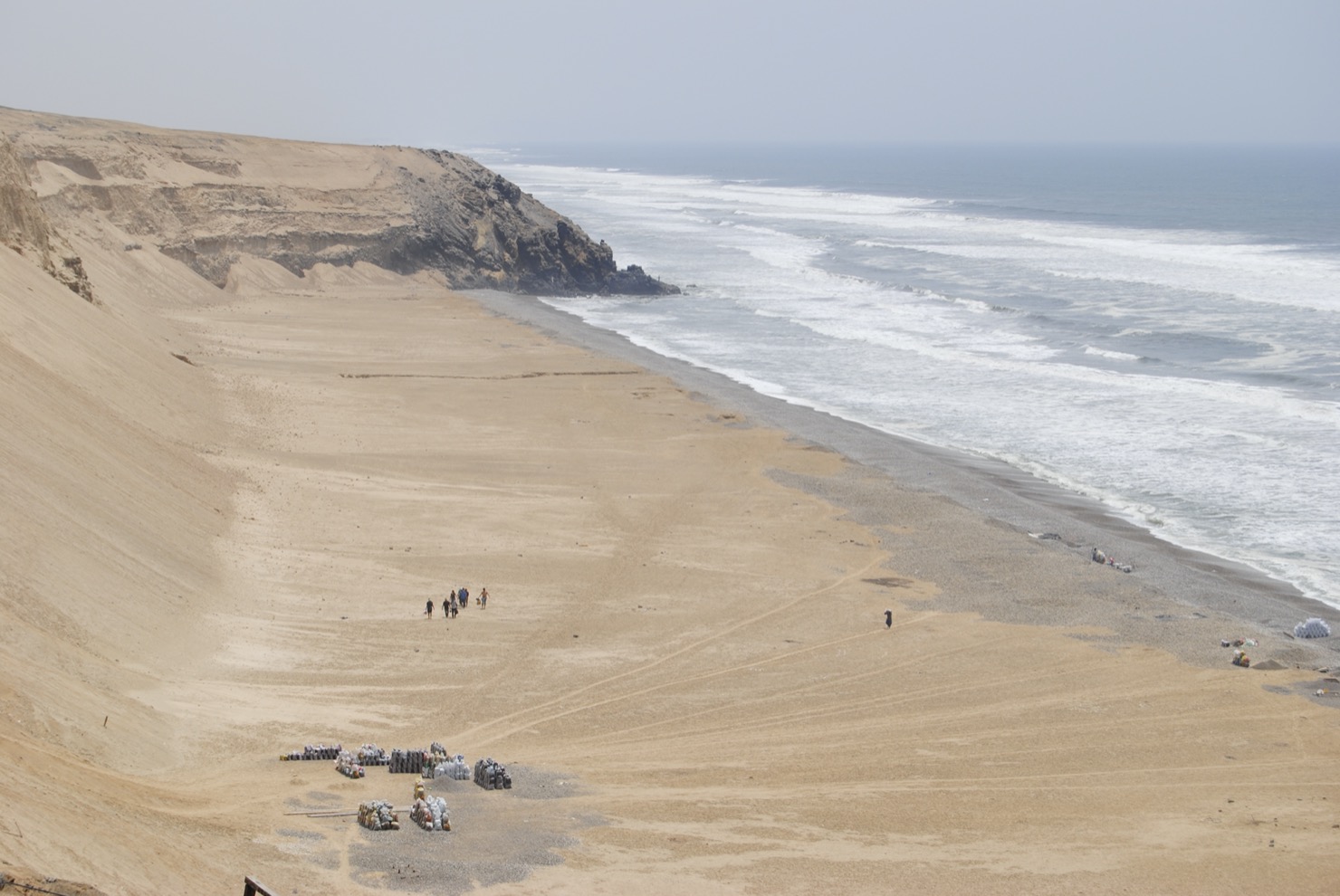
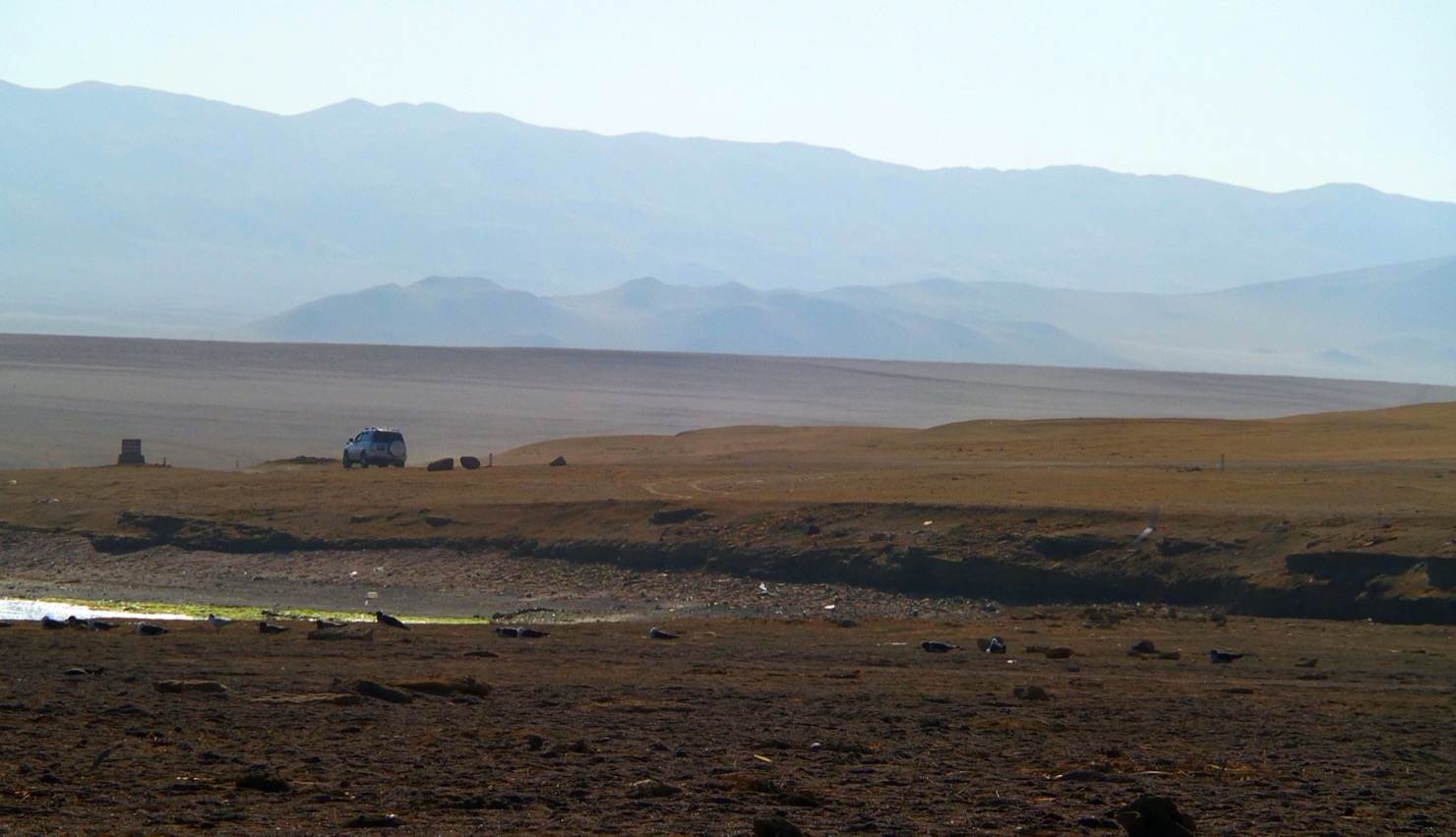
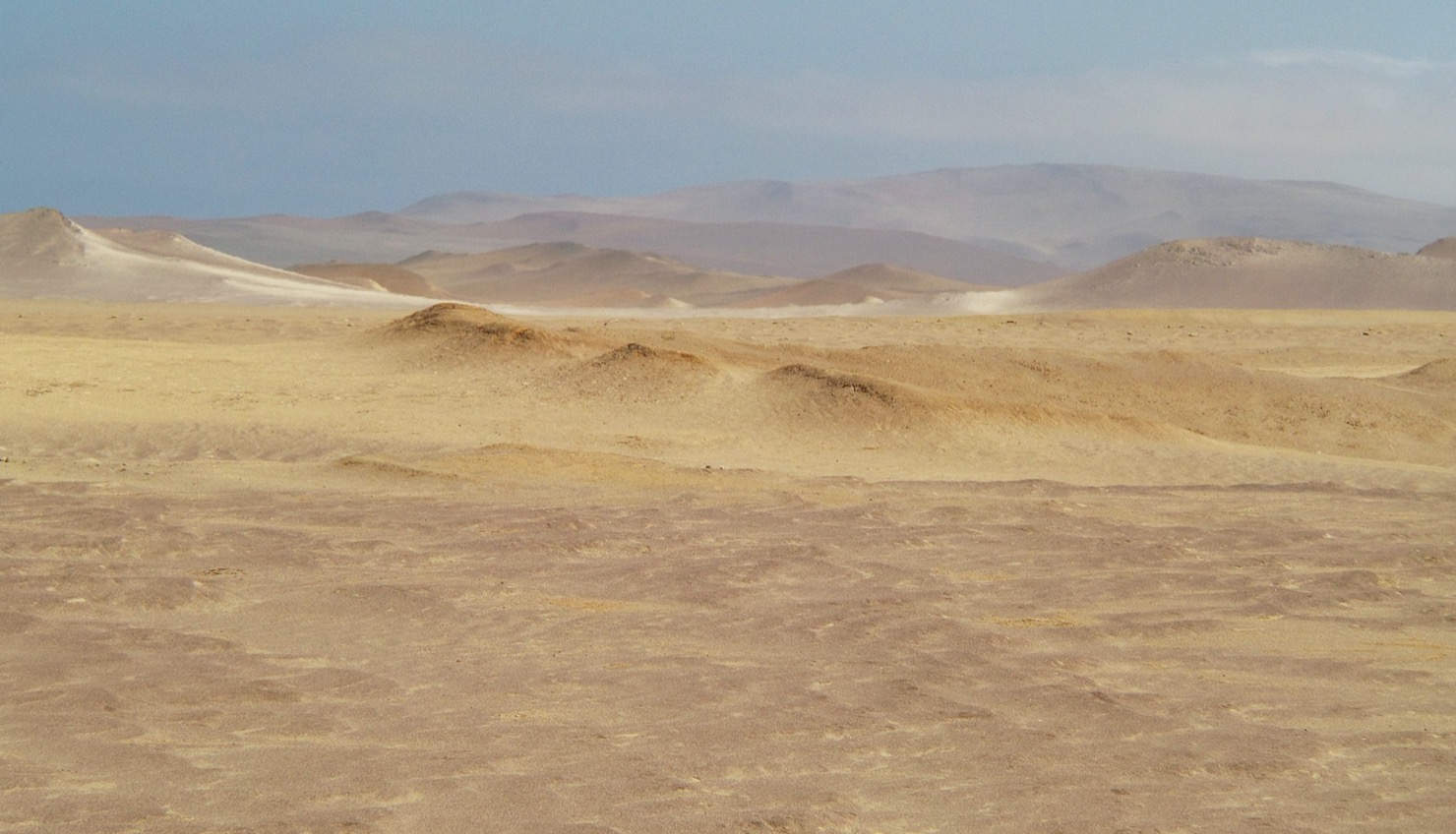
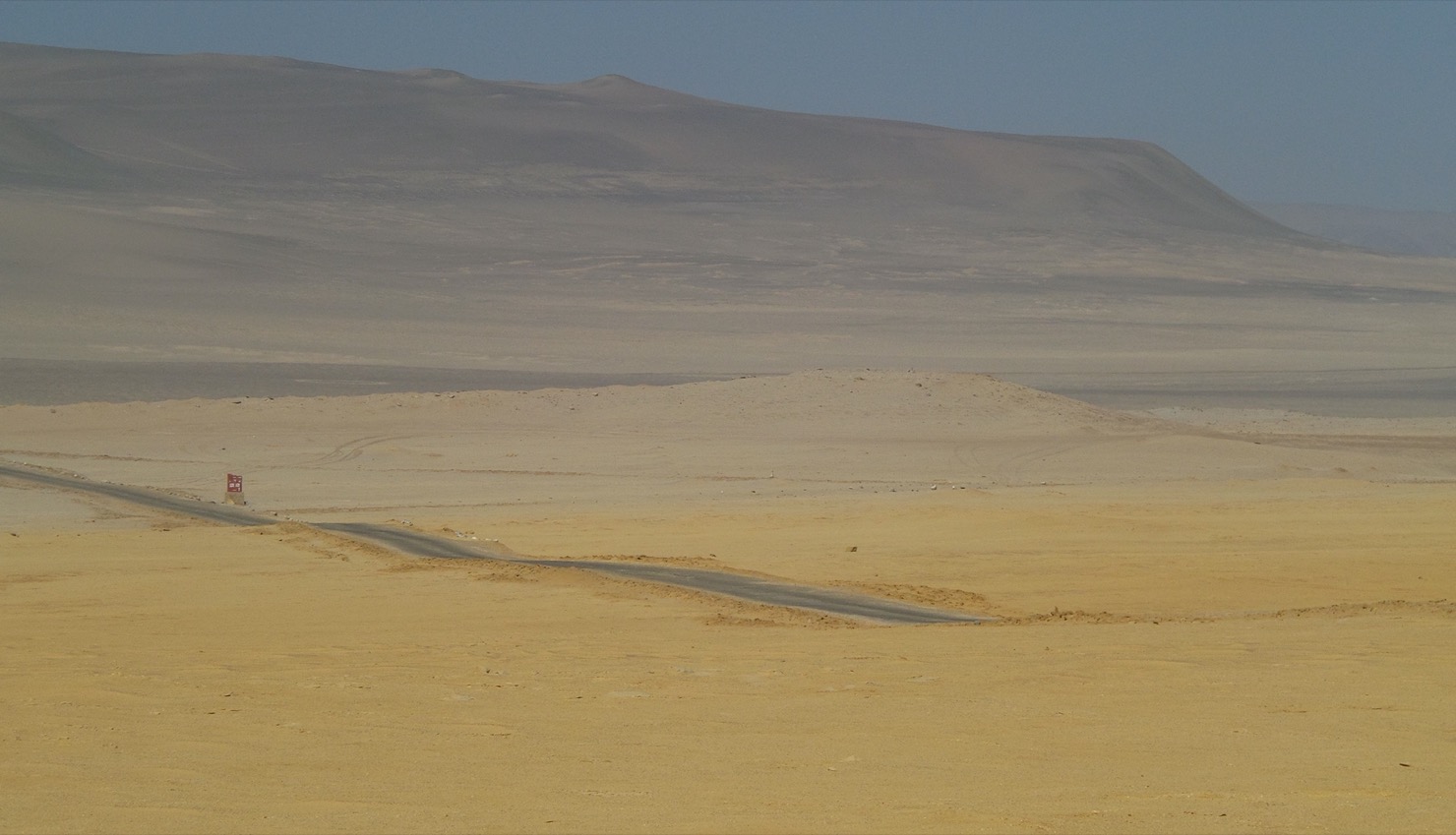
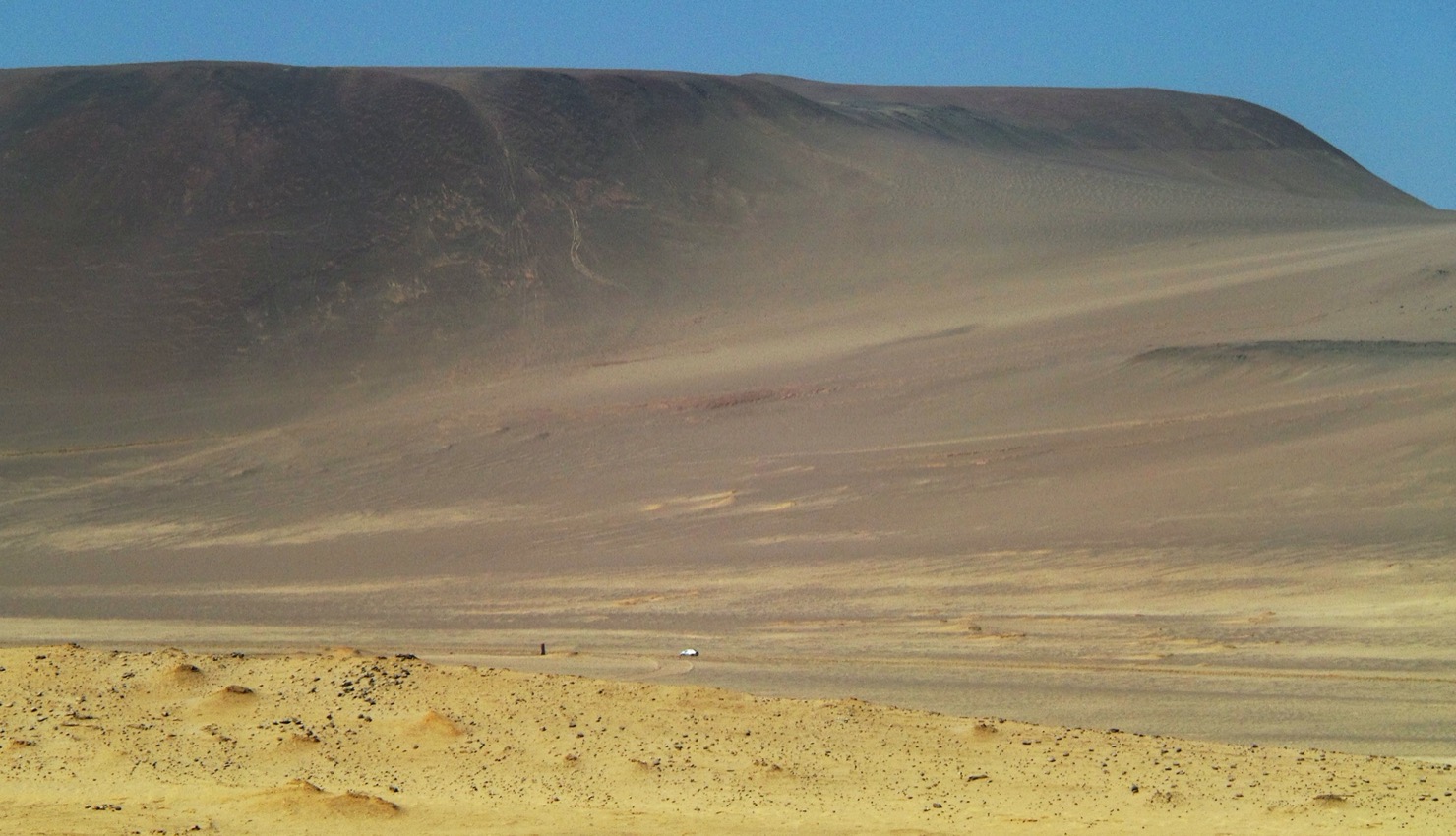
I was lucky to visit Peru three times. In Peru for the first time I experienced silence on the desert.
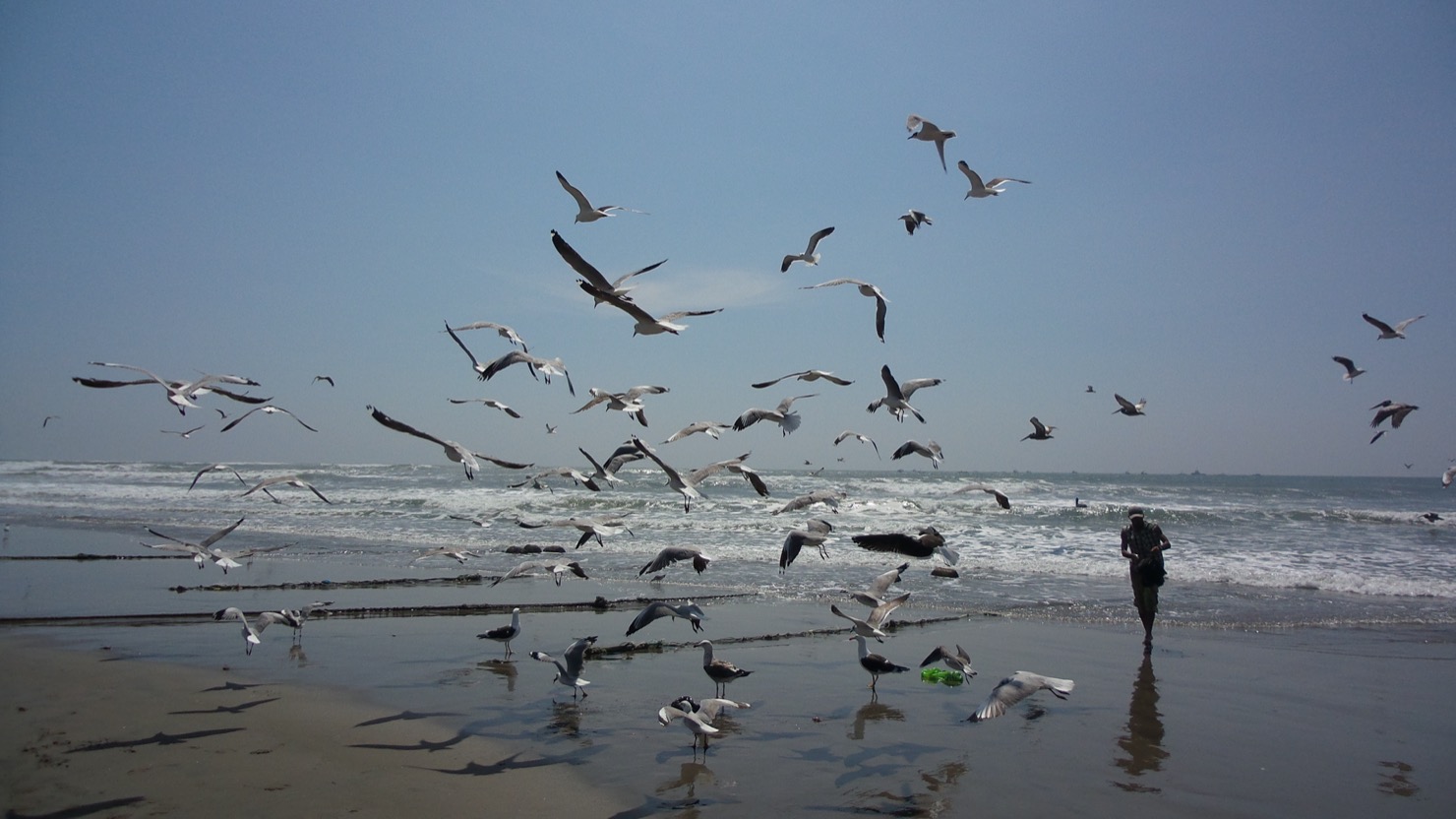
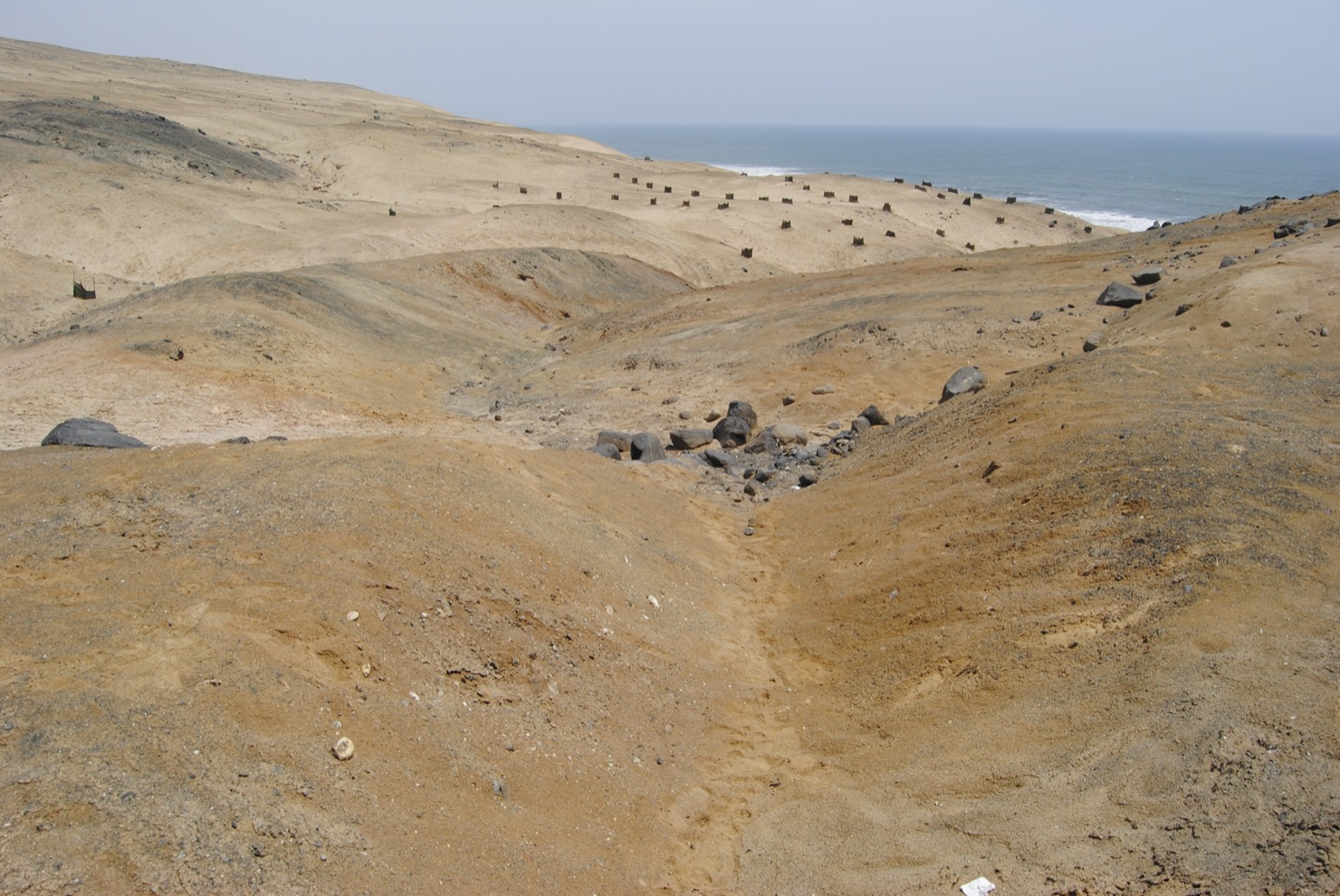
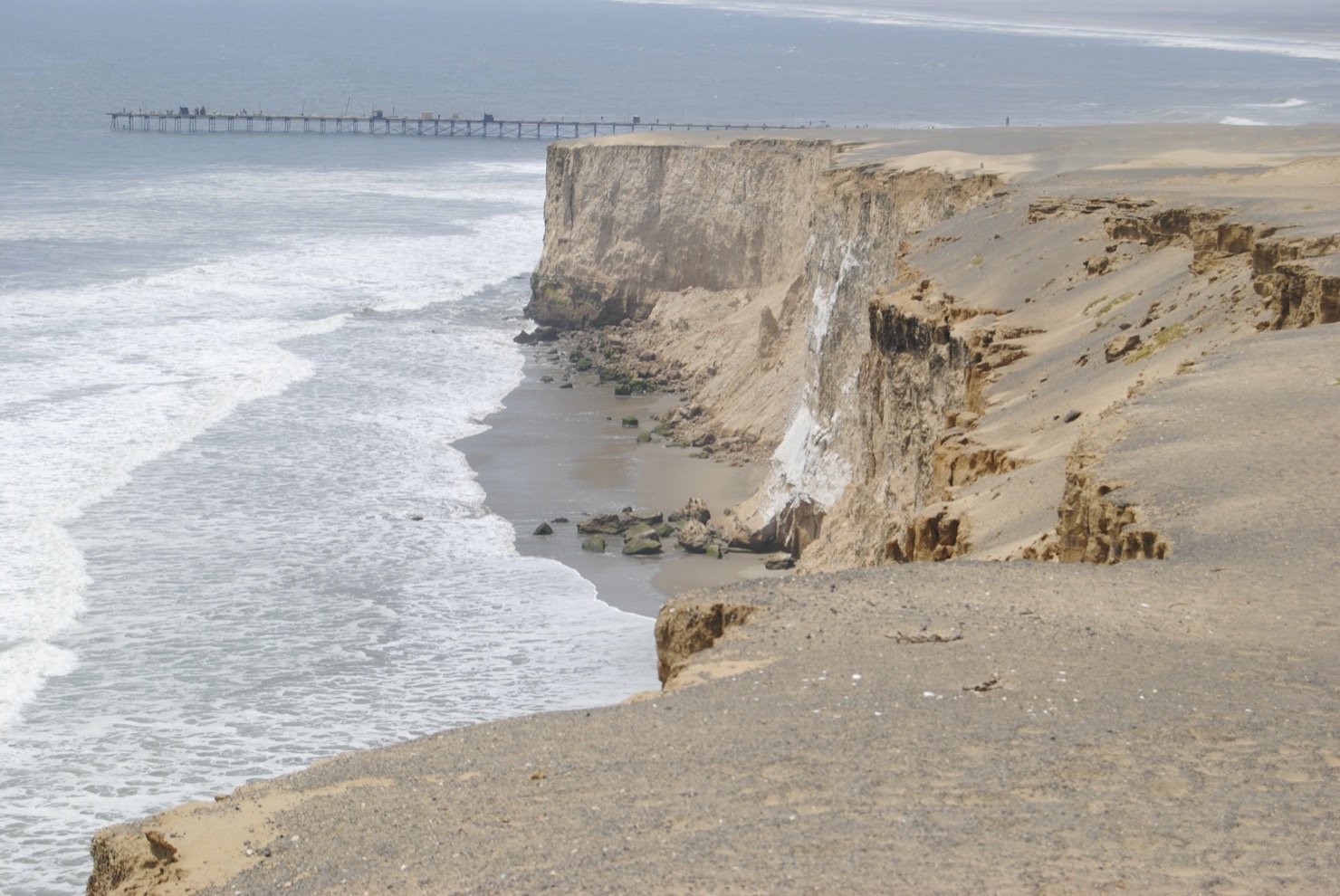
My first visit took me to northern Peru. The vast plains of Túcume are a part of the Lambayeque Valley, the largest valley of the northern coast of Peru. The Lambayeque Valley is the site of natural and man-made waterways and is also a region of about 250 decaying and heavily eroded mud-brick pyramids erected built by a pre-Inca civilization of Moche.
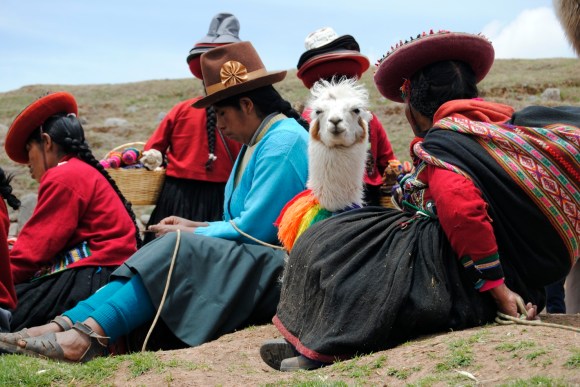
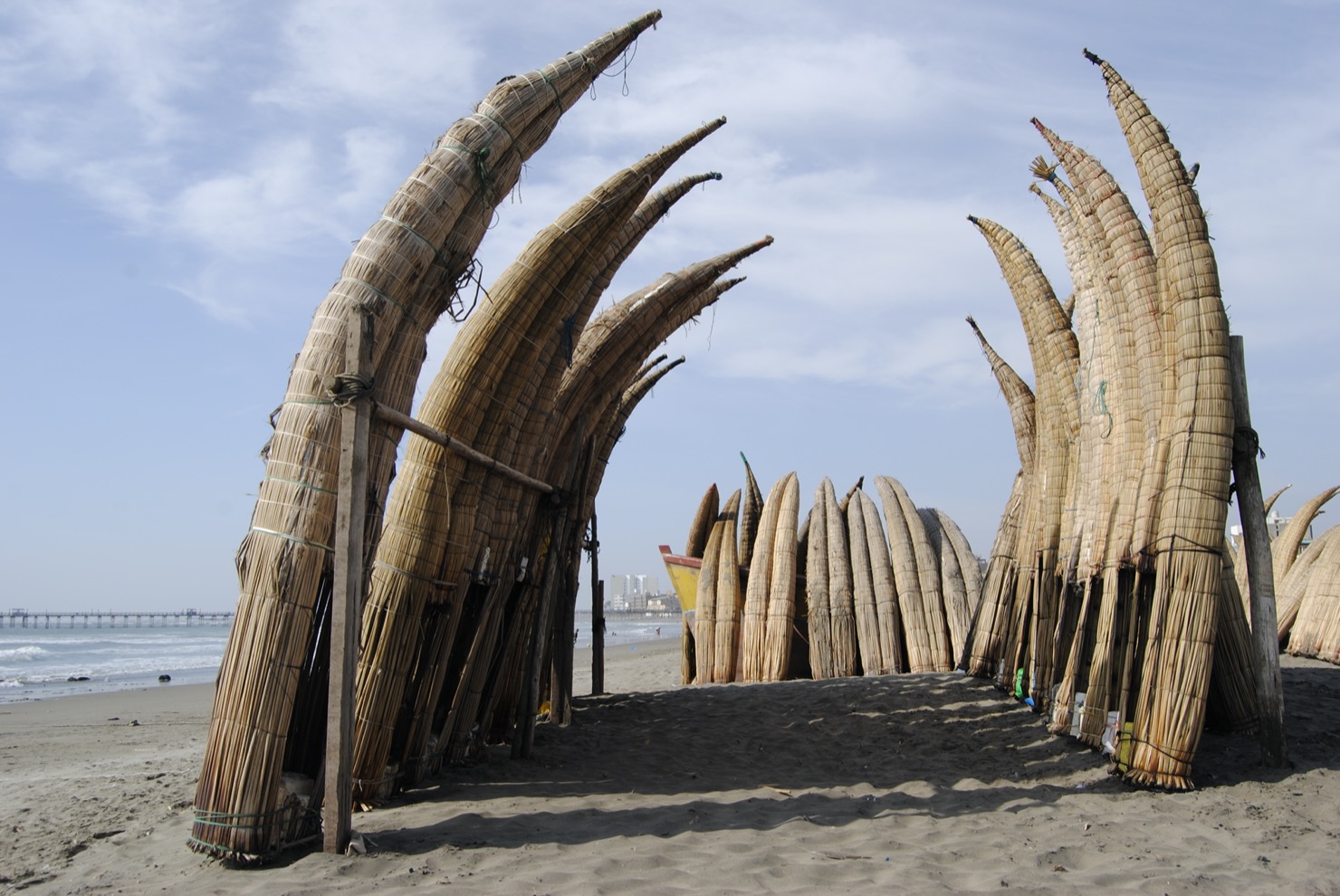
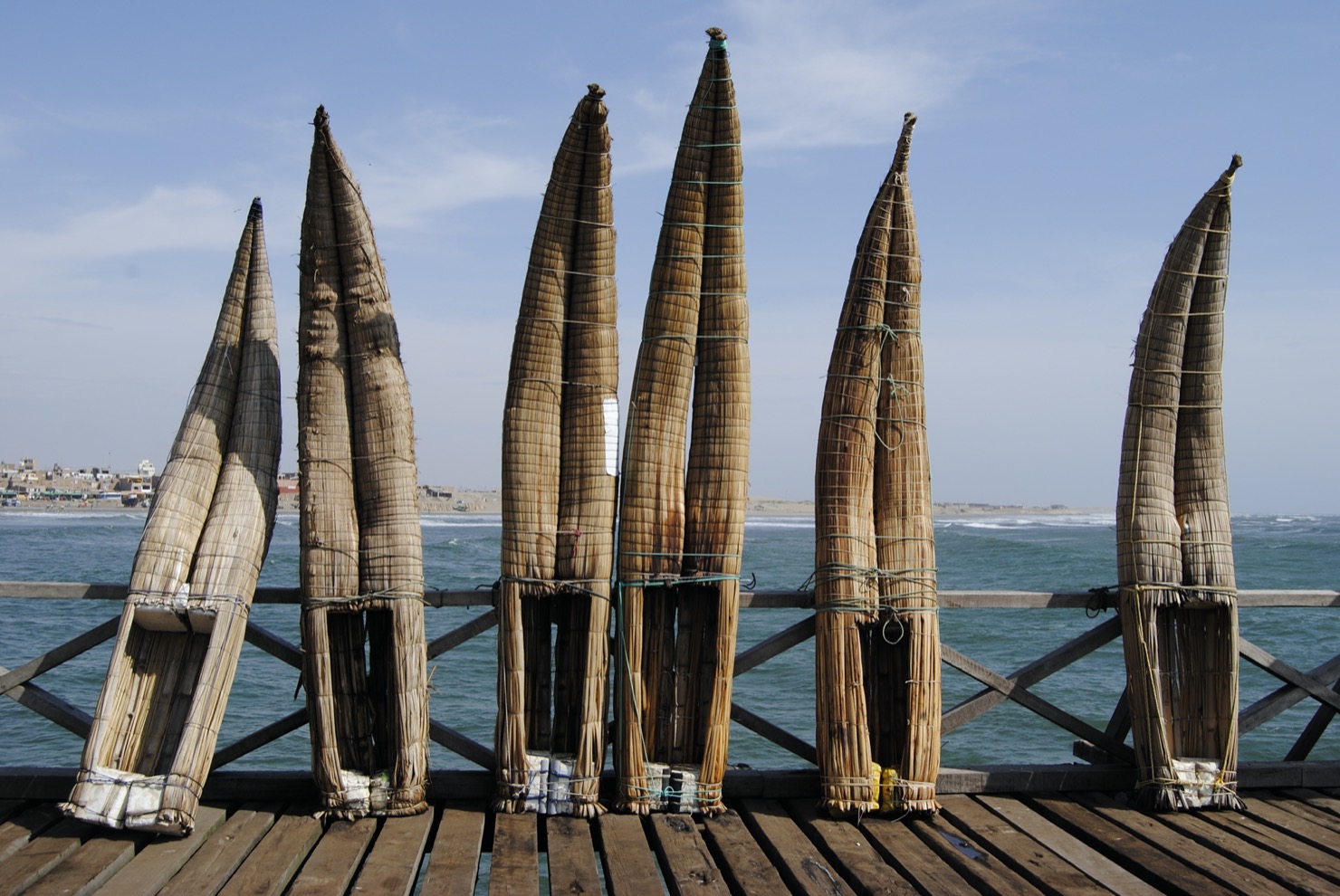
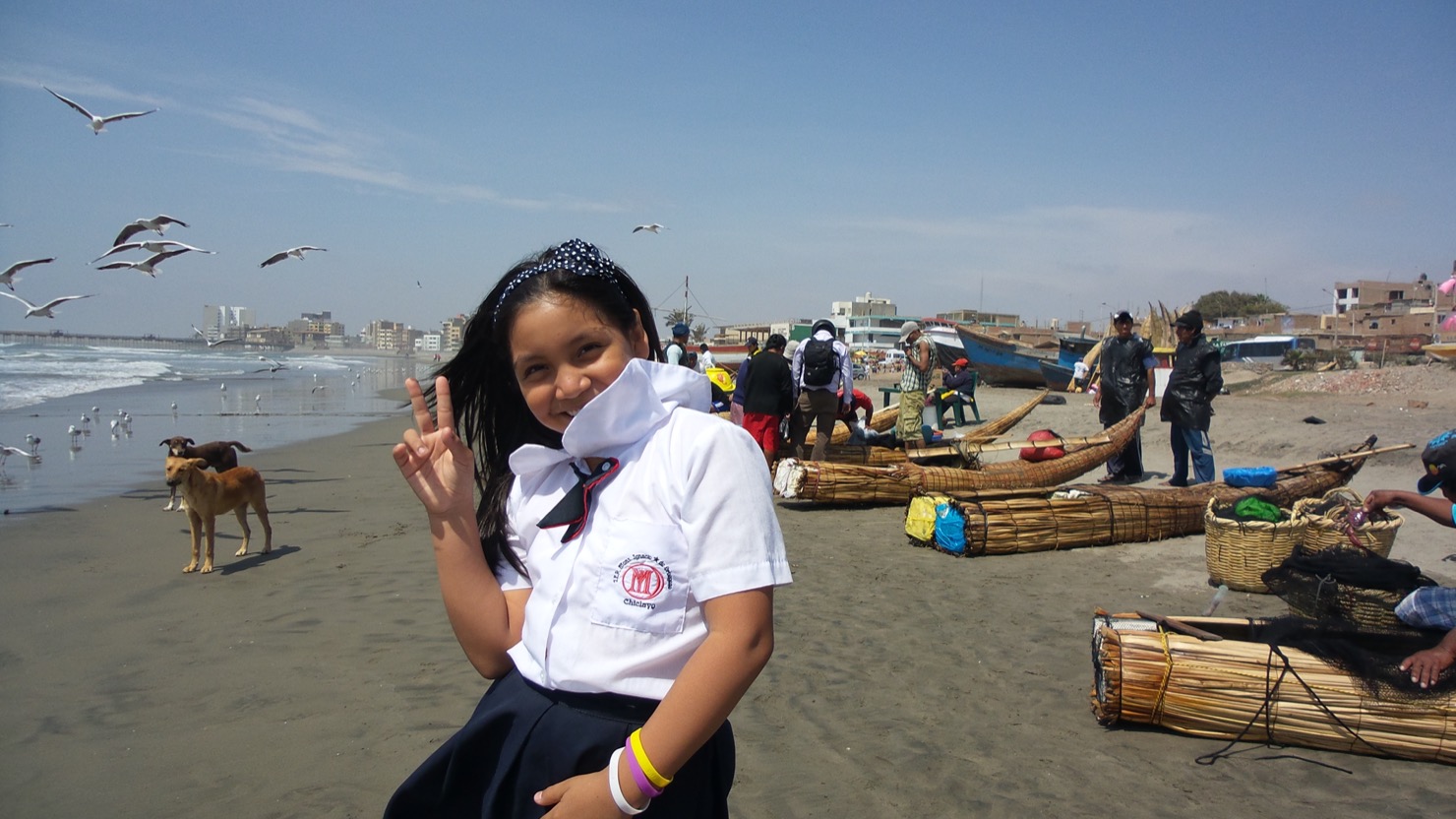
My first visit took me to northern Peru. I was invited to the FENACO Film Festival with my documentary “The Centre” to Chiclayo in the Lambayeque Valley, the largest valley of the northern coast of Peru.
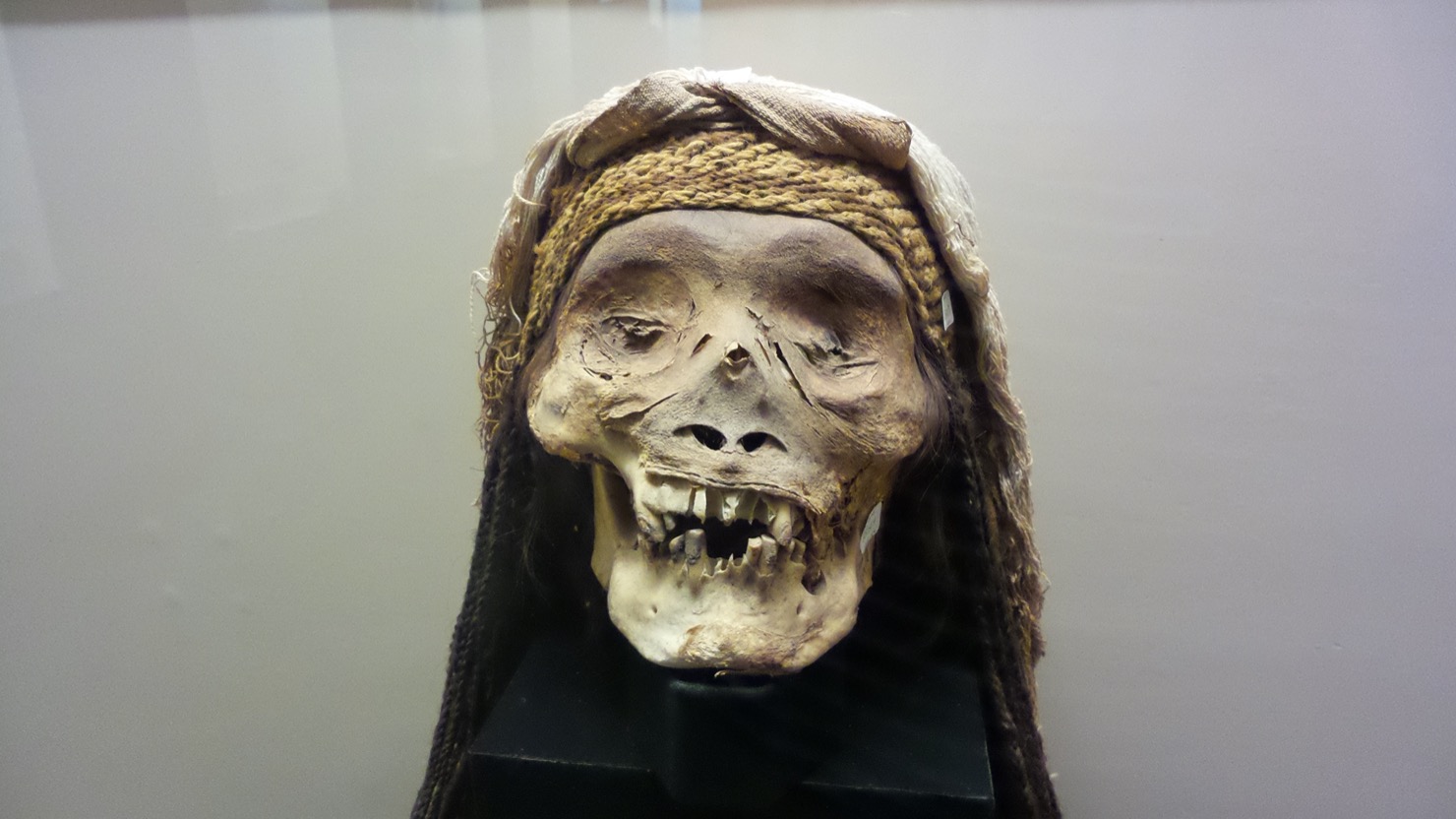
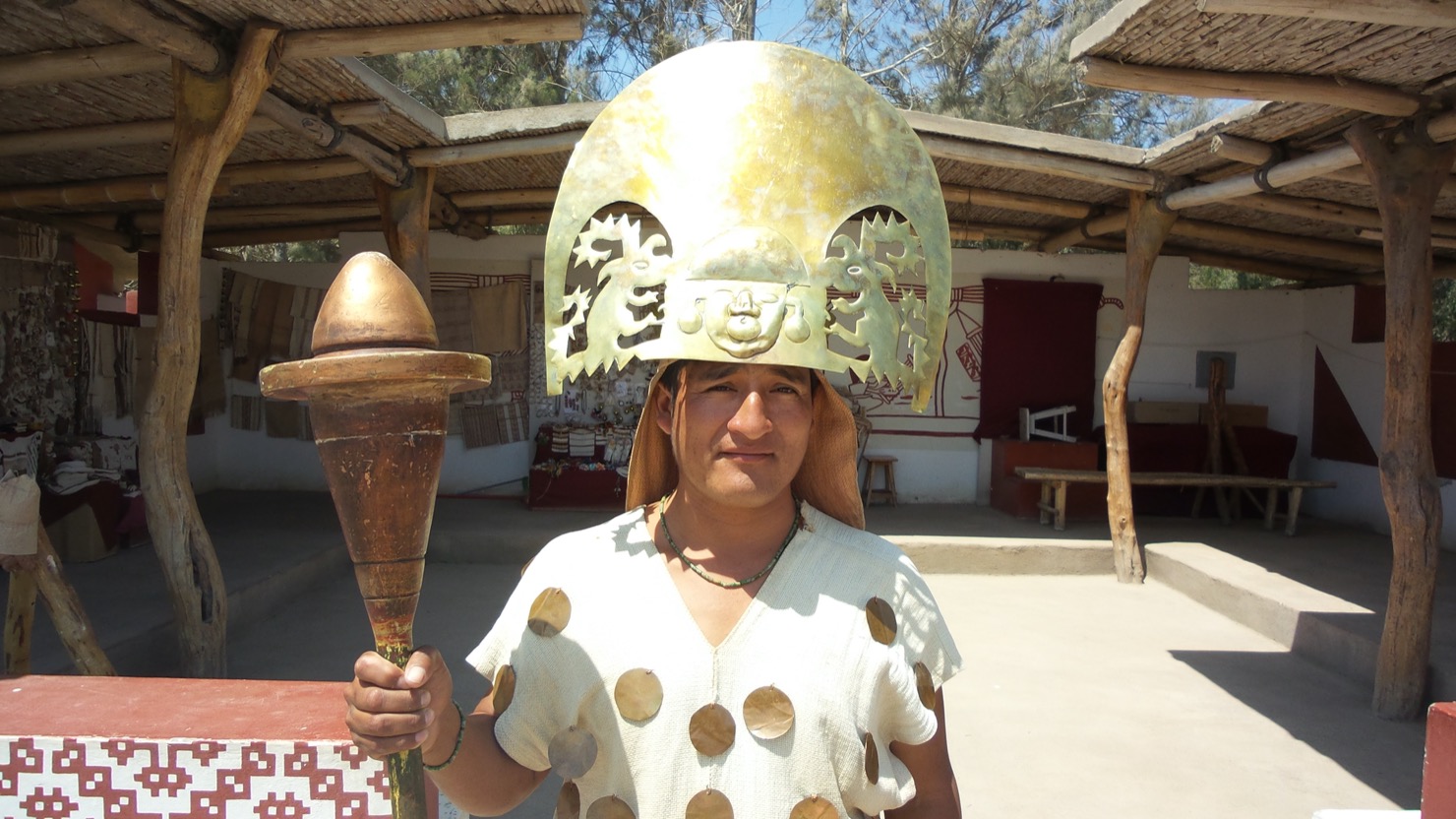
The Lambayeque Valley is the site of natural and man-made waterways and it is also a region of about 250 decaying and heavily eroded mud-brick pyramids erected by the pre-Inca civilization of Moche.
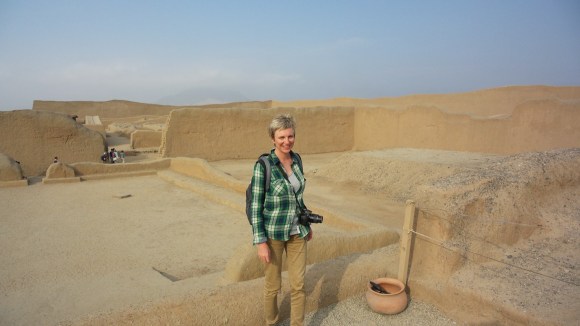
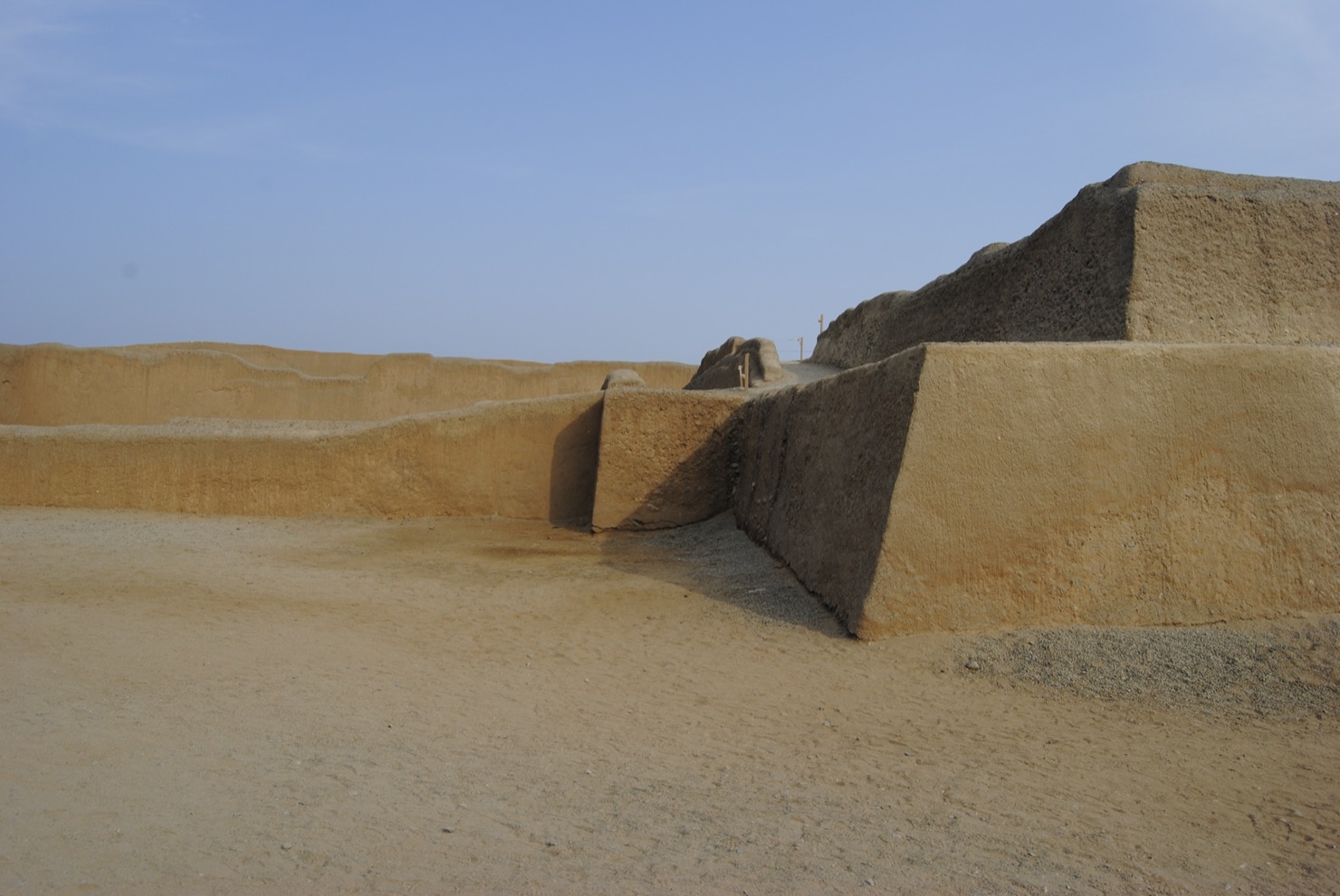
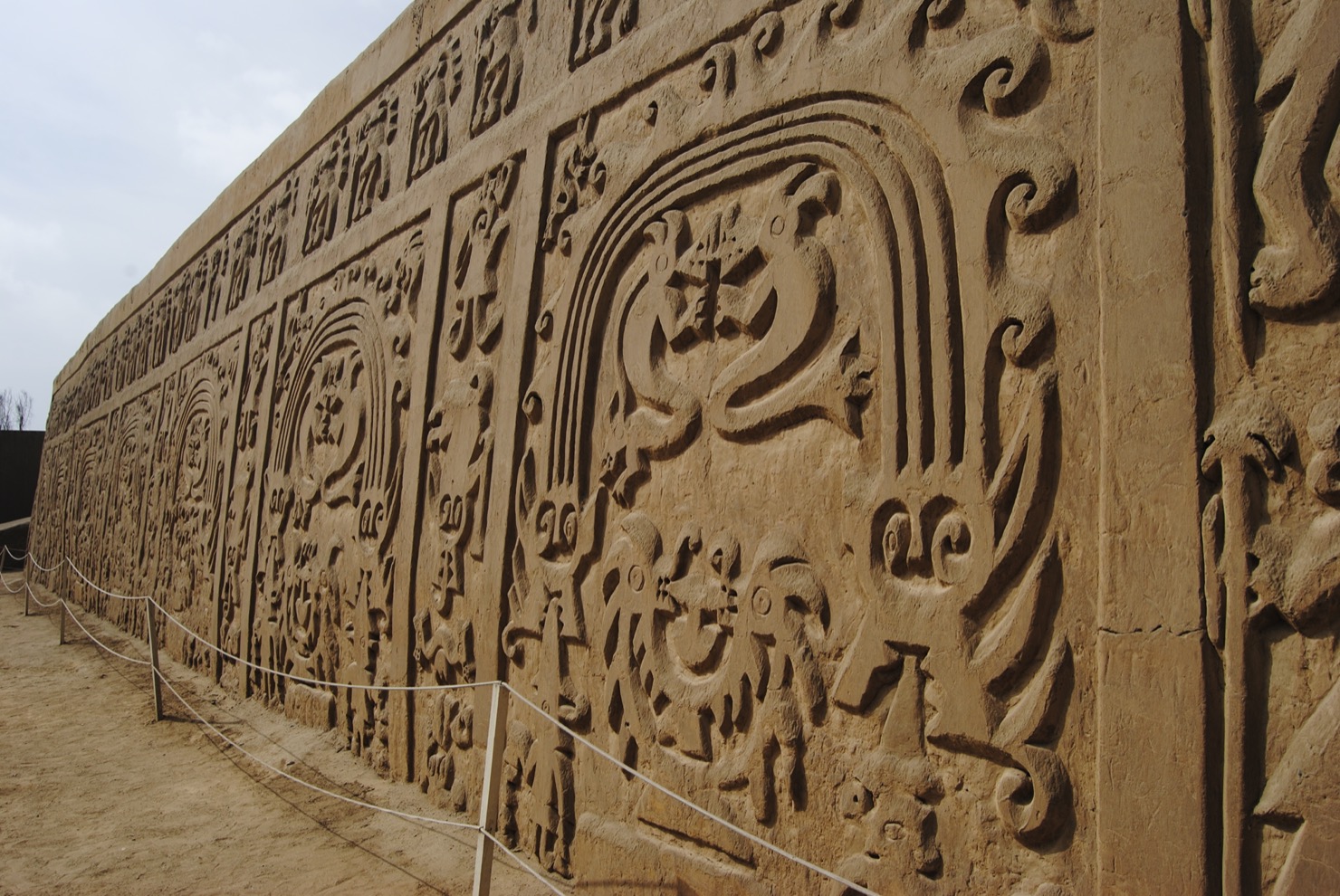
Chan Chan was the largest city of the pre-Columbian era in South America. It is believed to have been constructed around 850 AD by the Chimú. It was the capital city of the Chimor empire with an estimated population of 60,000 people. After the Inca conquered the Chimú around 1470 AD, Chan Chan fell into decline. The archaeological site covers the area of approximately 20 square kilometres and is considered the largest adobe city in the Americas.
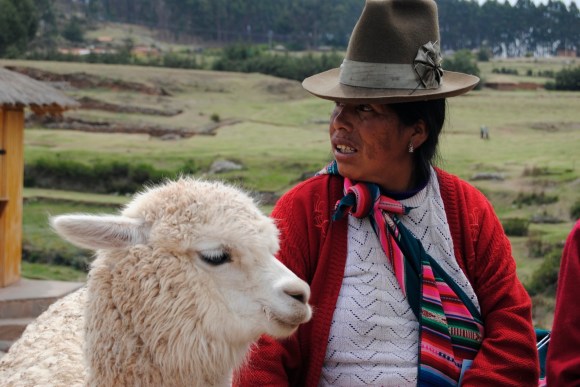
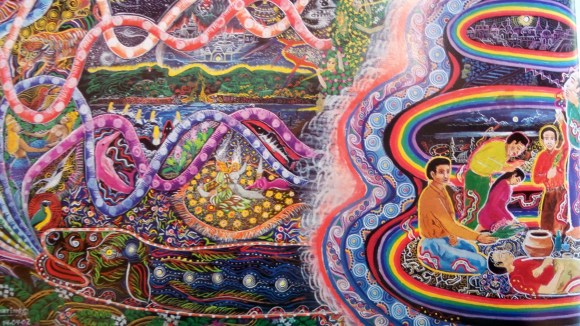
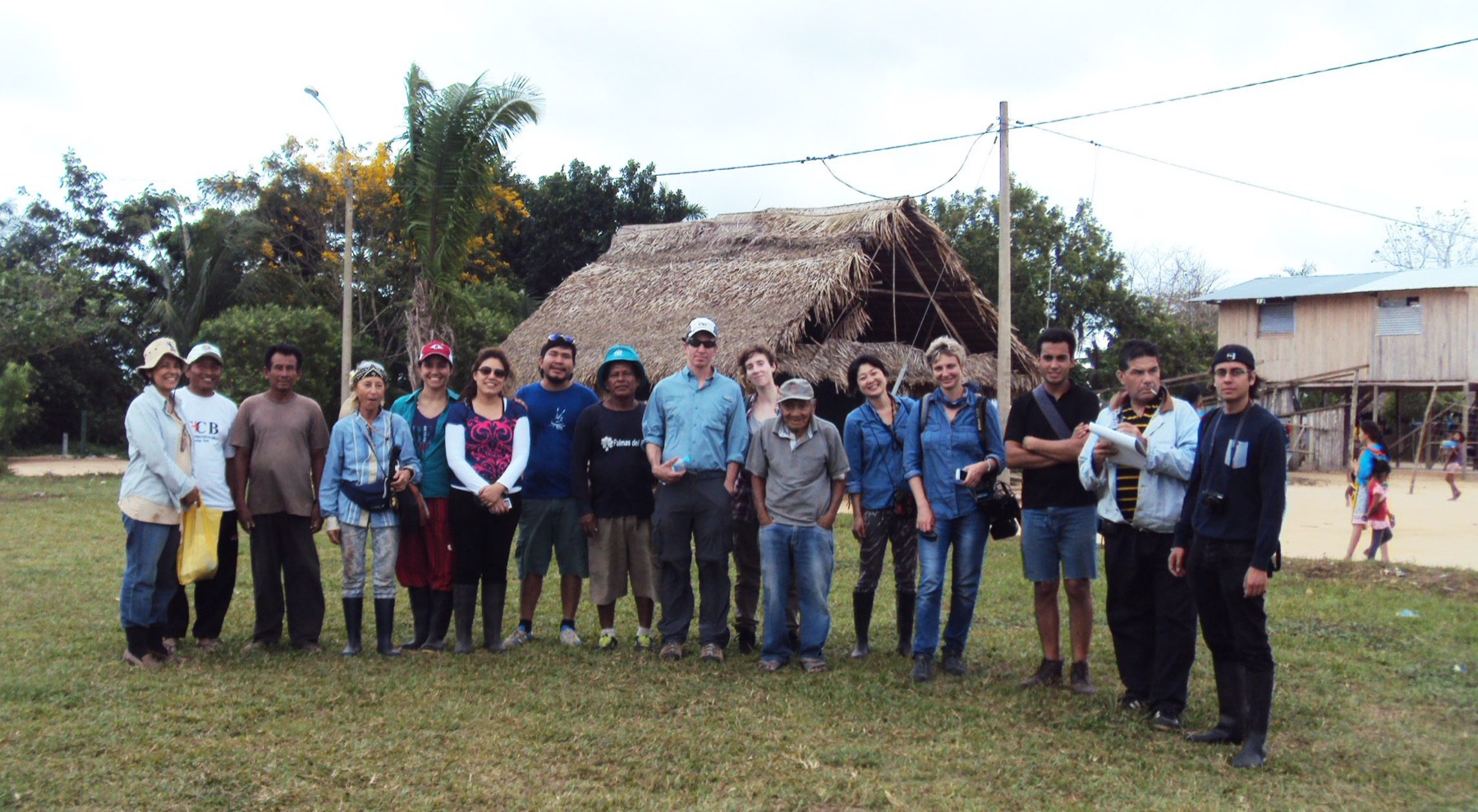
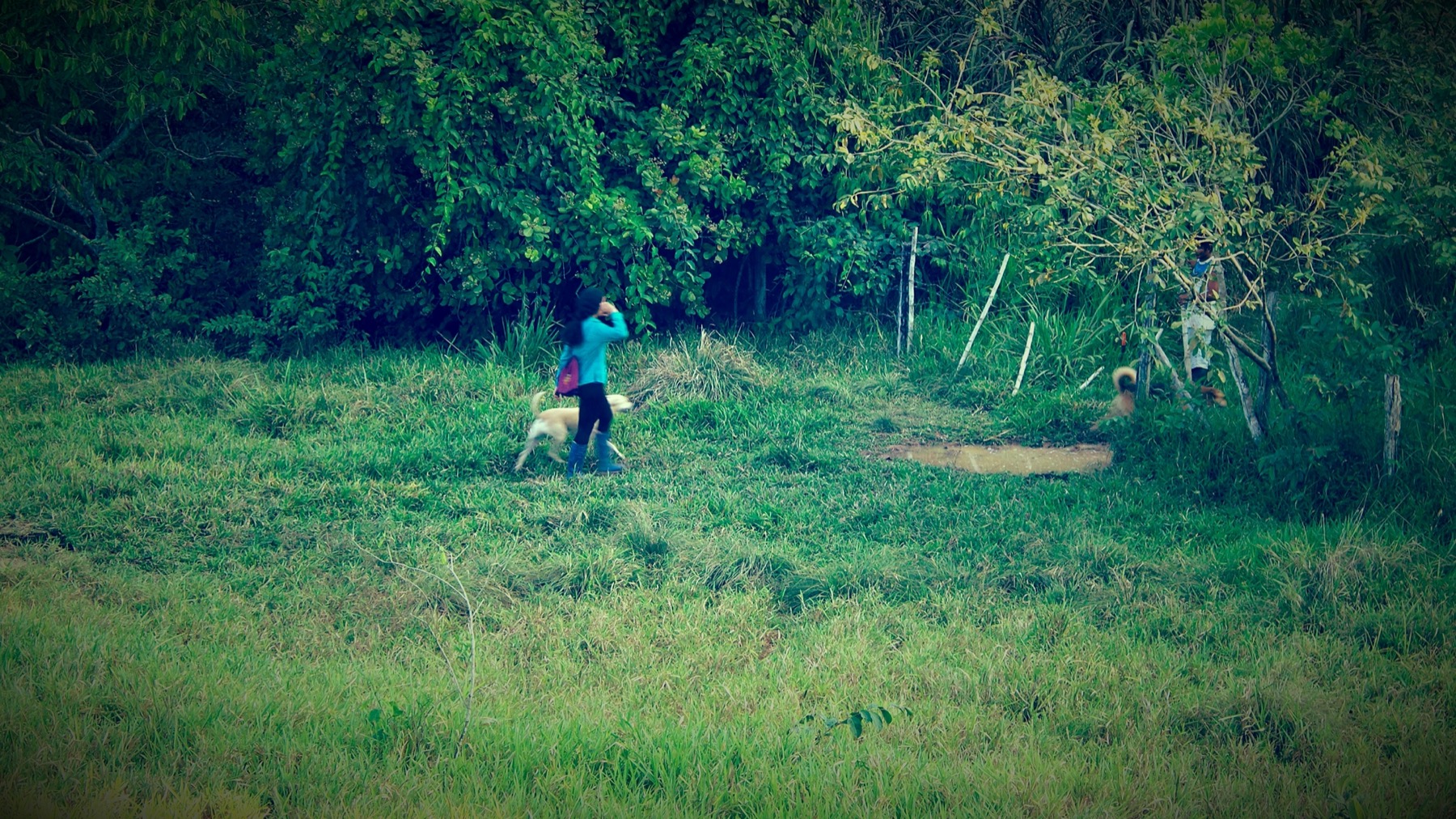
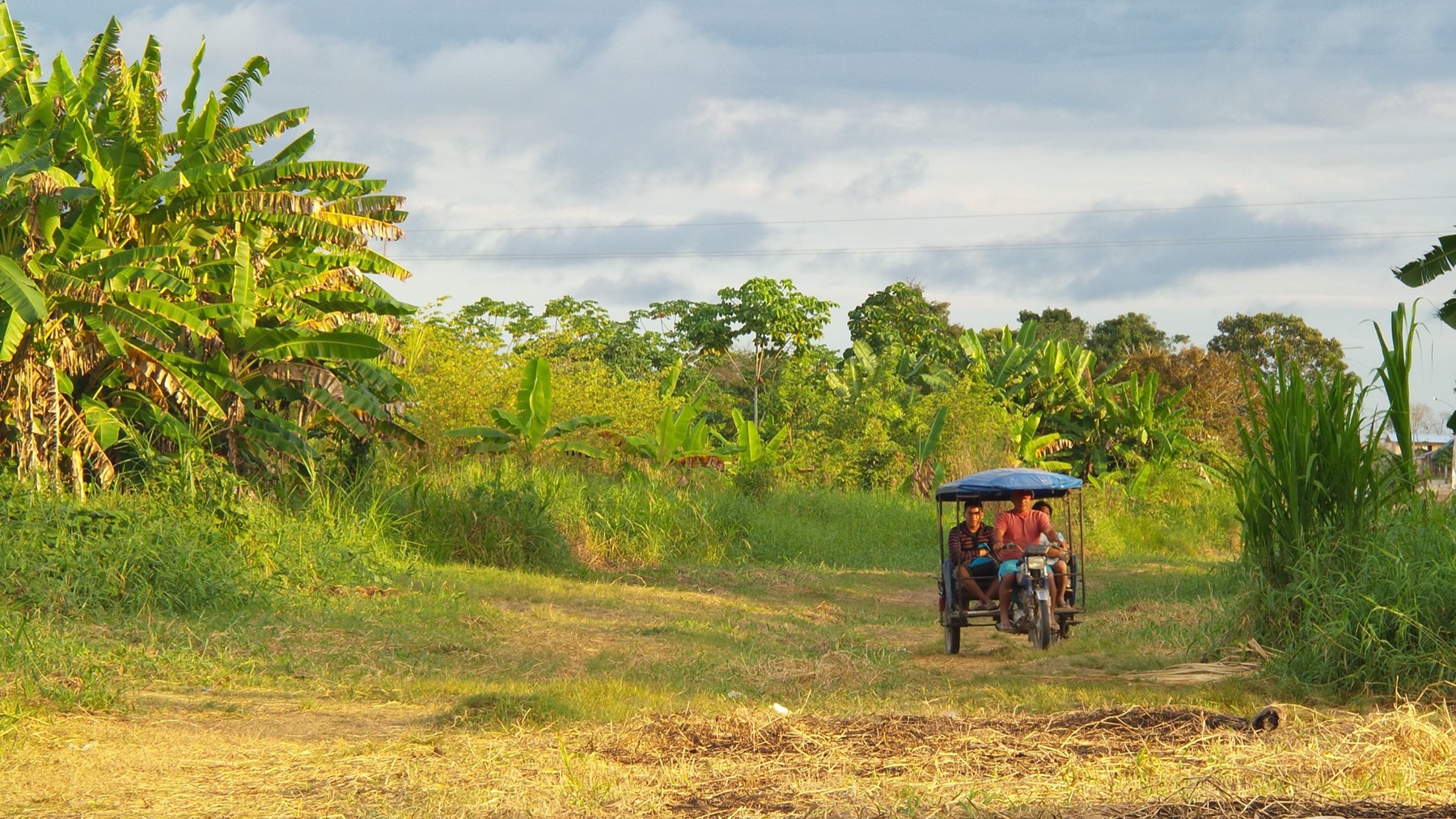
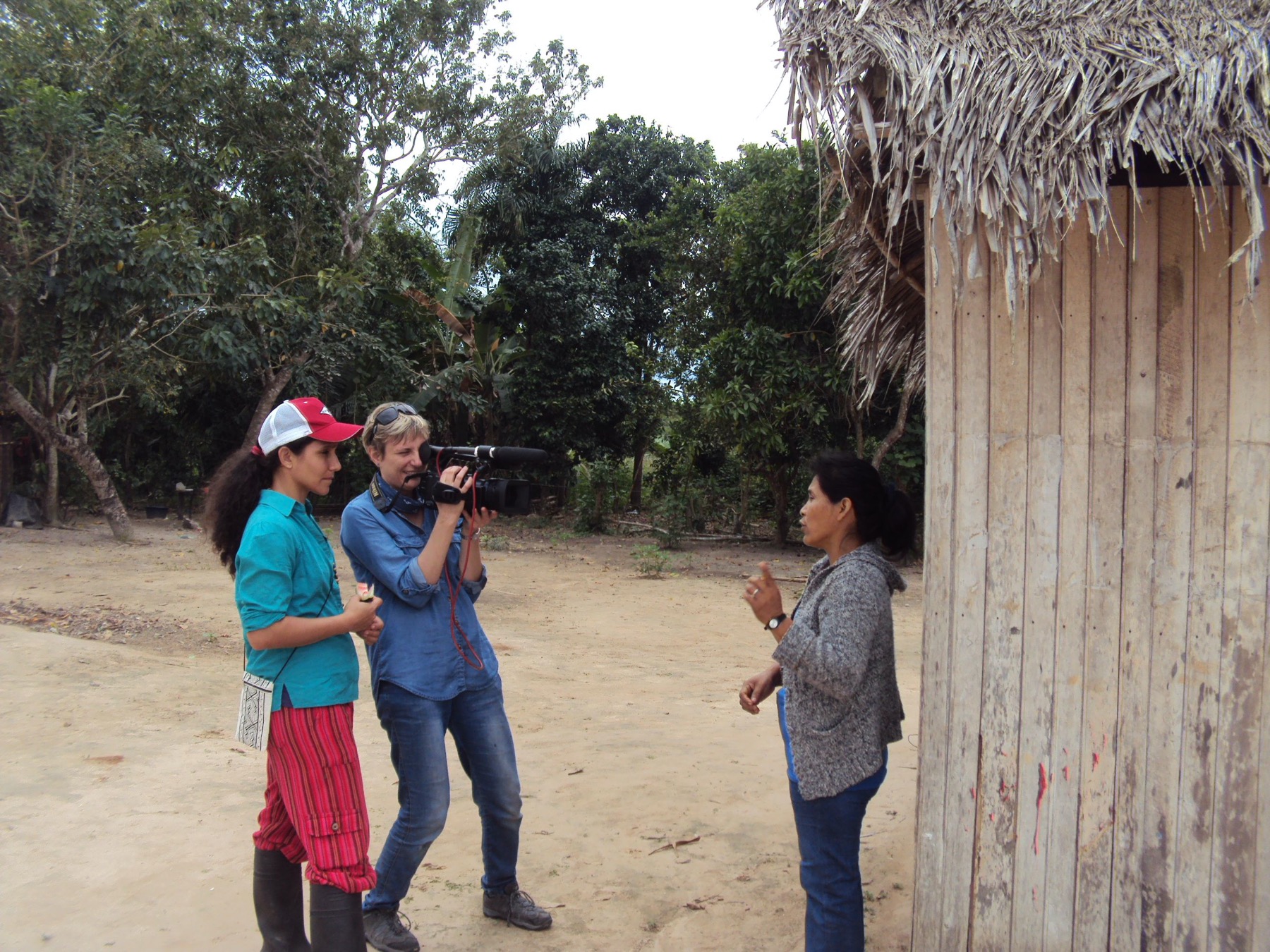
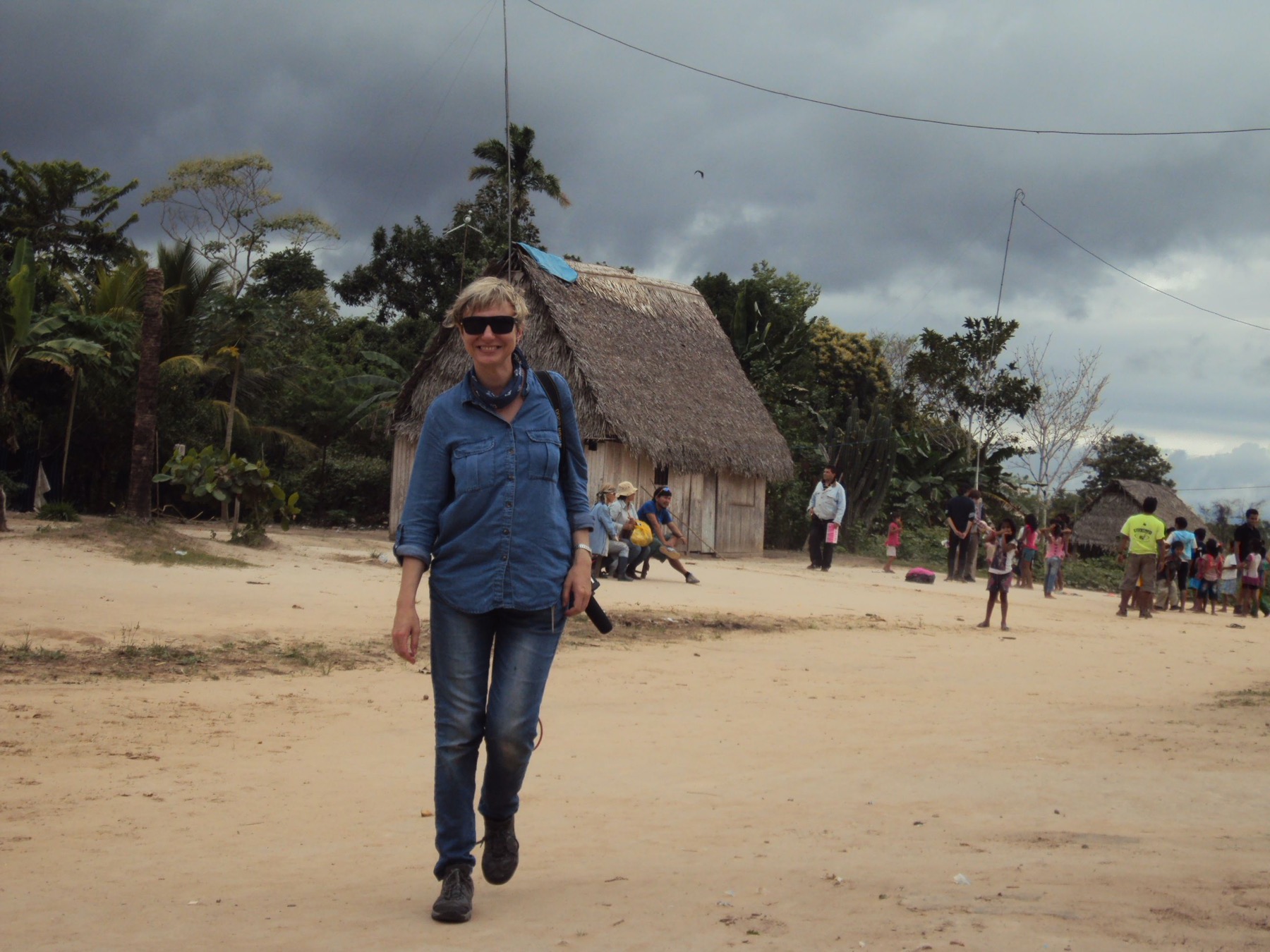
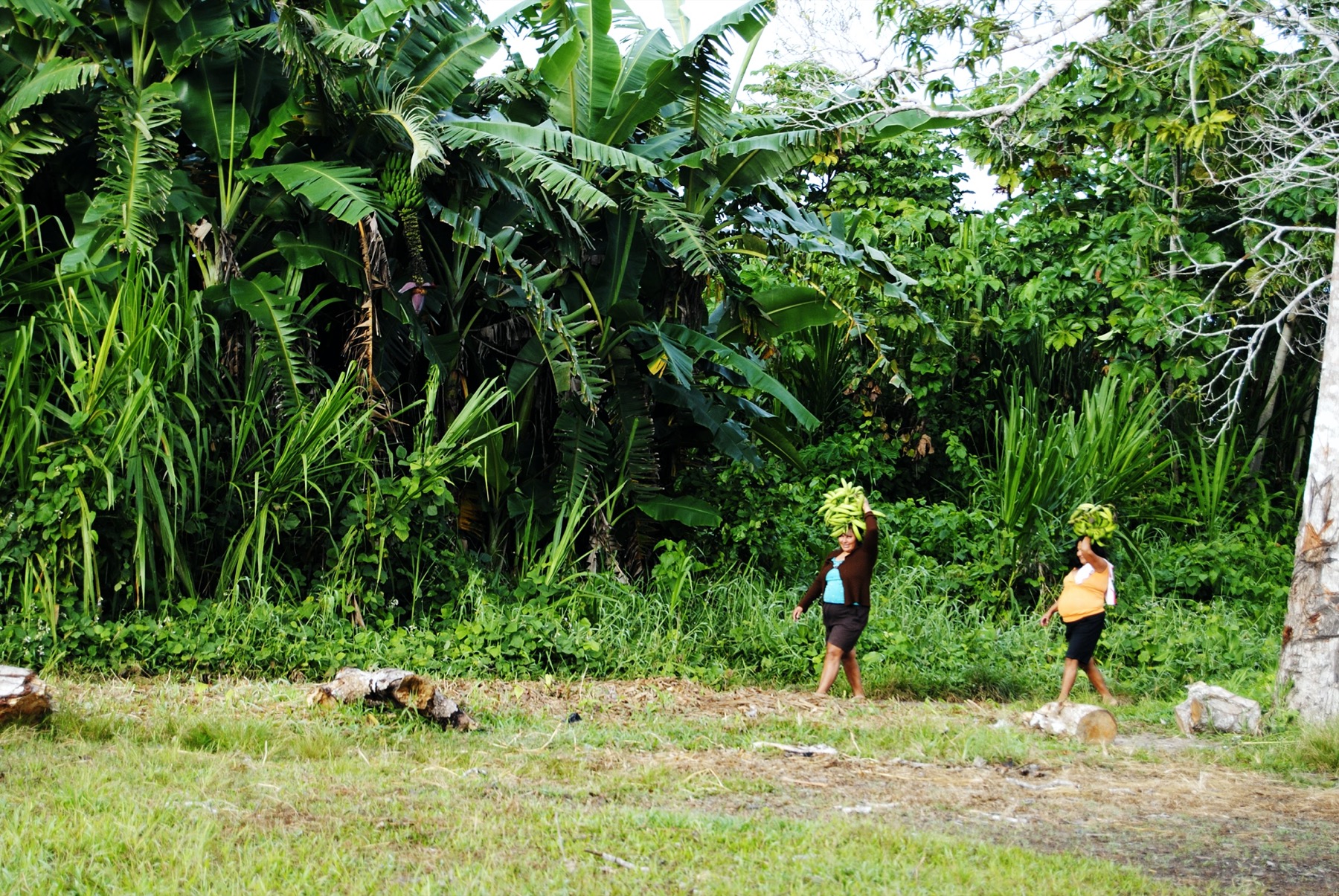
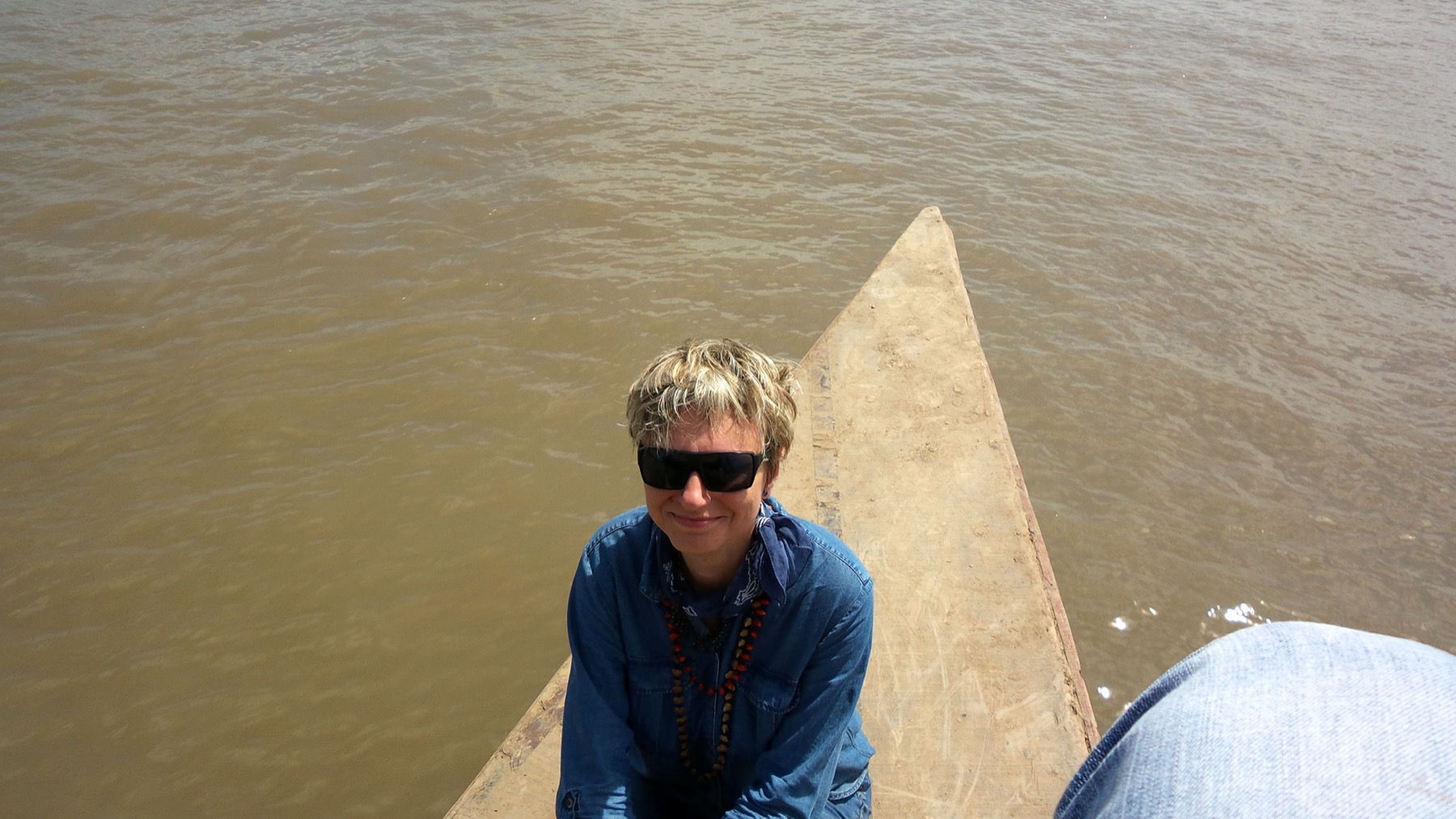
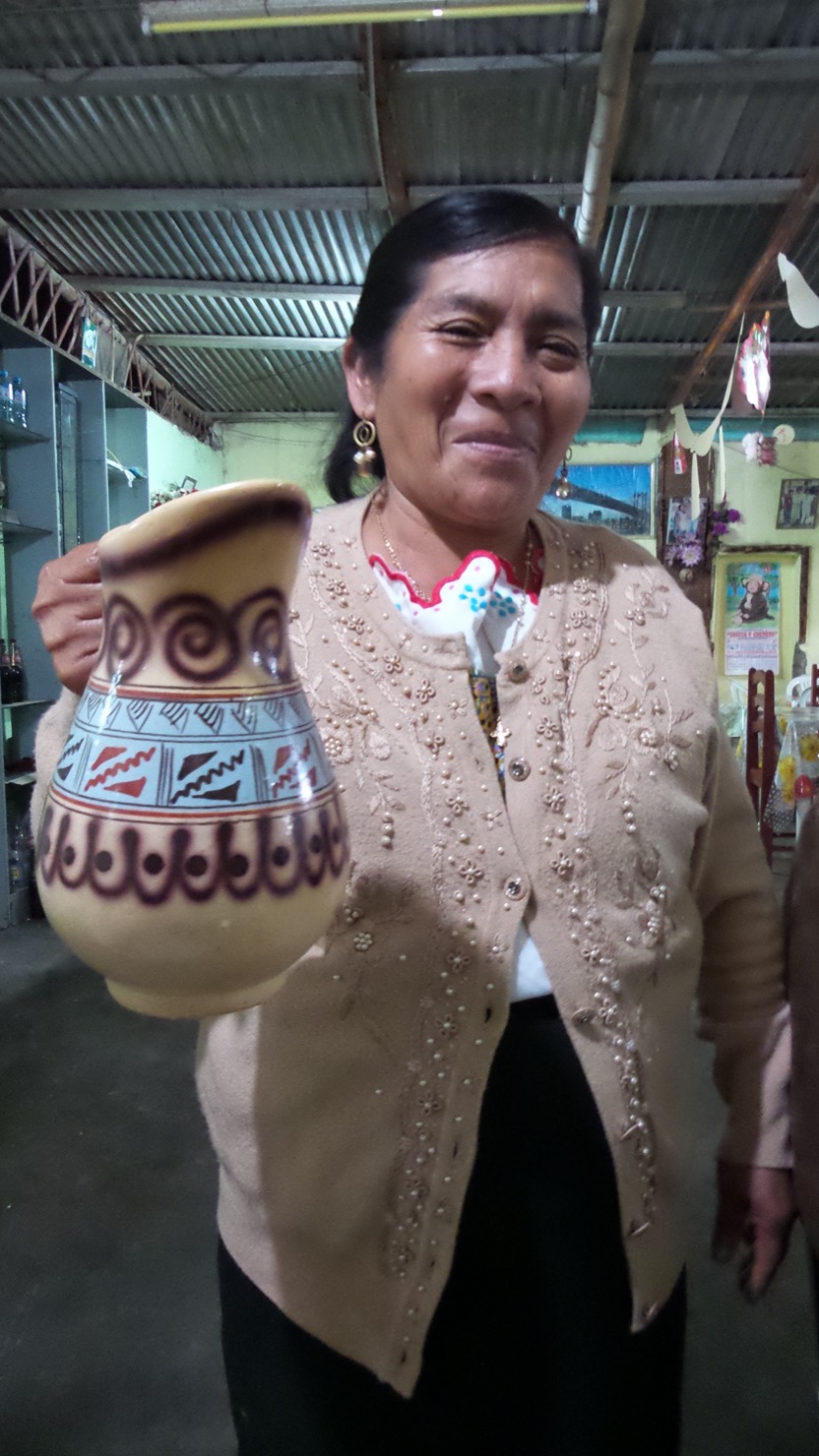
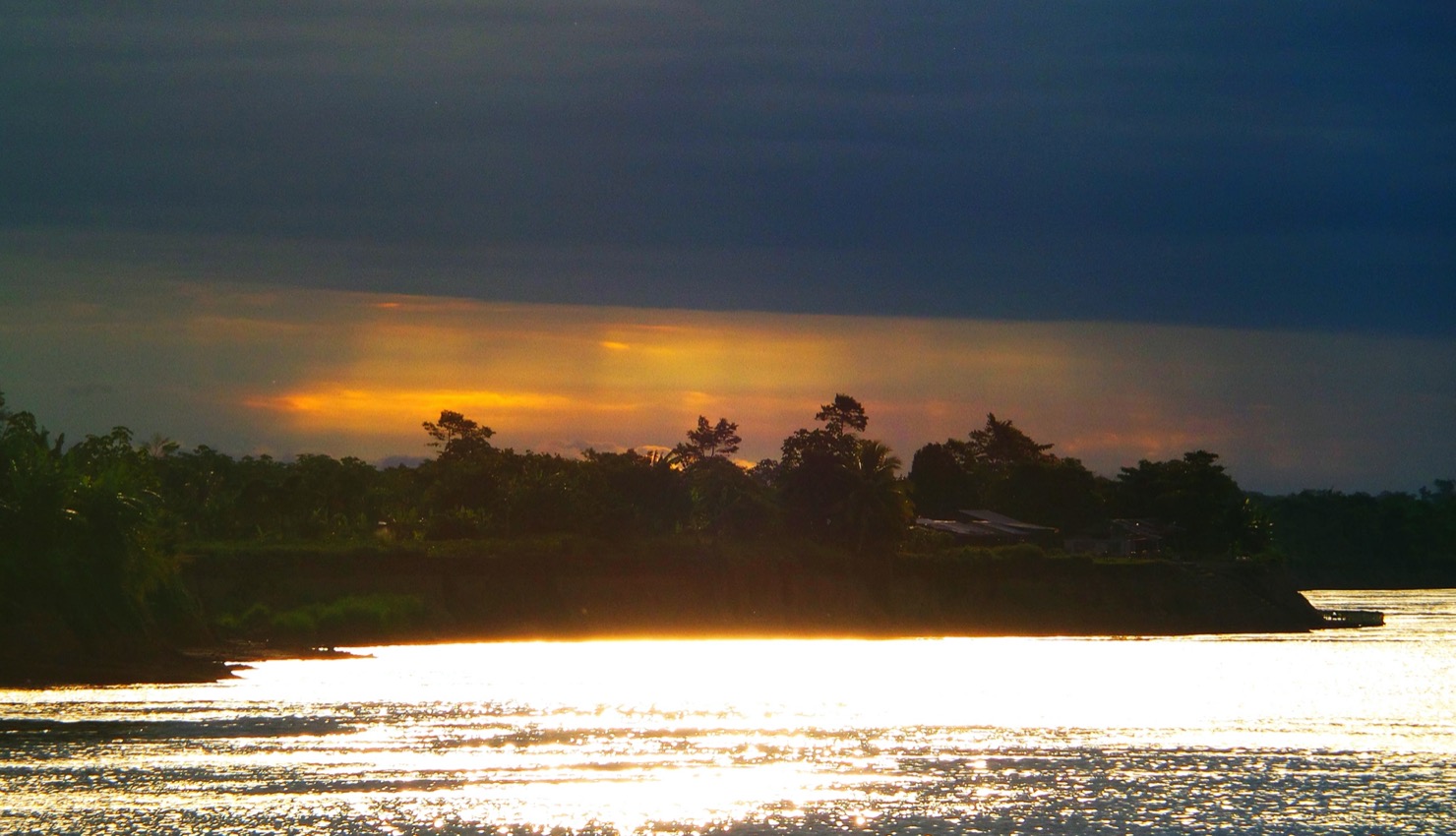
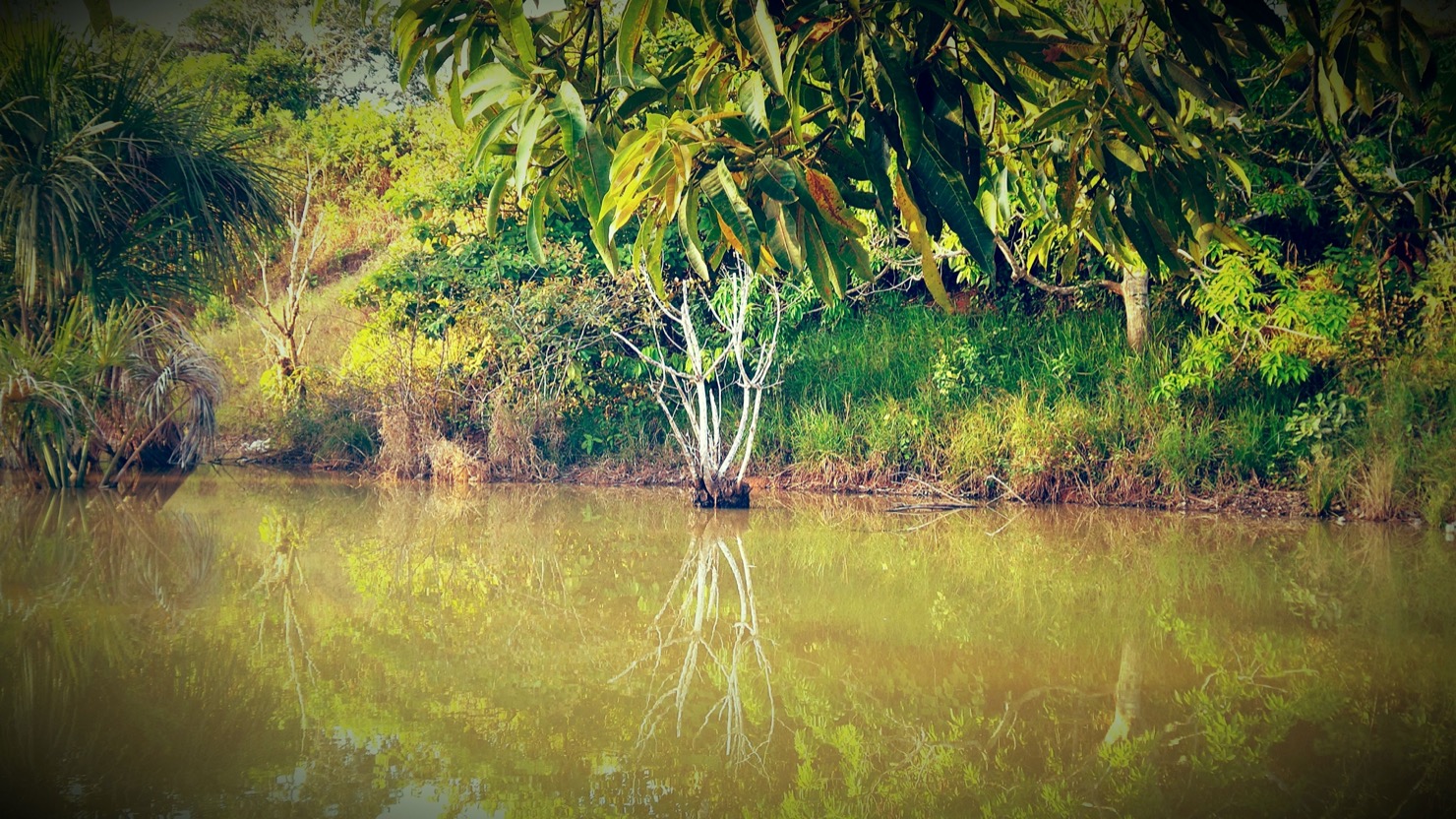
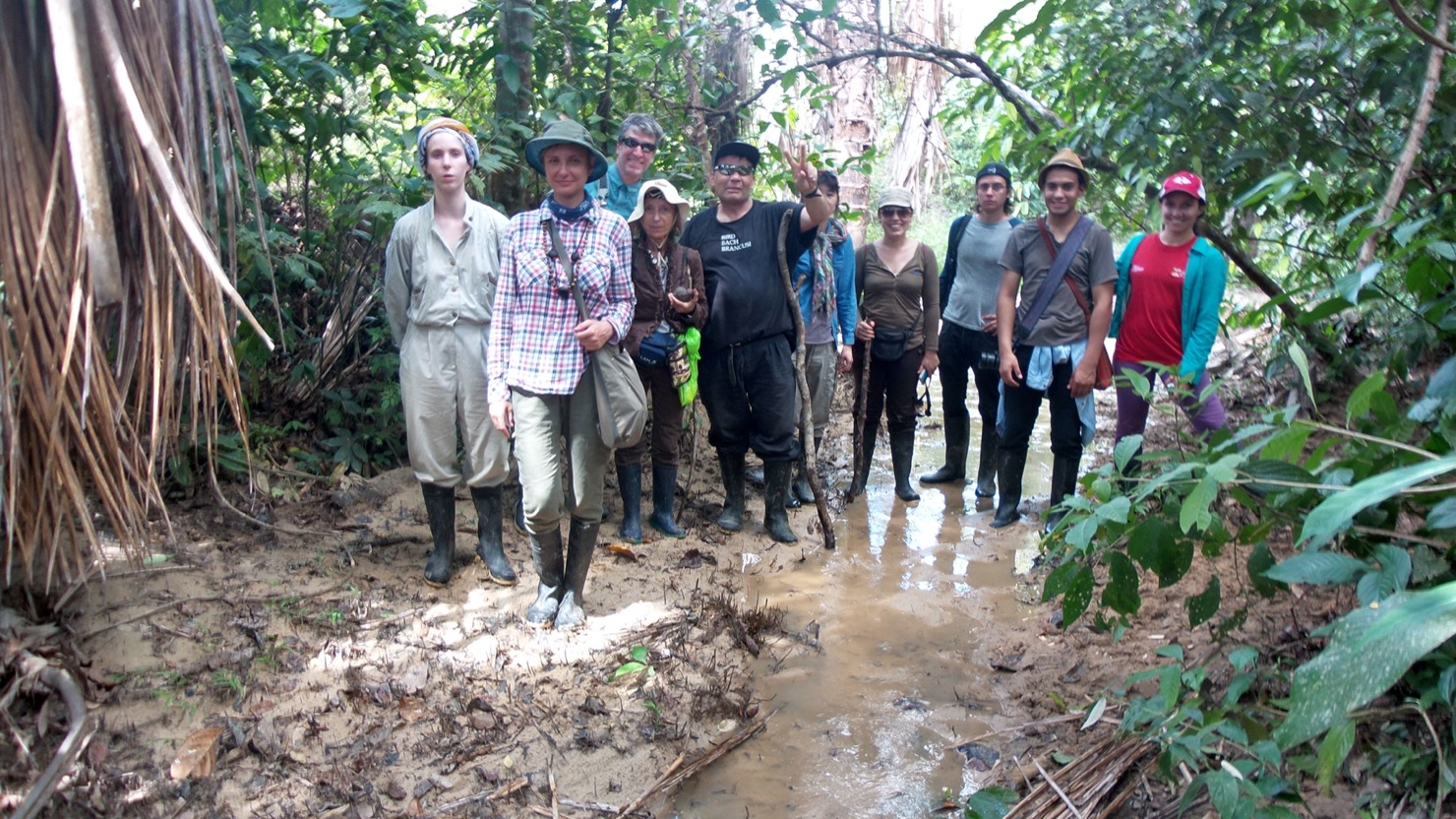
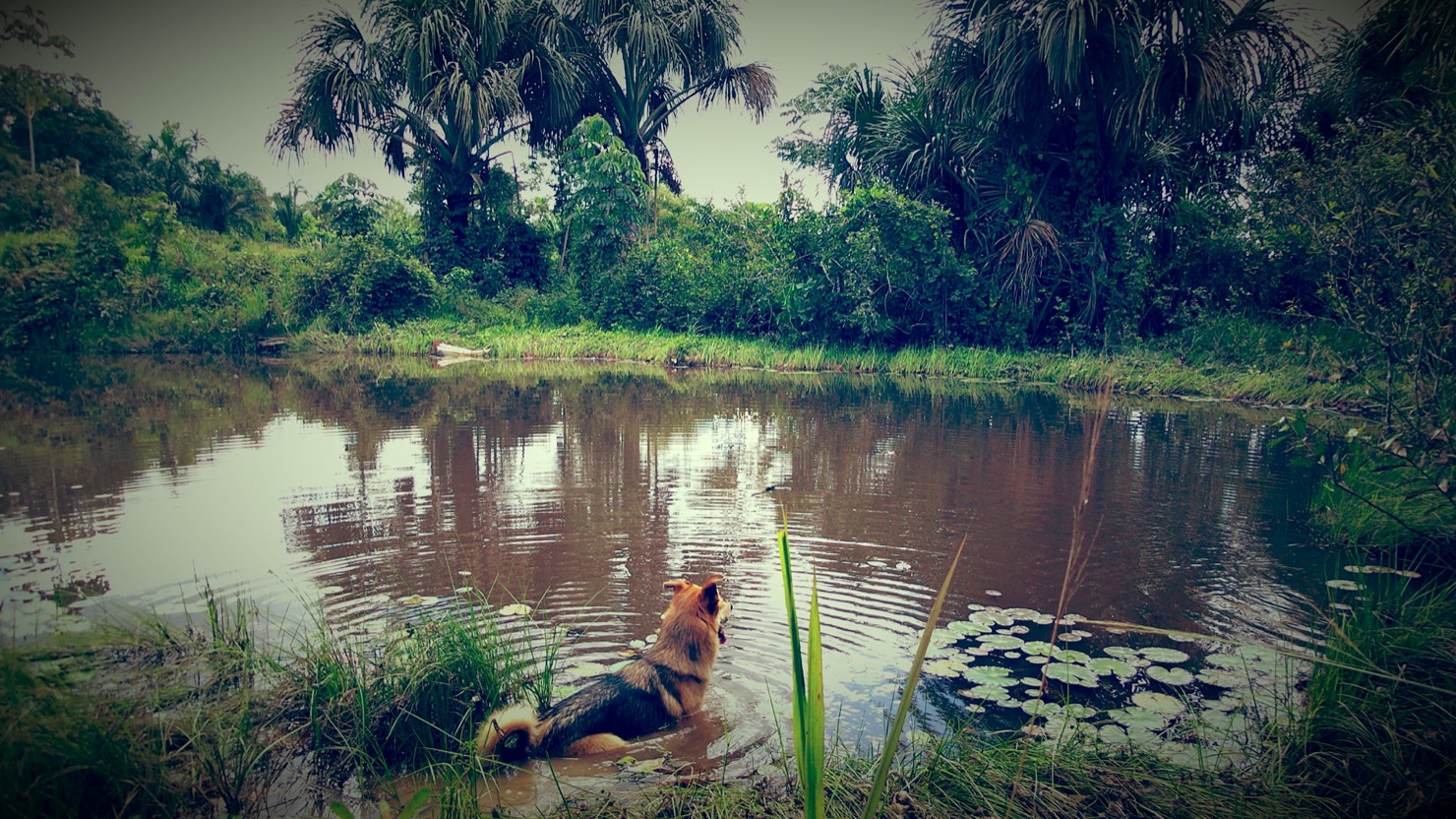
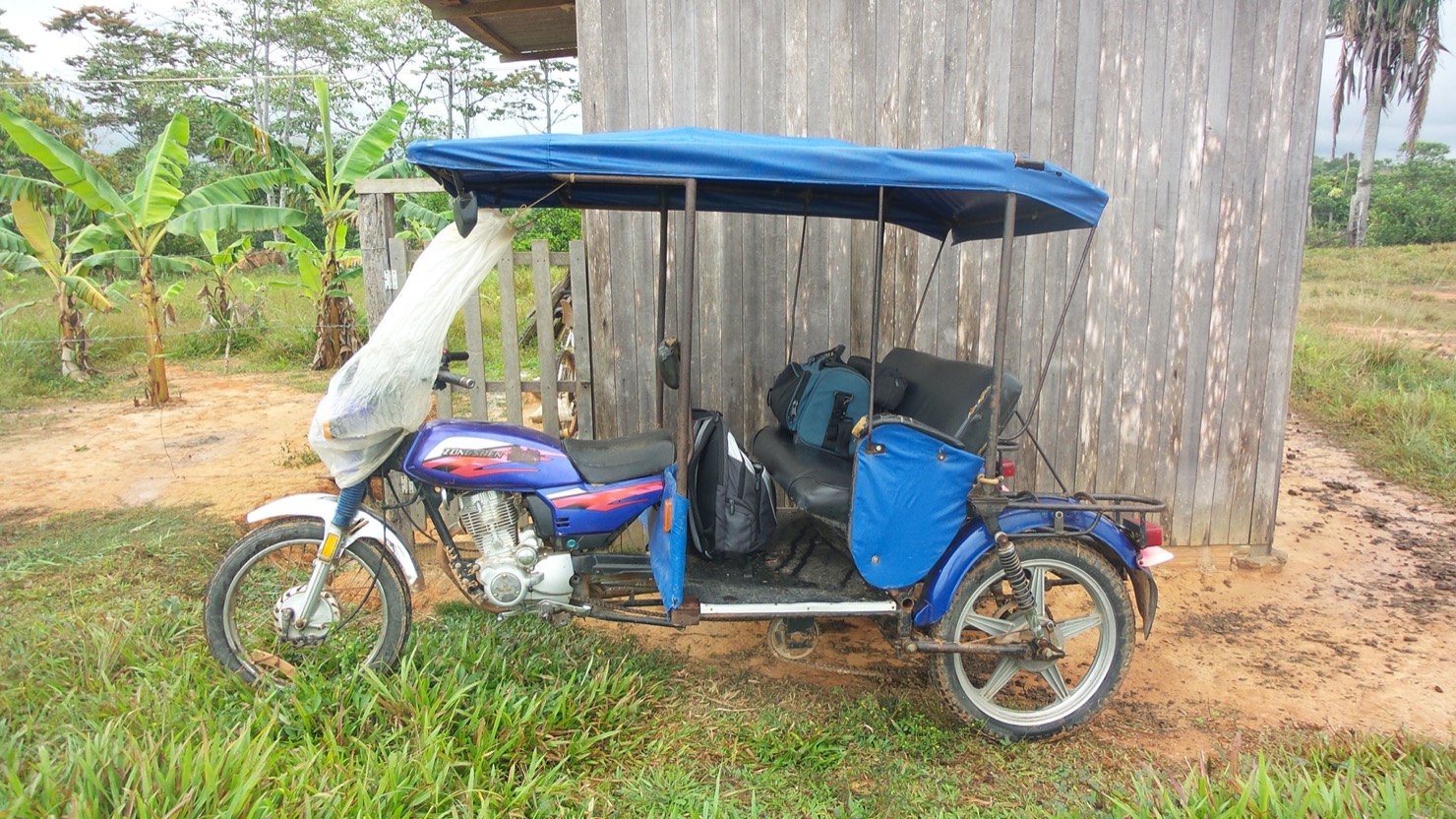
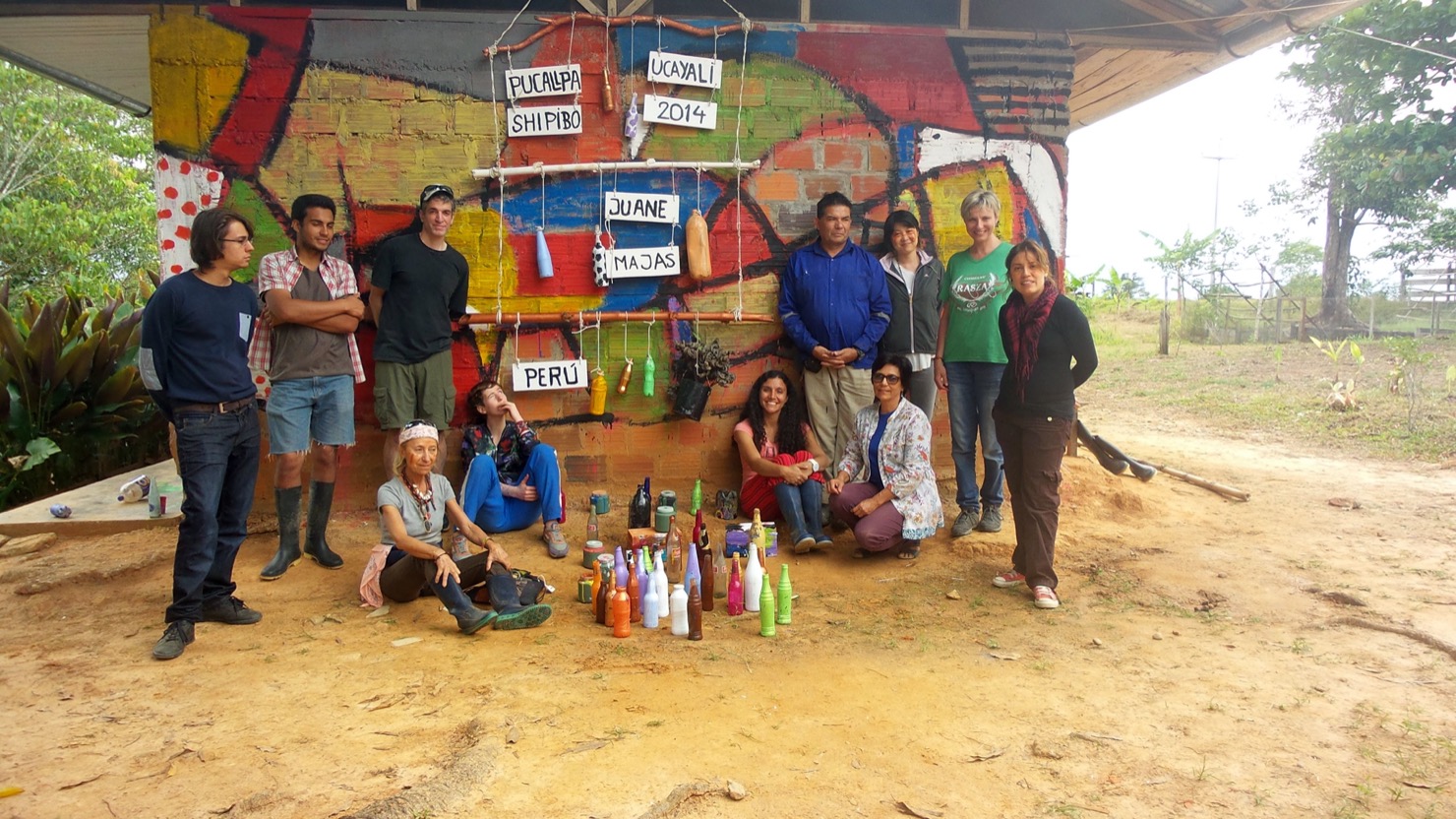
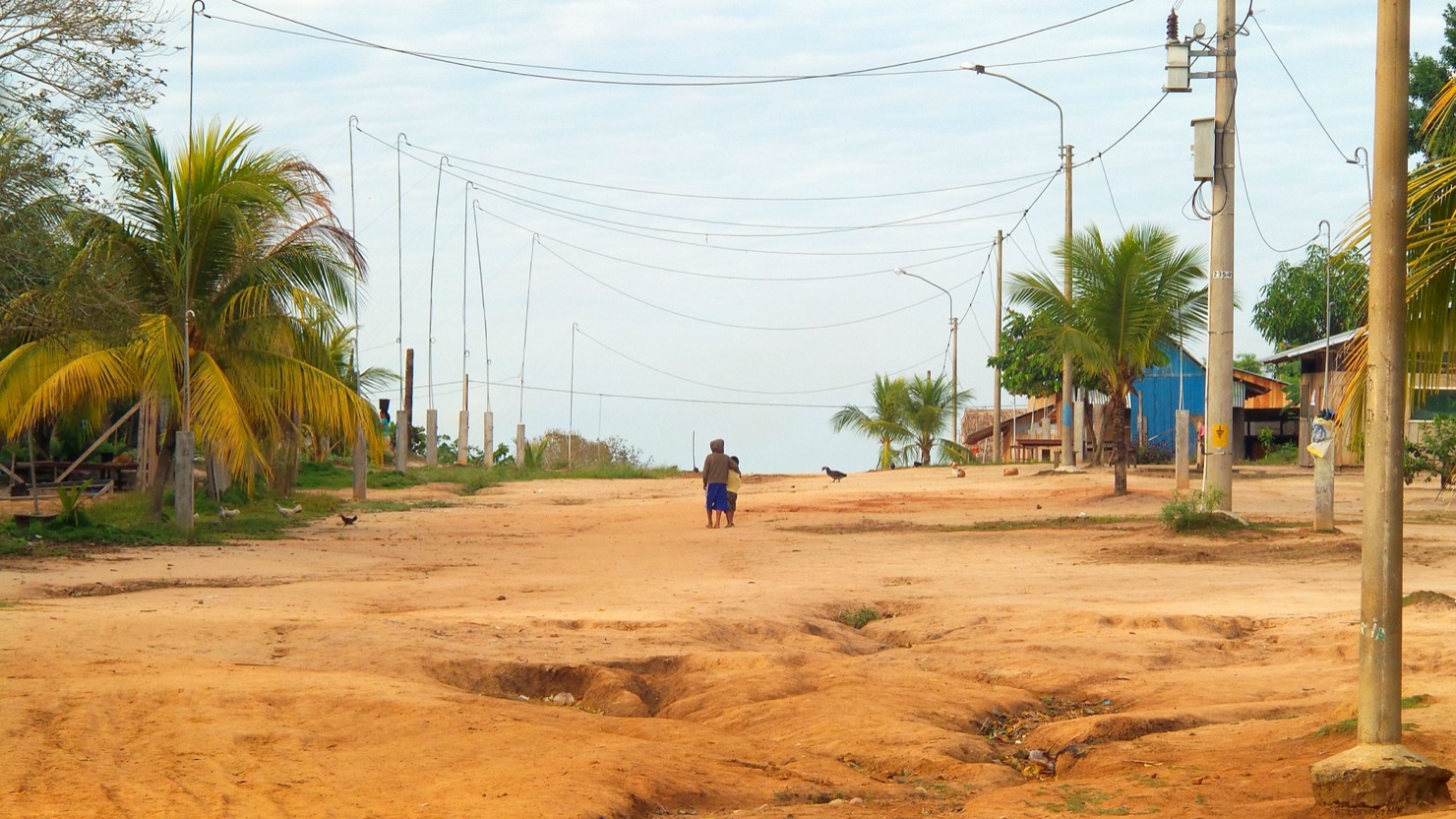
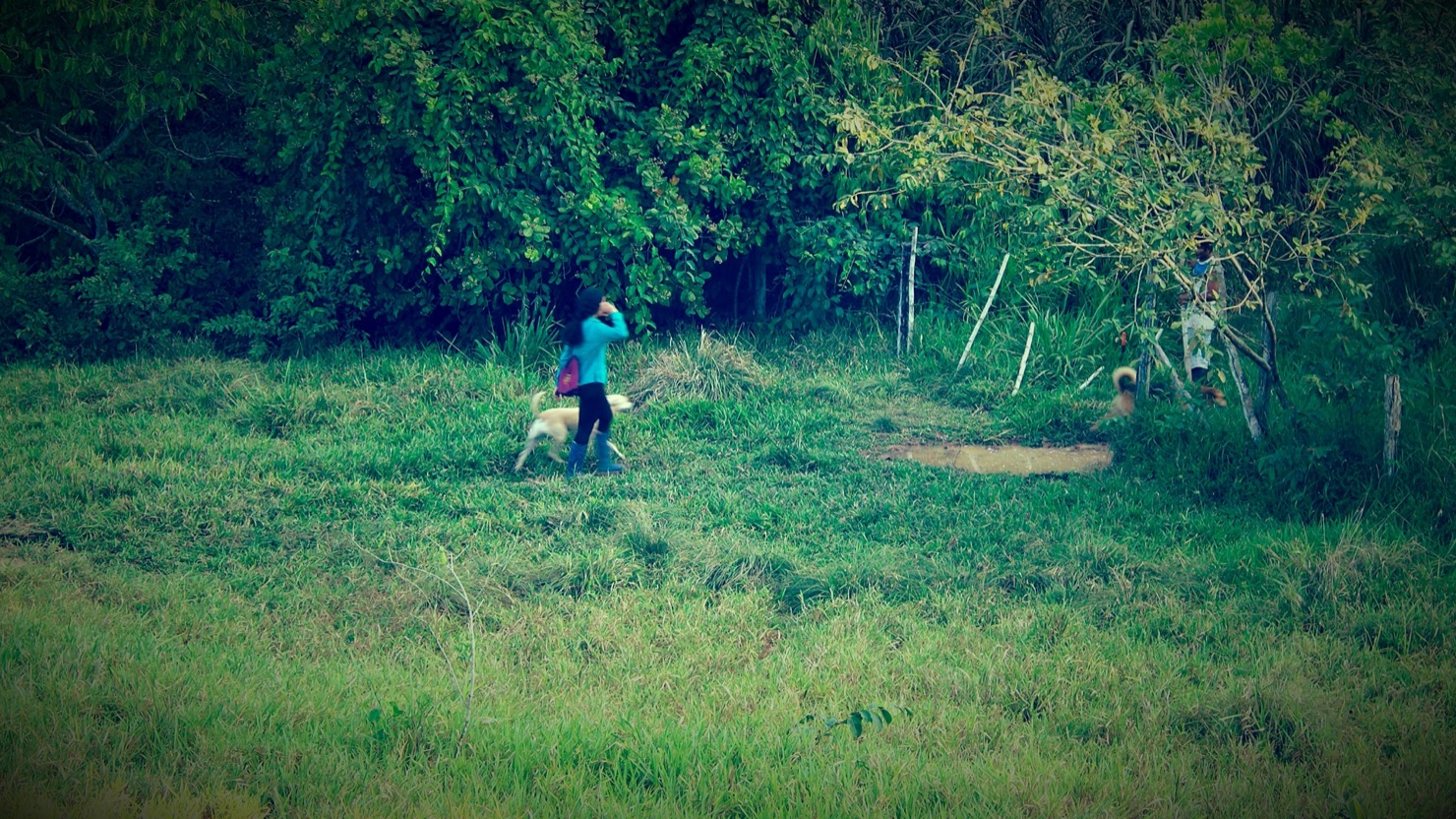
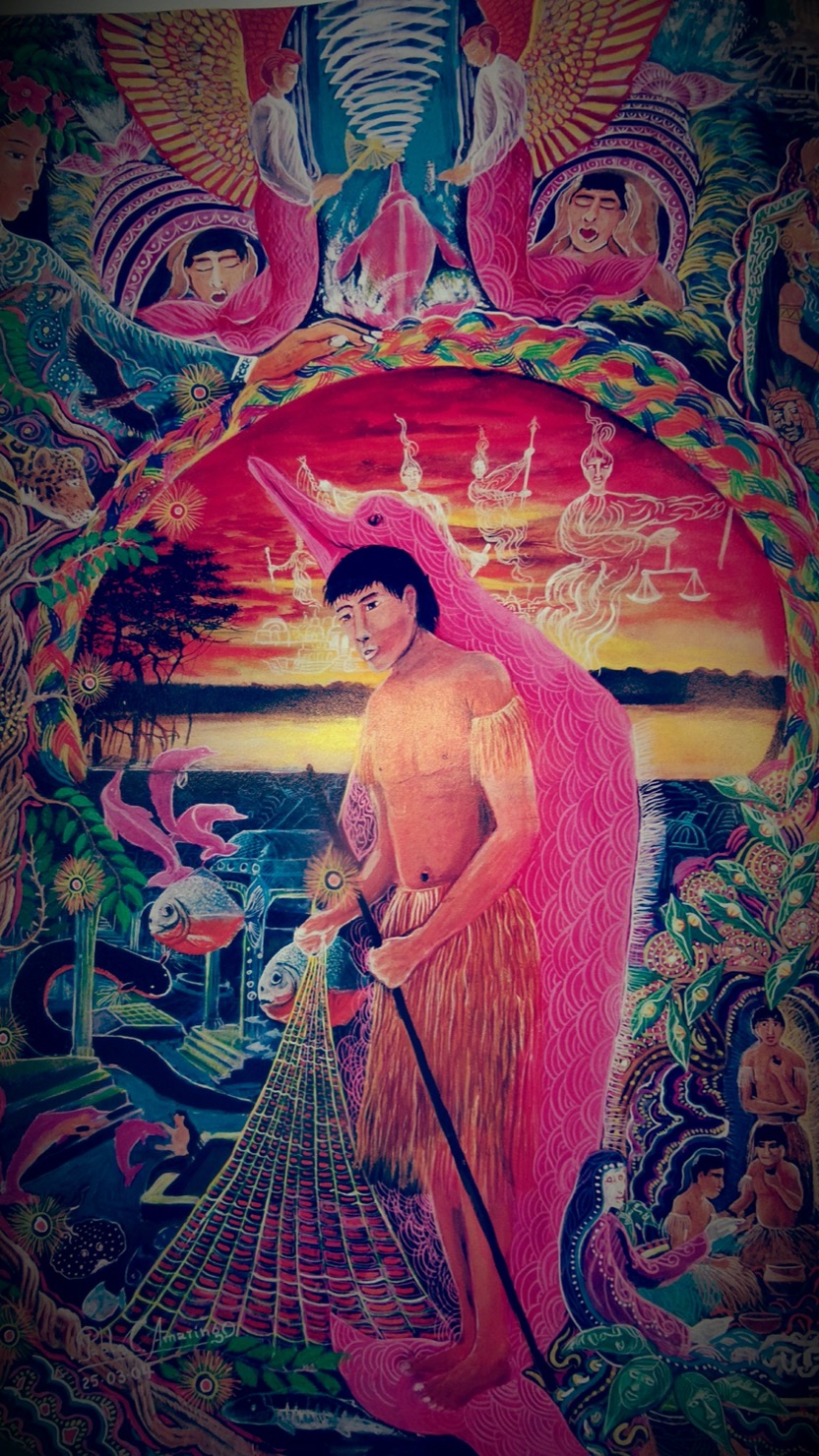
My second visit was an artistic residency in Centro Selva – Centre for promoting projects in the art and sciences in the Central Amazon Region in the Ucayali river area. Among the Shipibo-Conibo people I learnt about their culture. Many of their traditions are still practiced, such as the ayahuasca shamanism. Shamanistic songs have inspired artistic tradition and decorative designs found in their clothing, pottery, tools and textiles. I visited the museum of Pablo Amaringo, a native painter who created Usko Ayar Art school of painting.
“Every tree, every plant, has a spirit. People may say that the plant has no mind. I tell them that the plant is alive & conscious. A plant may not talk, but there is a spirit in it that is conscious, that sees everything, which is the soul of the plant, its essence, what makes it alive. The channels through which the water & sap move are the veins of then spirit.” – Pablo Amaringo
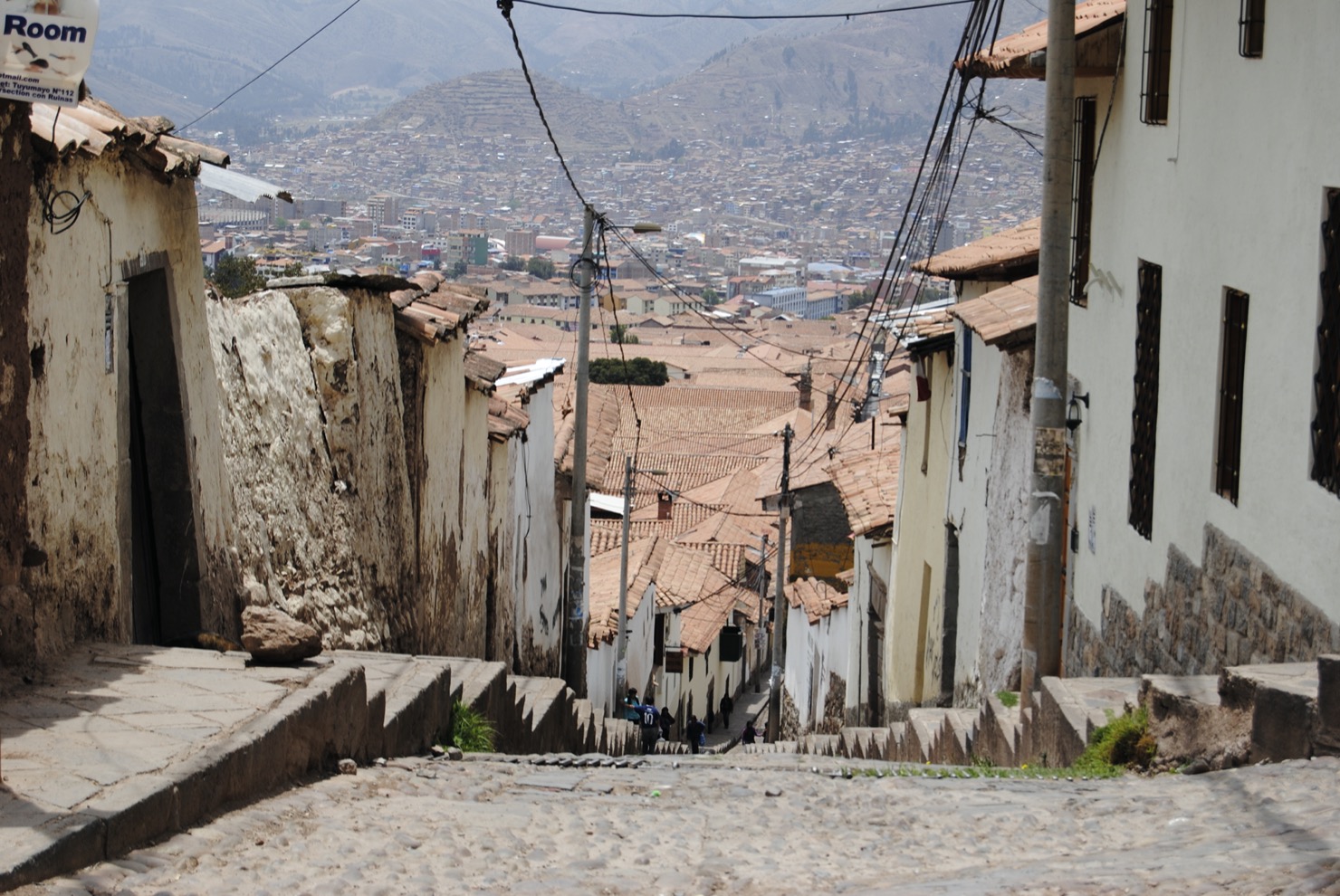
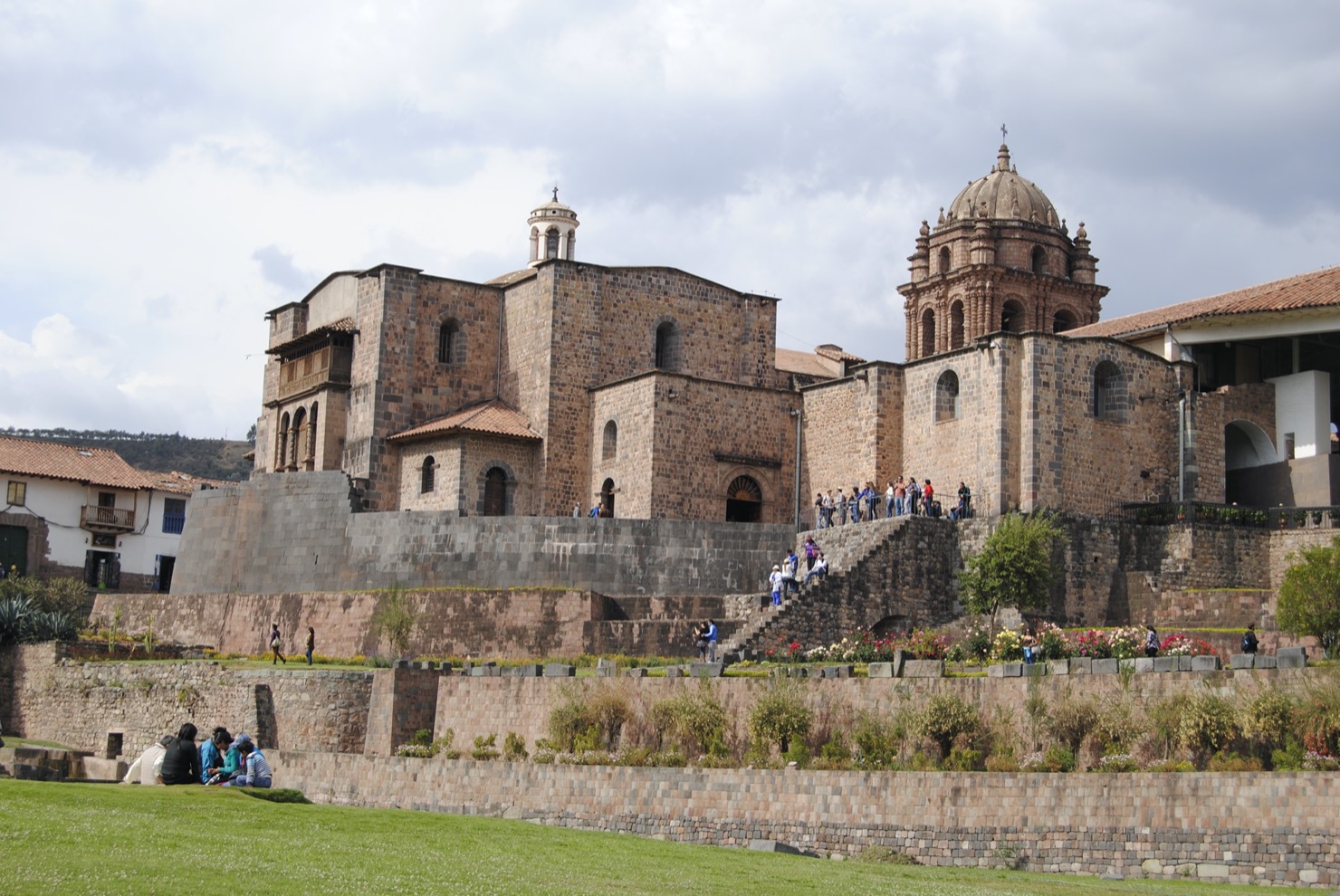
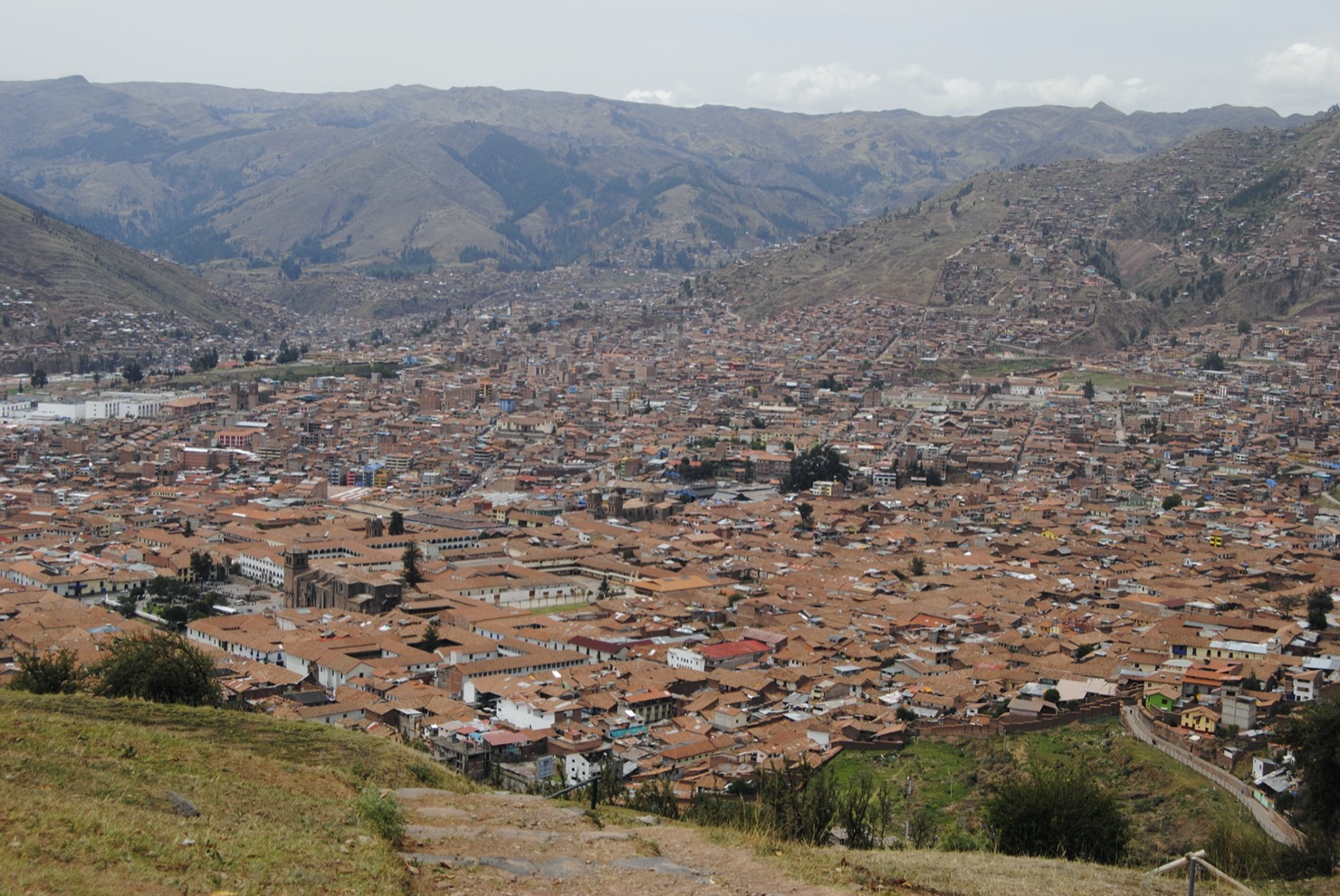
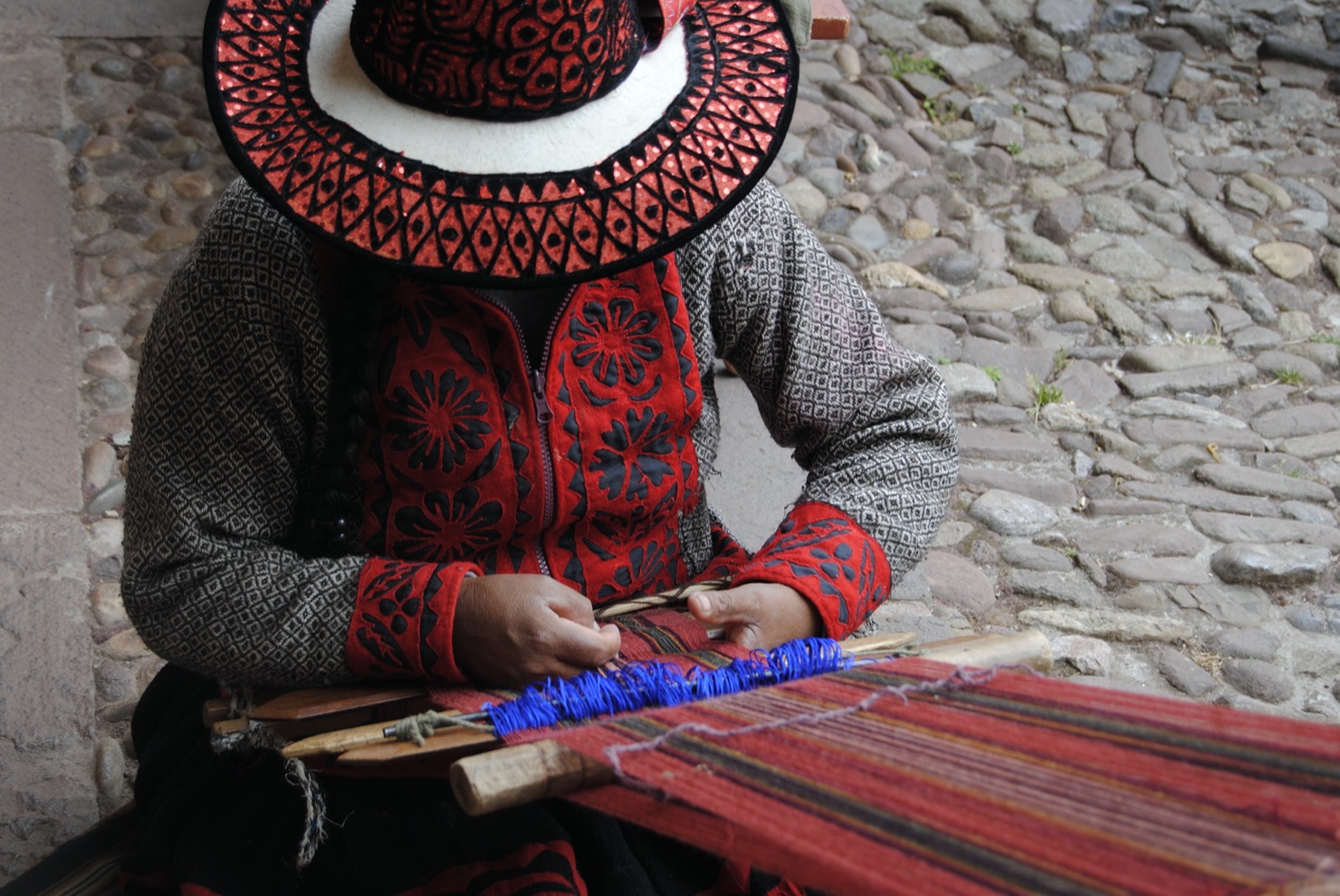
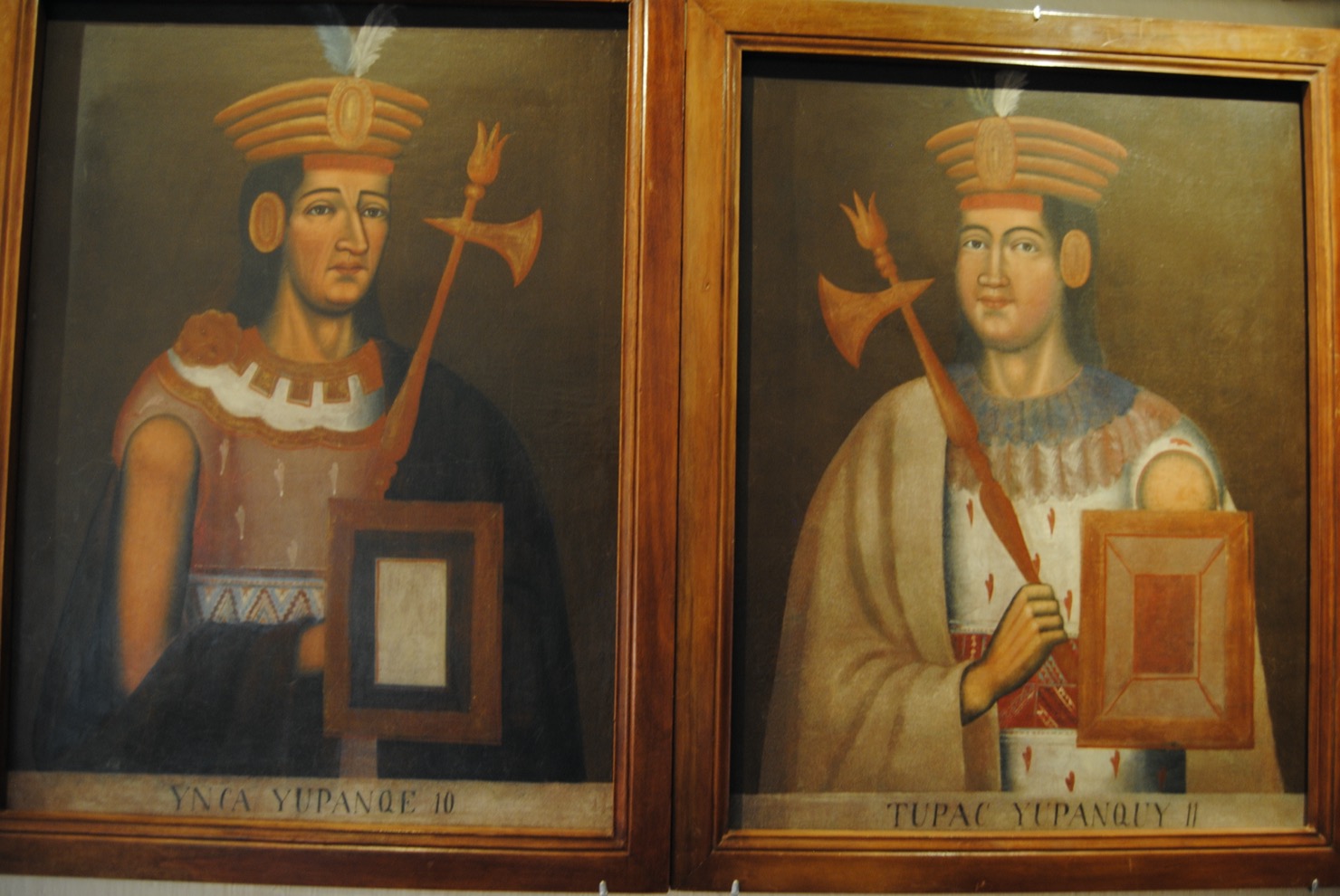
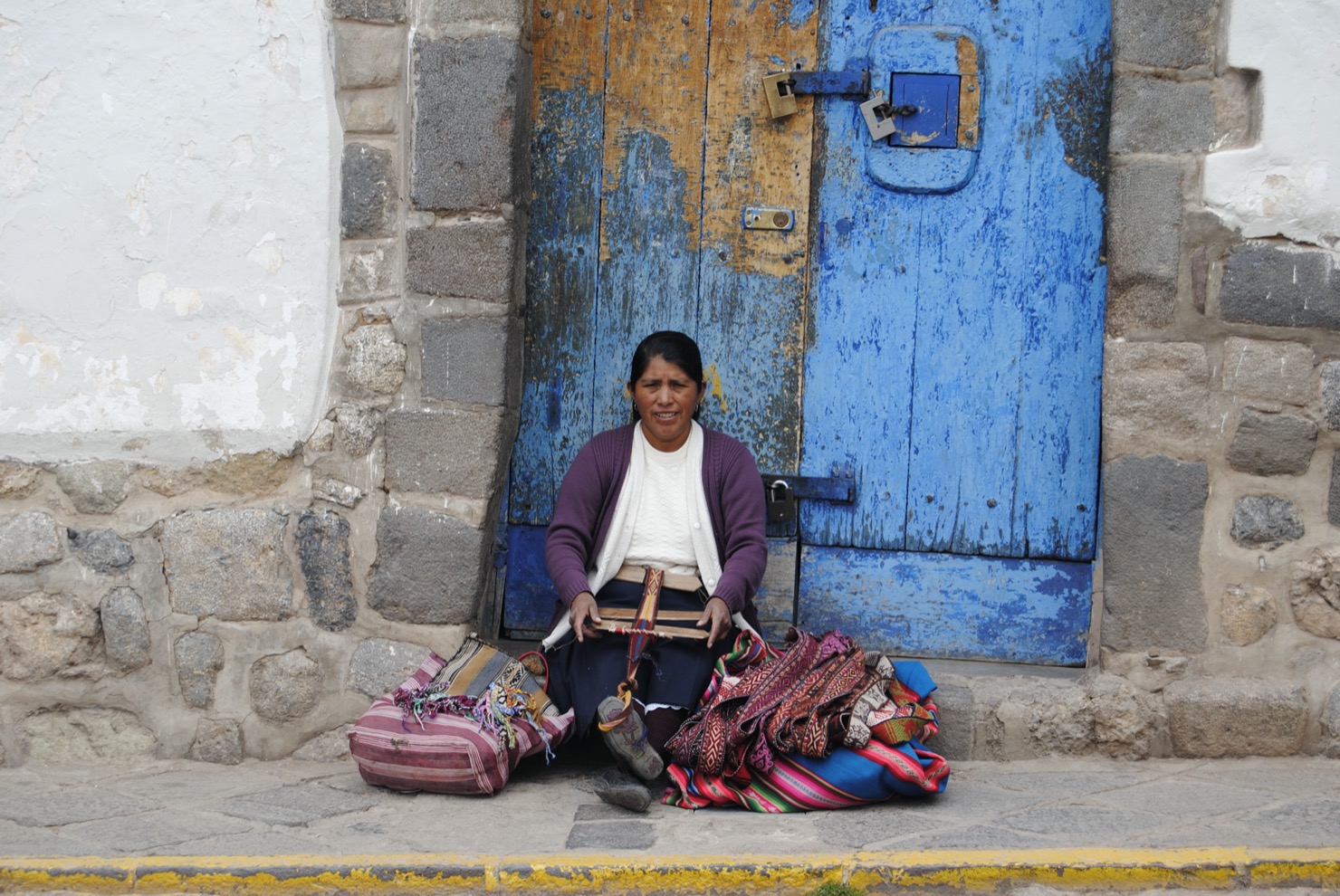
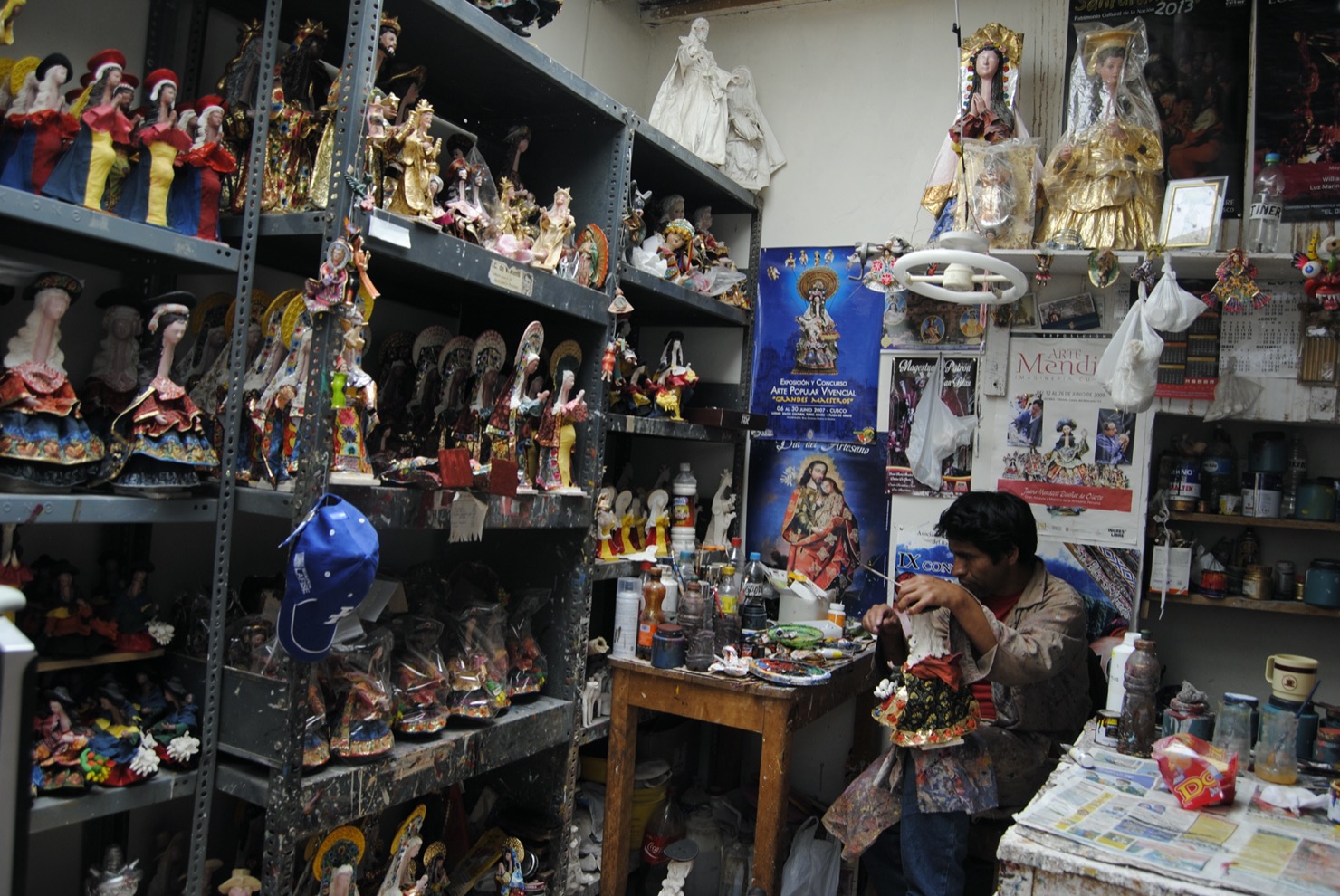
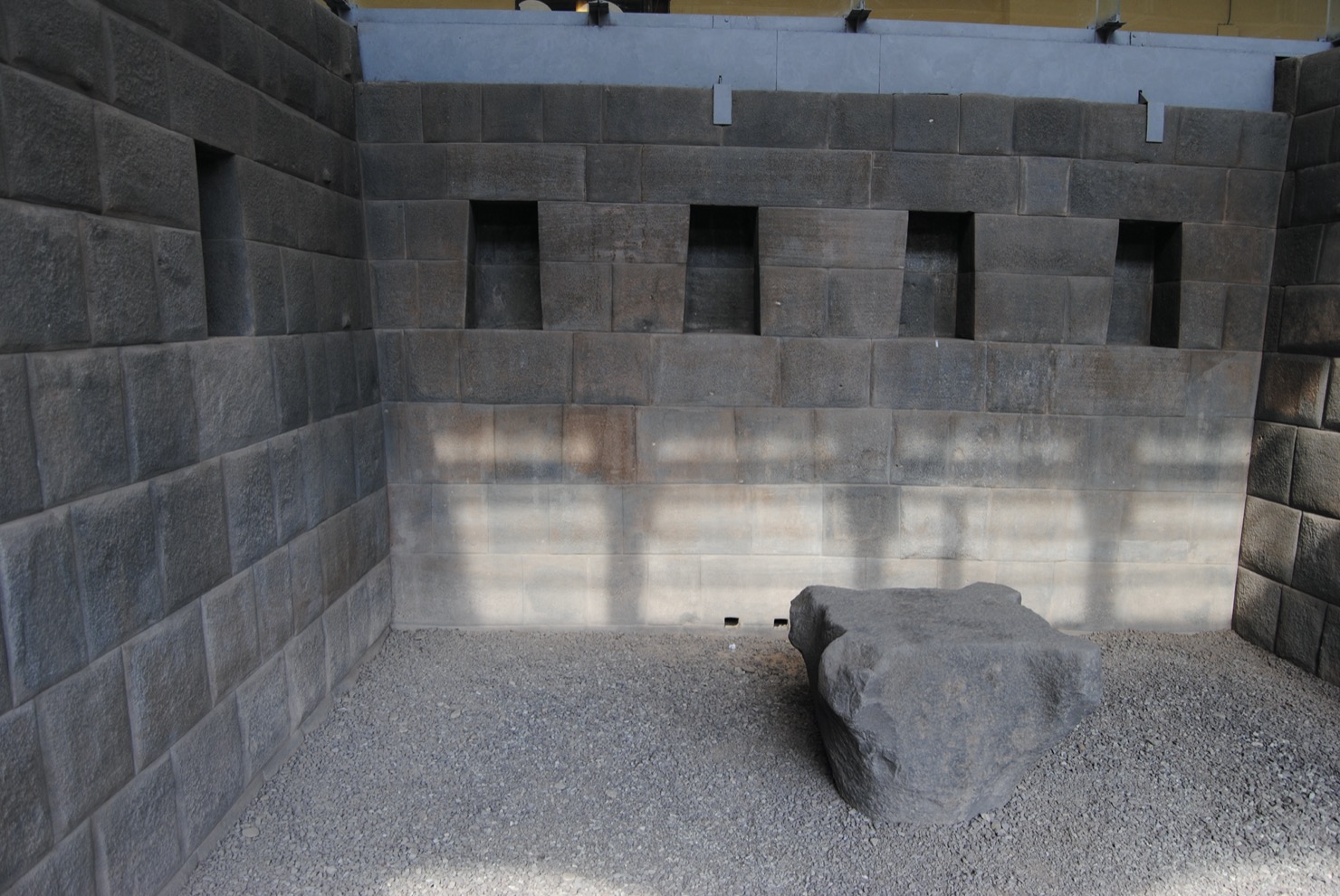
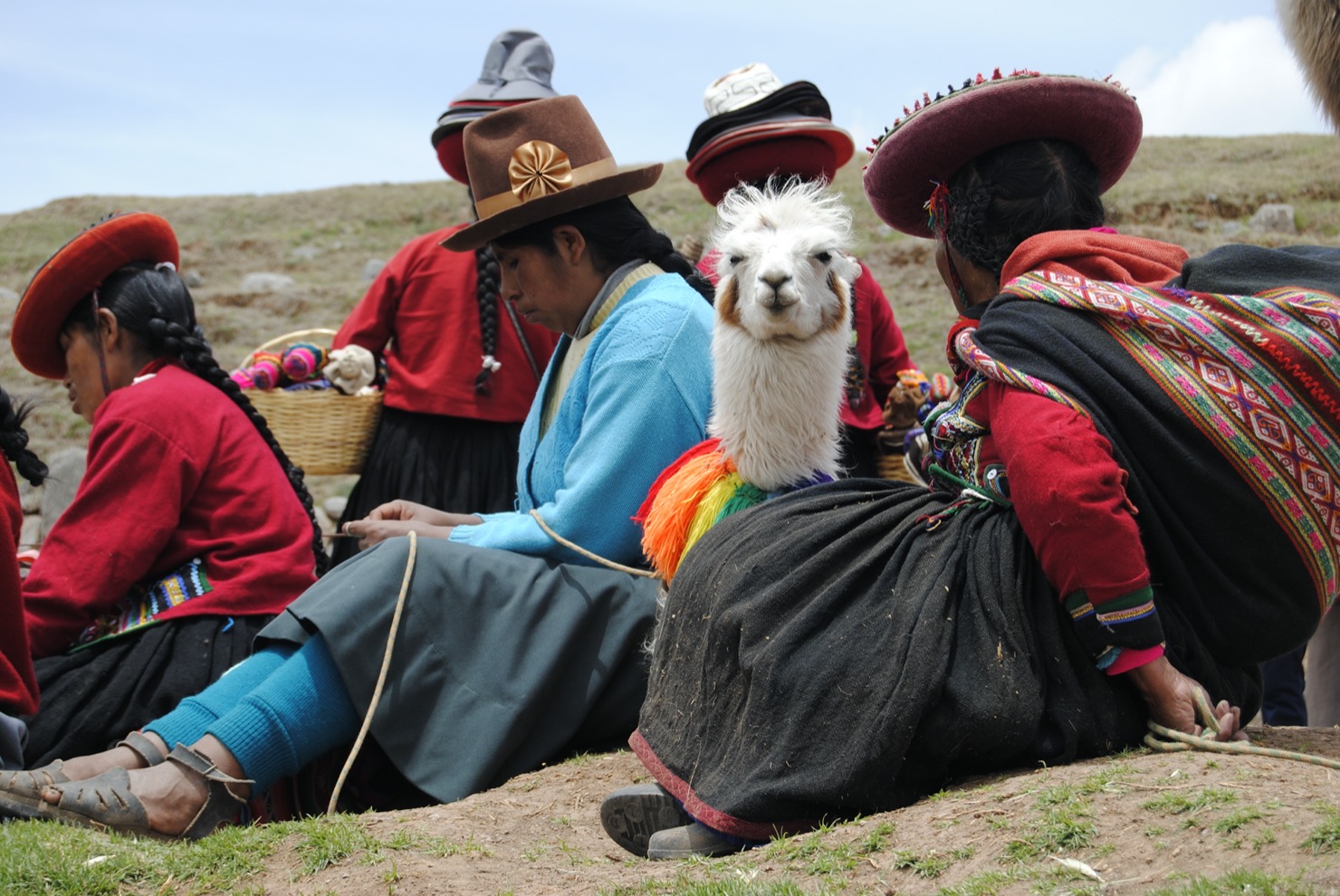
My third visit was to Cuzco, where I was invited to the FENACO Film Festival to present the documentary ”Oh God Dear God”. This is a historic capital of the Inca Empire. When I arrived, immediately I got the “Sorche” – the altitude sickness. Just after landing in Cuzco which is 3600 meters above see level I started feeling dizzy. I had to breathe very deeply to oxygenate my lungs. I felt like I was in a bag under water. Each move was very slow. In the taxi the driver told me that my hotel was higher up, so we drove up the hill.. Then I started to see black spots and my hands and legs went numb. After the arrival at the reception the owner of the hotel offered me a mate de coca to drink and said that he could provide oxygen for me if I wanted. The mate de coca was enough to collect my energy and climb on the third floor where my room was. Getting there took me 40 minutes. When I lay down on the bed I thought that I would not to go out for the festival opening, but after resting and drinking even more mate de coca I recovered.
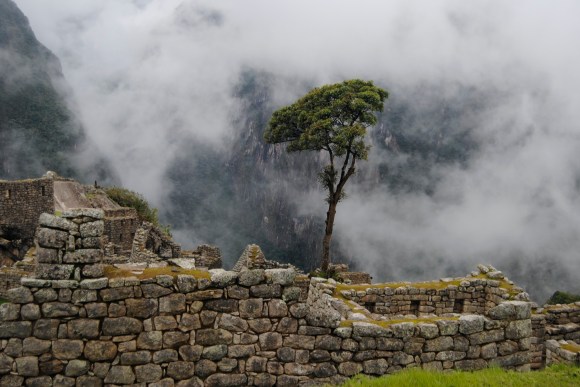
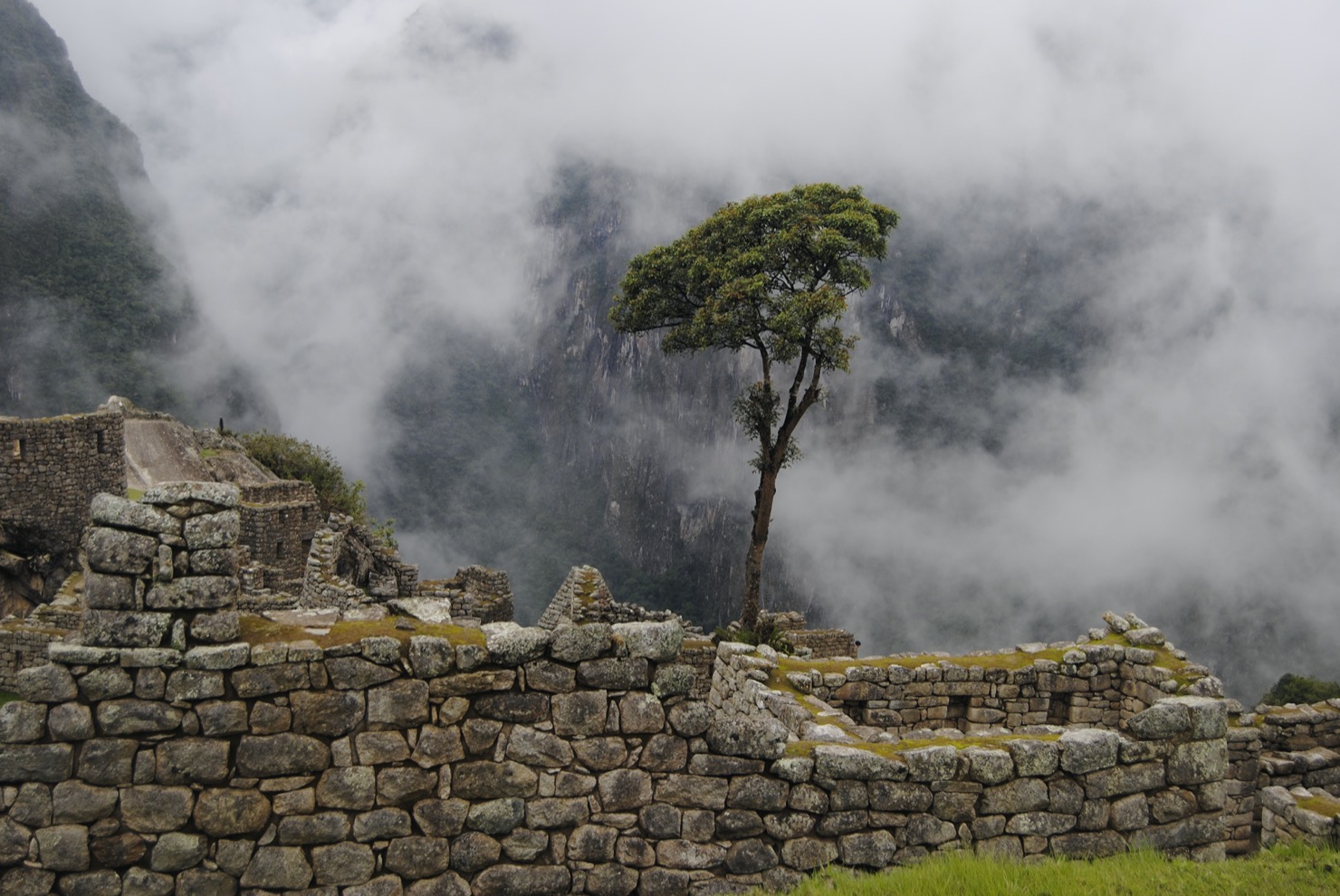
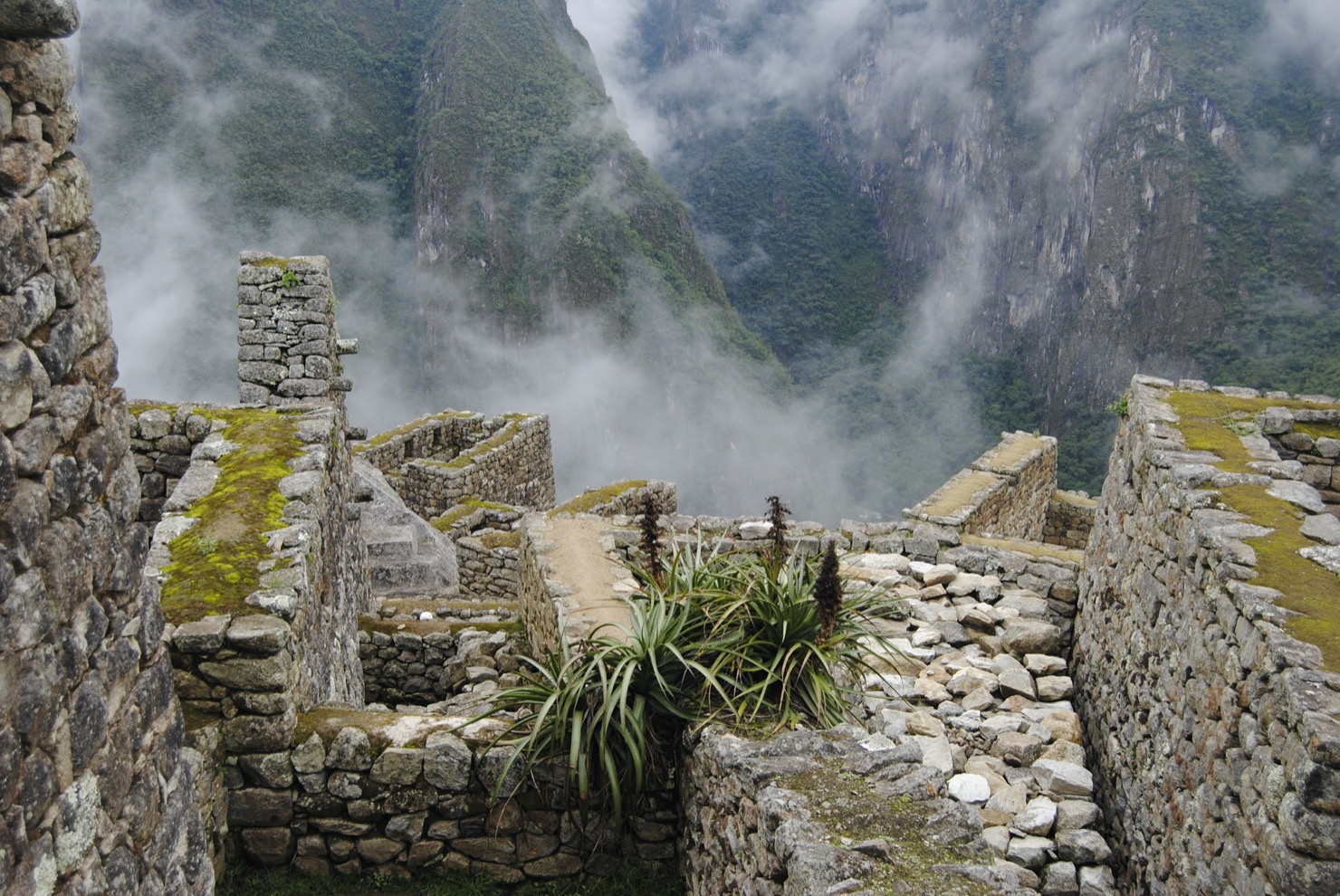
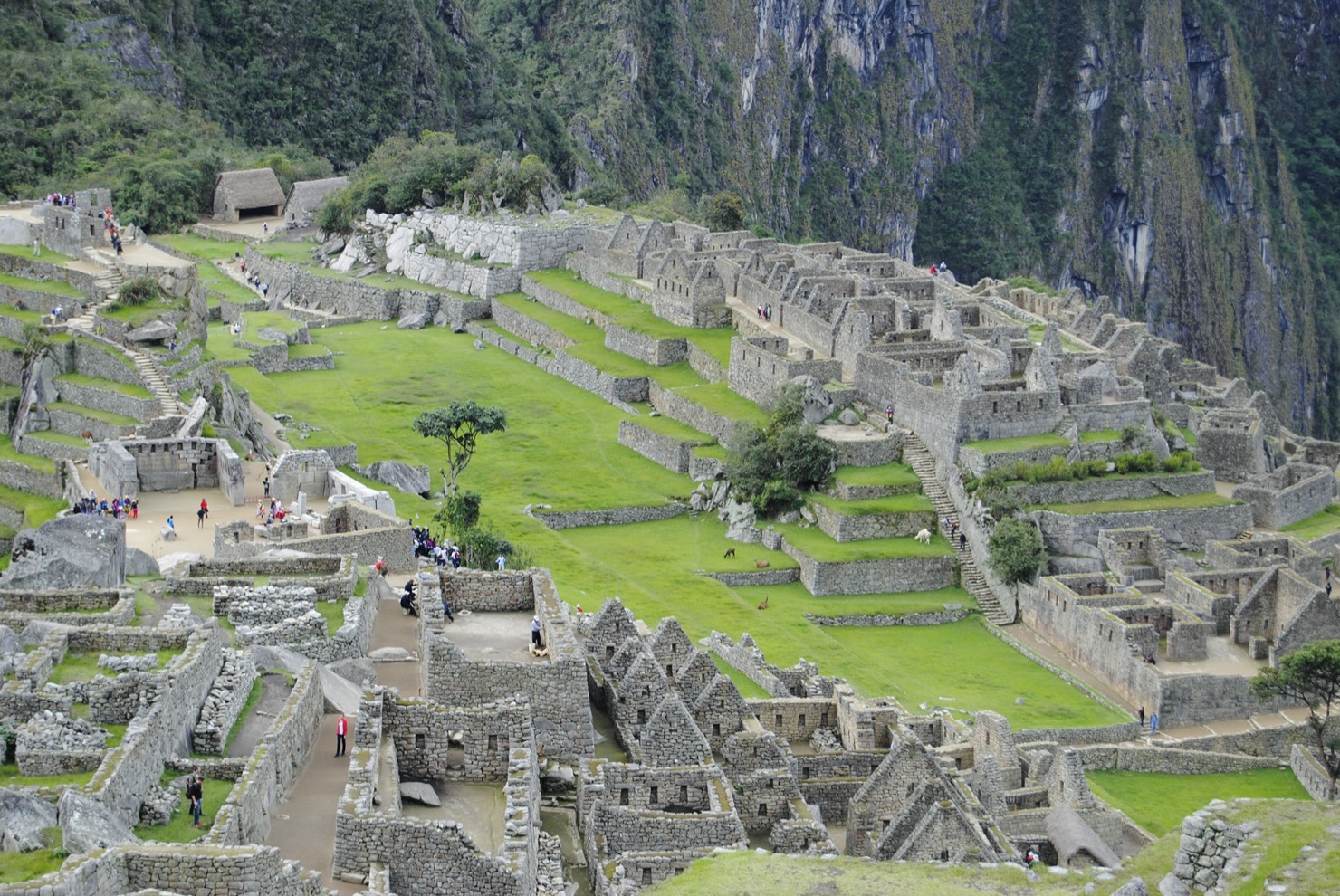
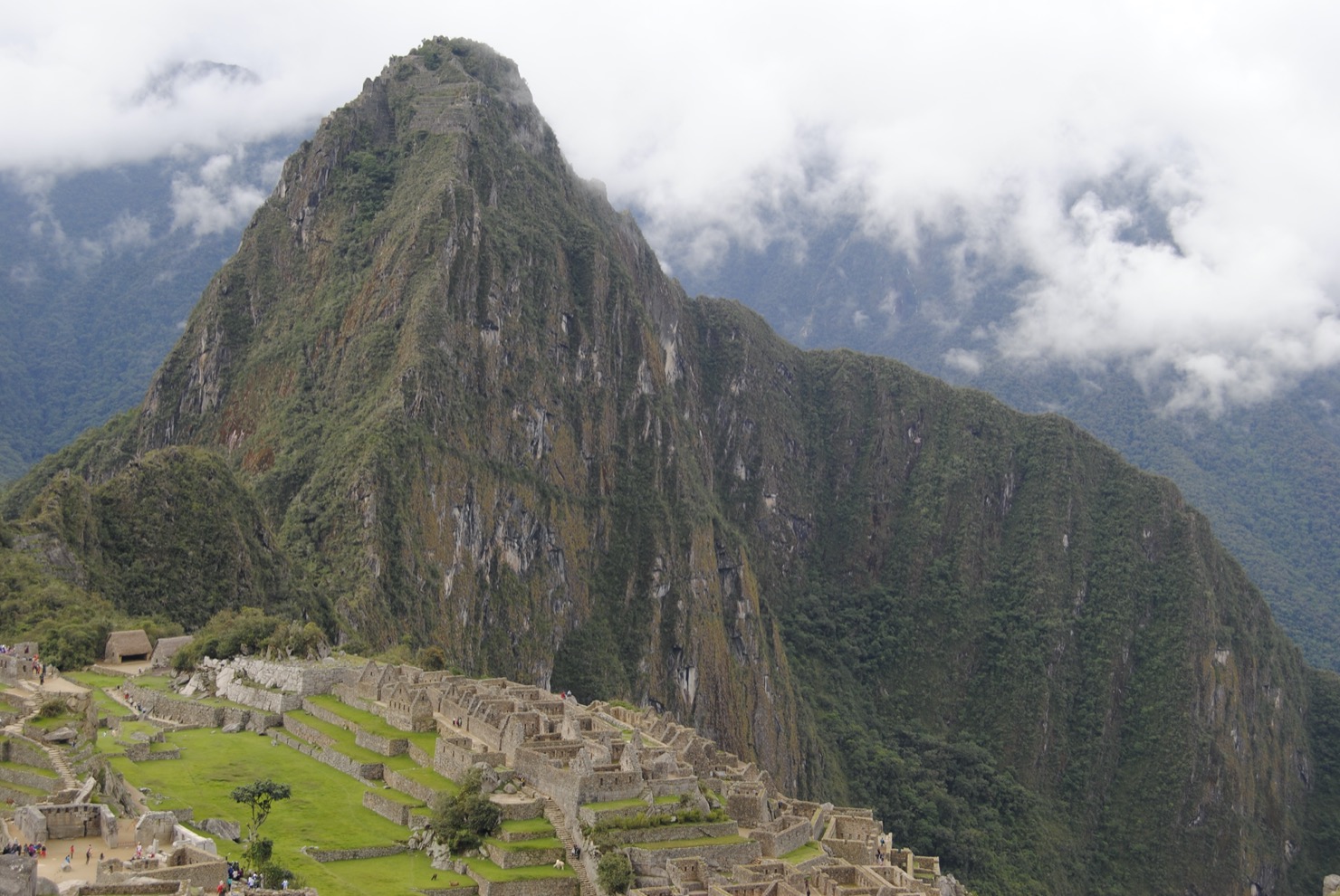
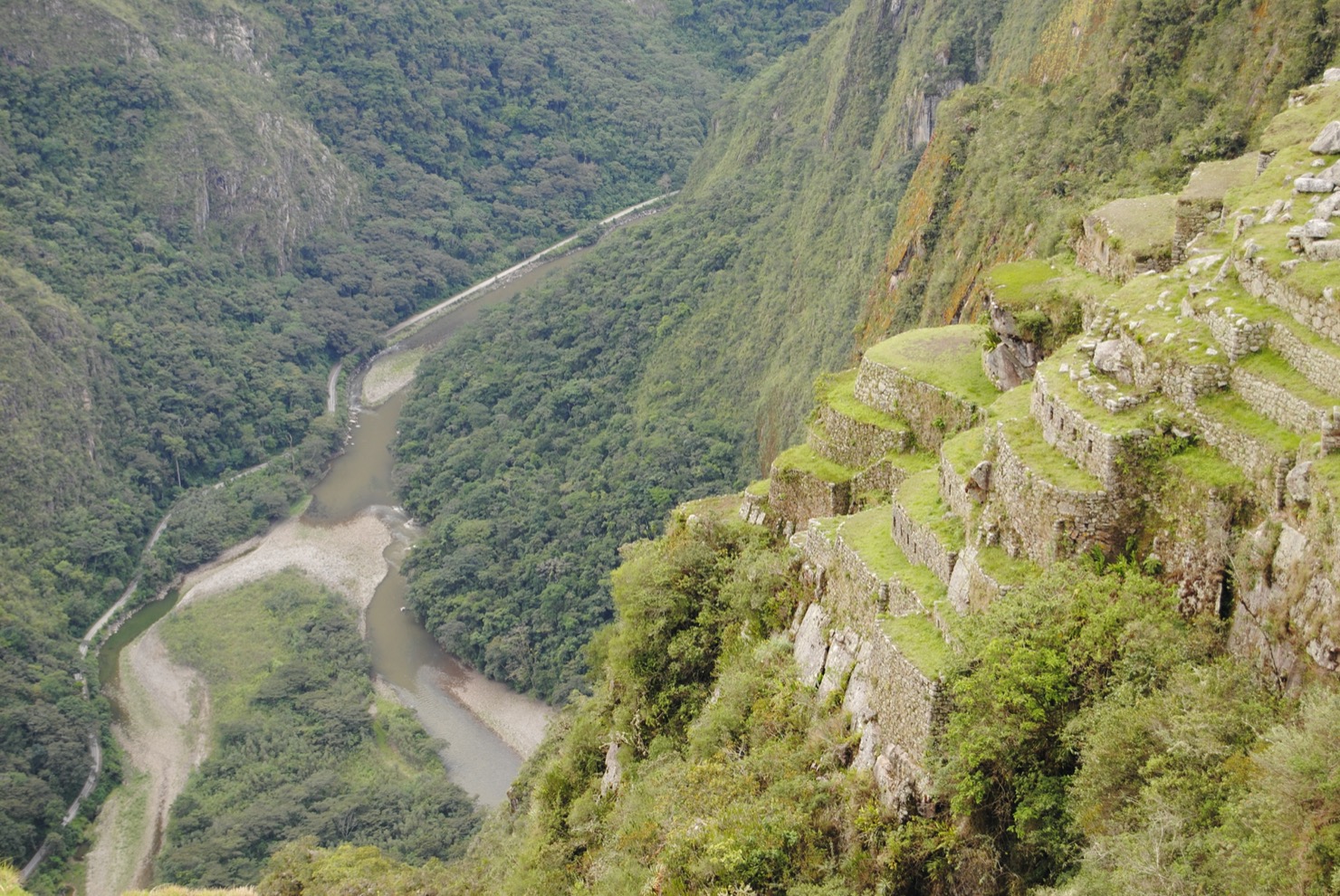
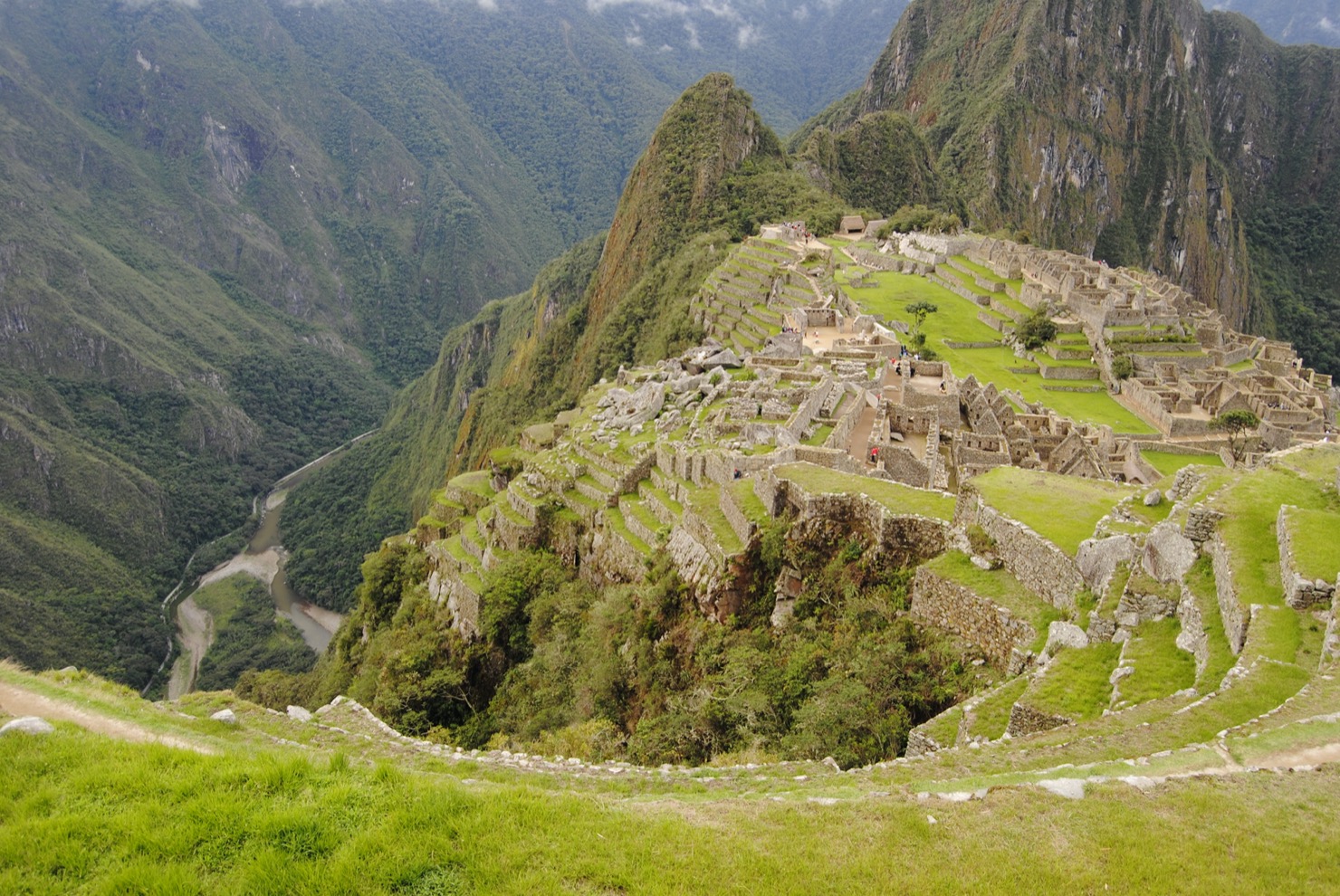
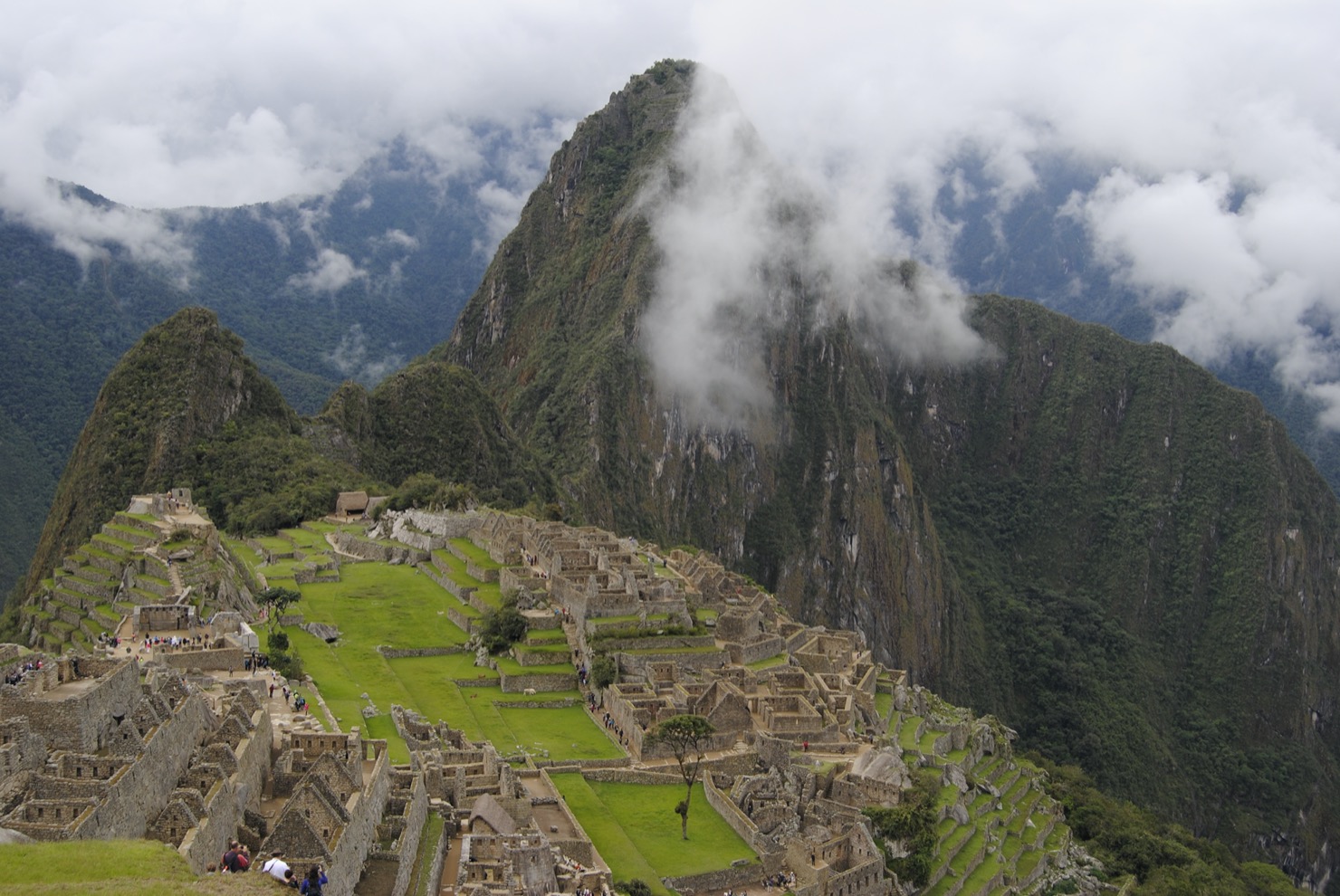
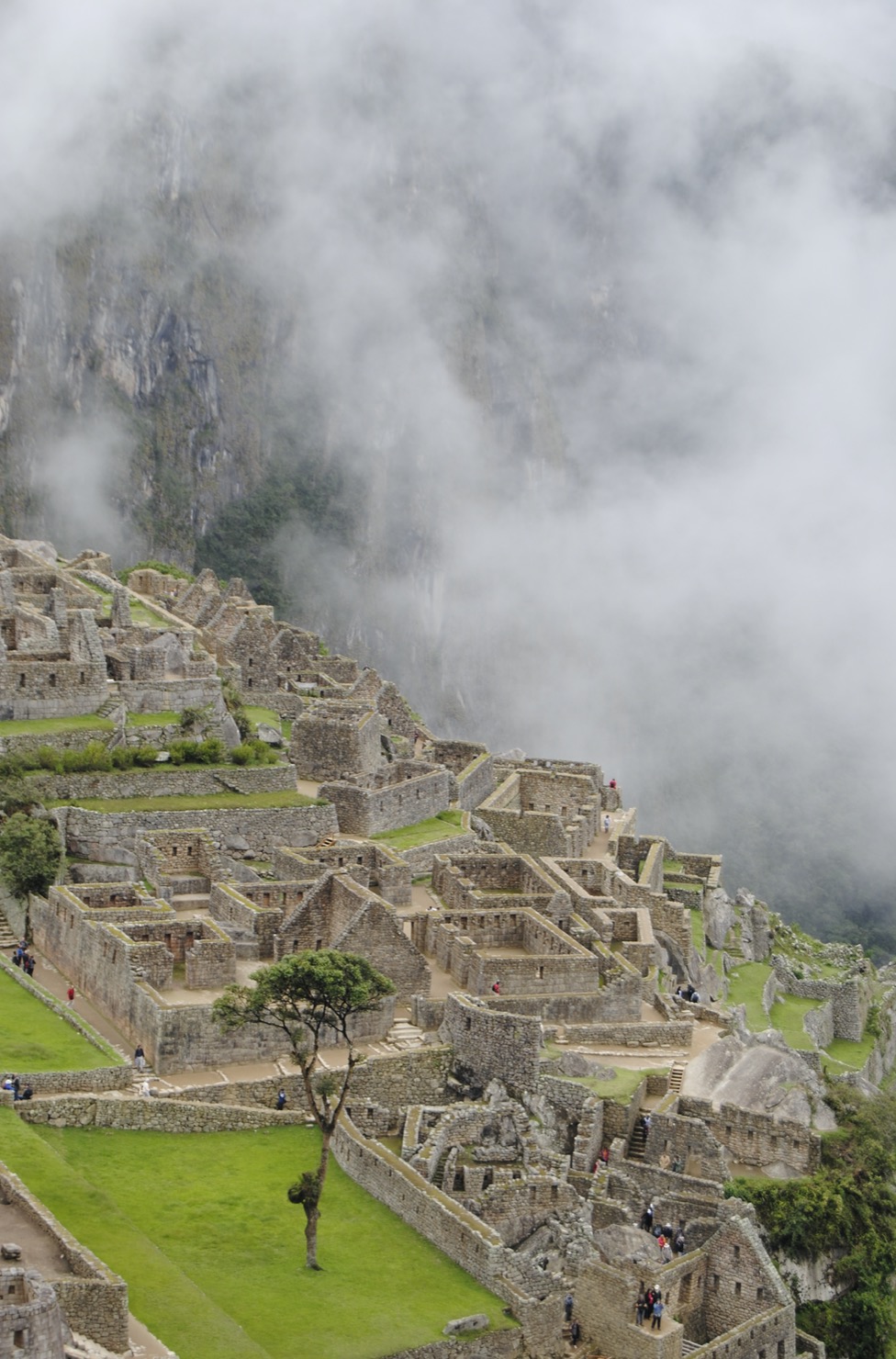
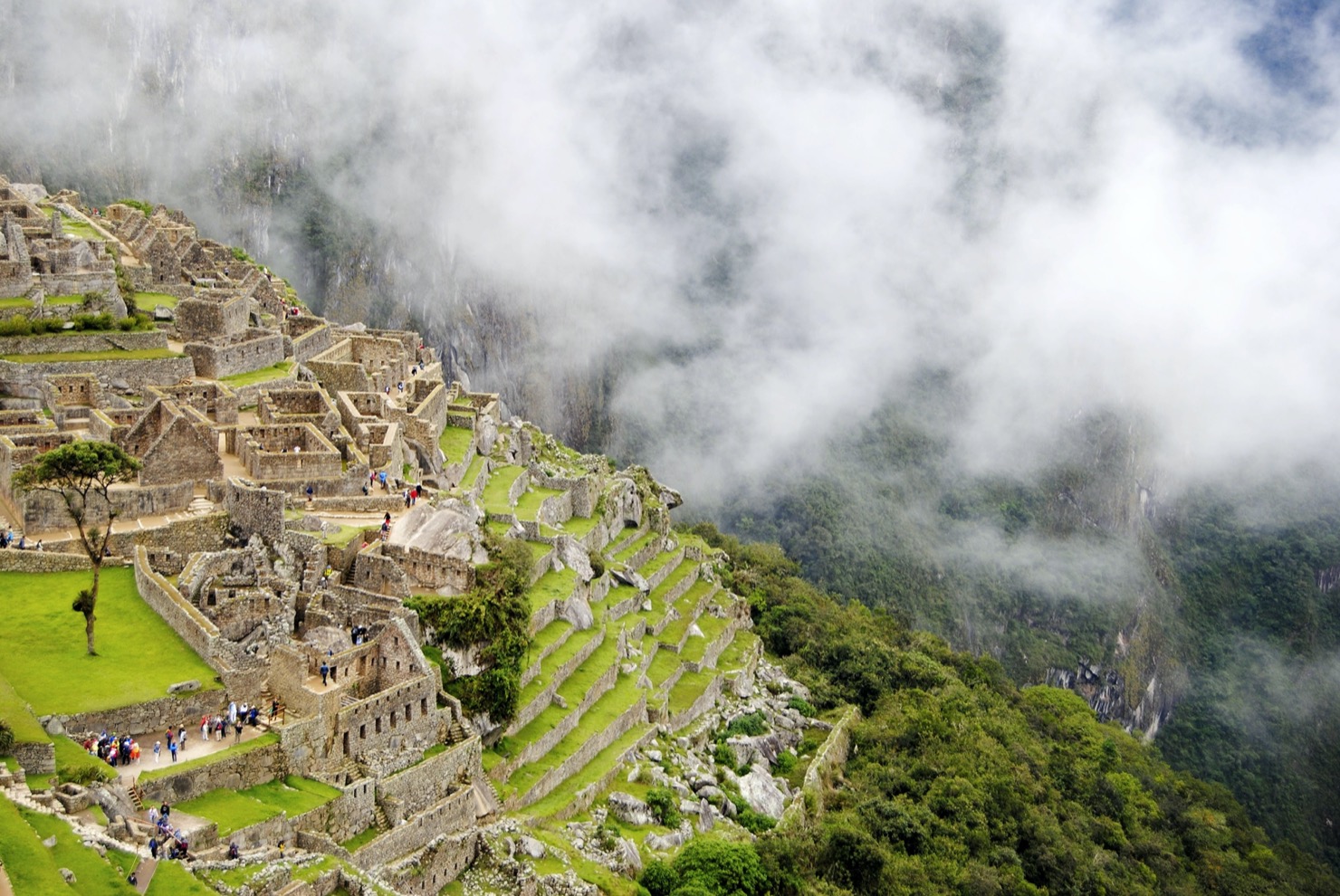
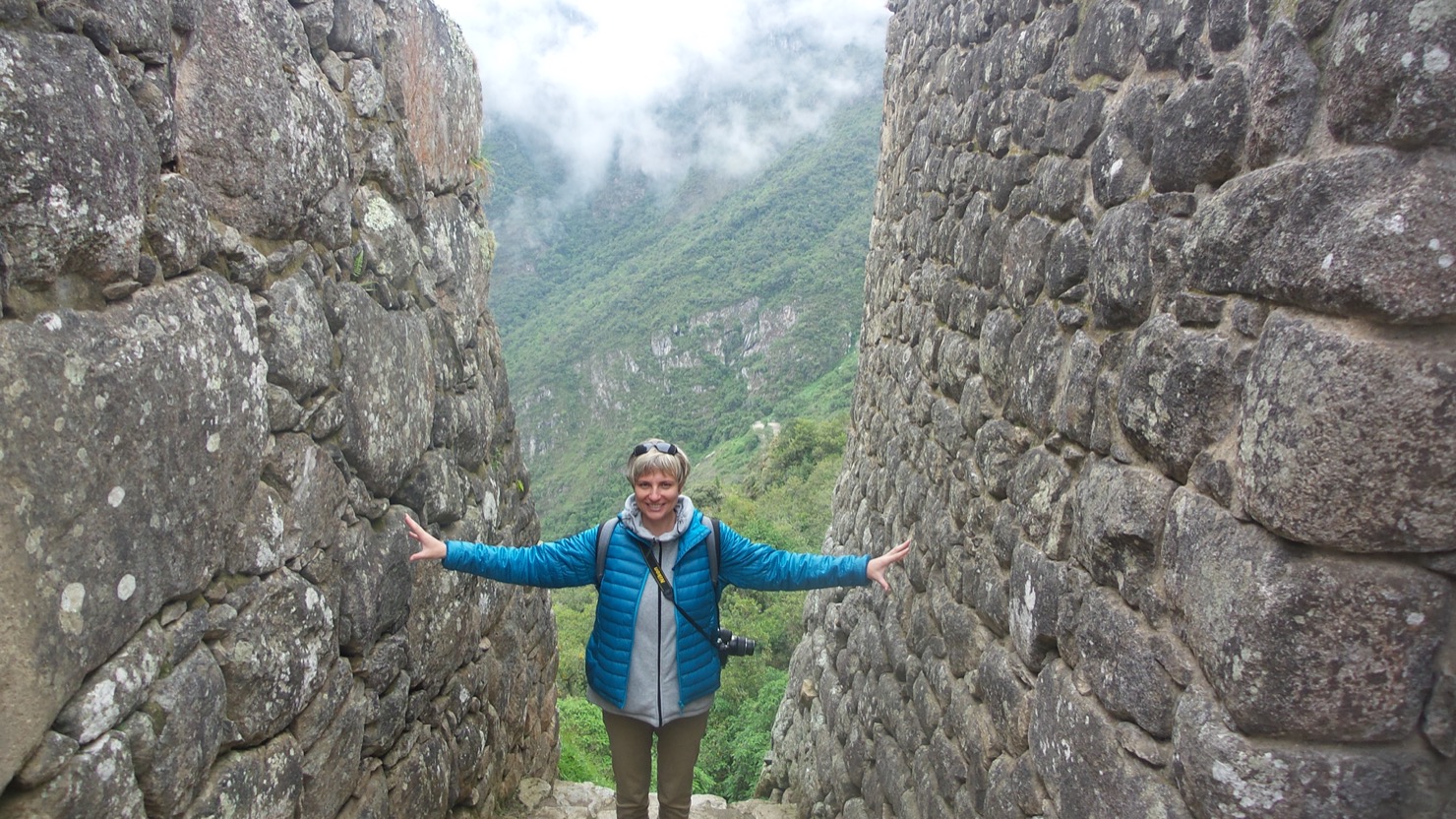
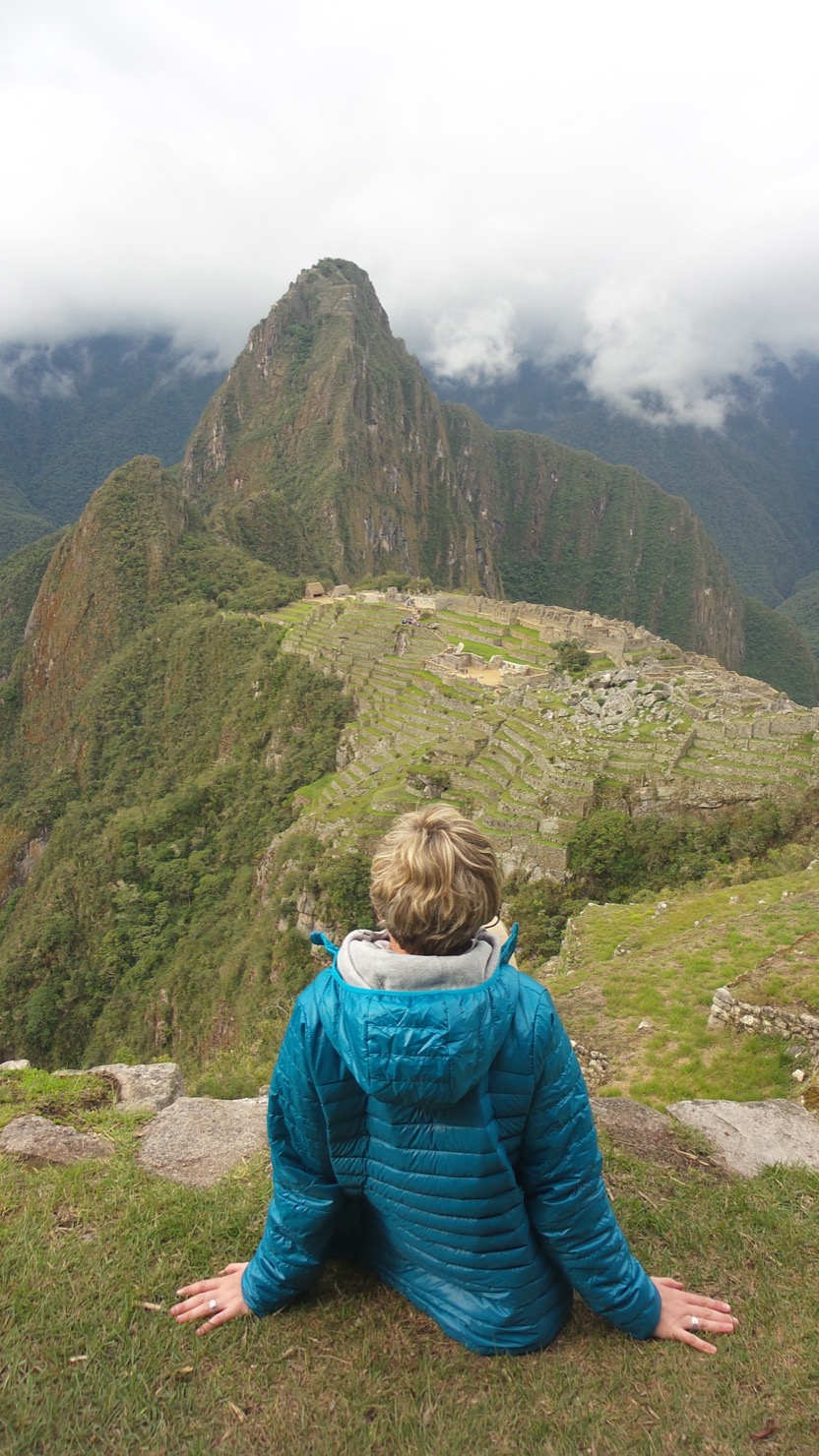
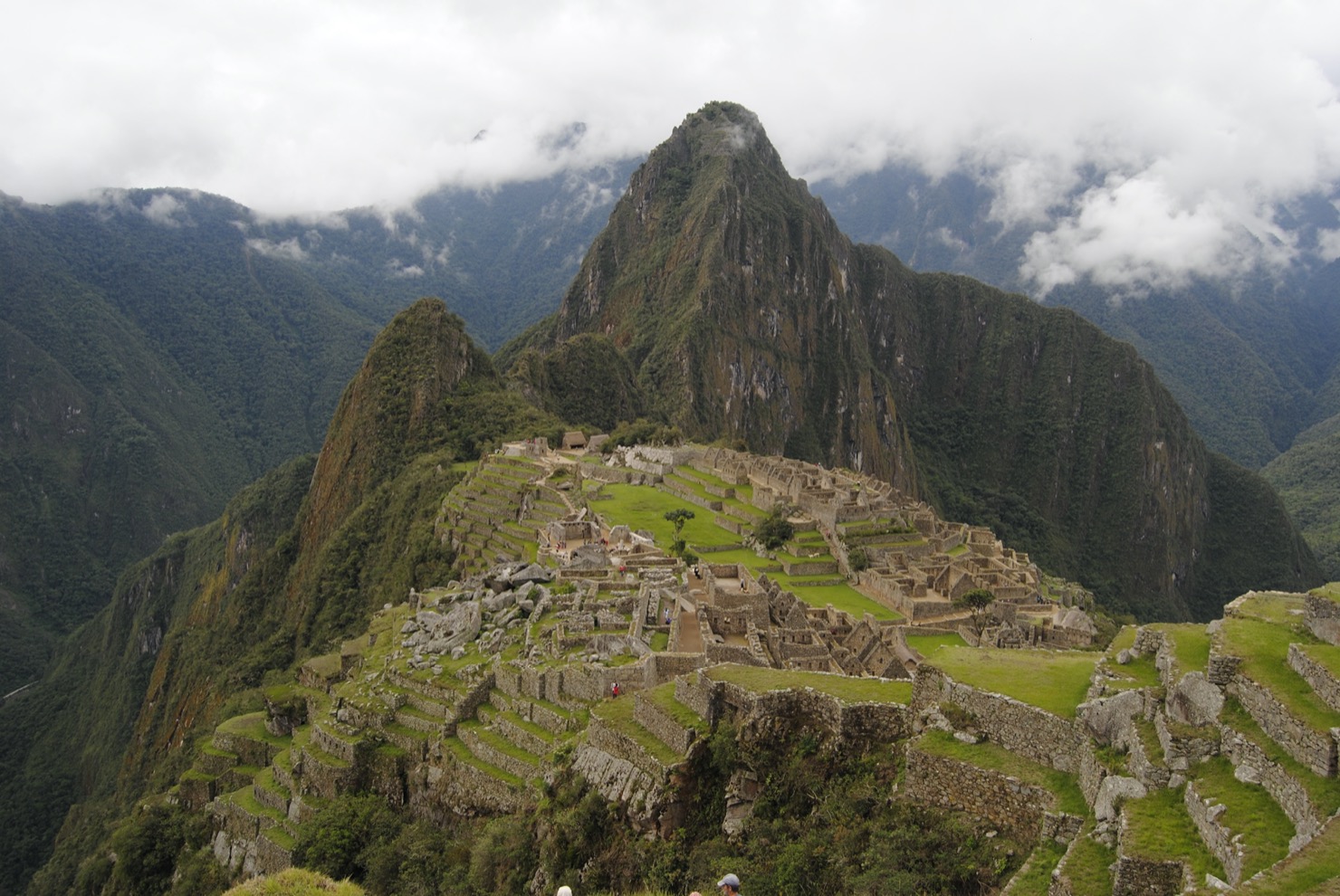
Visiting Machu Picchu was a great relief from the altitude sickness, because it is situated 1000 meters lower than Cuzco. The Incas built the estate around 1450, but abandoned it a century later at the time of the Spanish Conquest. Even though Machu Picchu was located only about 80 kilometres from the Inca capital in Cuzco. The Spanish never found it and so did not plunder or destroy it, as they did many other sites.
Going there by train I was suspecting that I was going to visit a tourist and an overrated place. Machu Picchu was built in the classical Inca style, with polished dry stone walls and terraces used for farming. It is surrounded by the mountains covered with jungle flora. Standing in front of Machu Picchu in total delight I knew that I was looking at one of the most beautiful examples of ancient landscape architecture in the world.


 Julia Popławska
You must be logged in to post a comment.